Celtic Wolf Symbolism in Warriors’ Tales

Across the Celtic world, few animals capture the imagination like the wolf. It moves with power, intelligence, and loyalty. In Celtic warriors’ tales, the wolf becomes more than an animal. It transforms into a symbol of courage, kinship, and the deep bond between humans and the wild.
This article explores the wolf’s fierce role in mythology, storytelling, and the warrior identity that shaped Scotland and Ireland.
Why the Wolf Held Such Power in Celtic Imagination
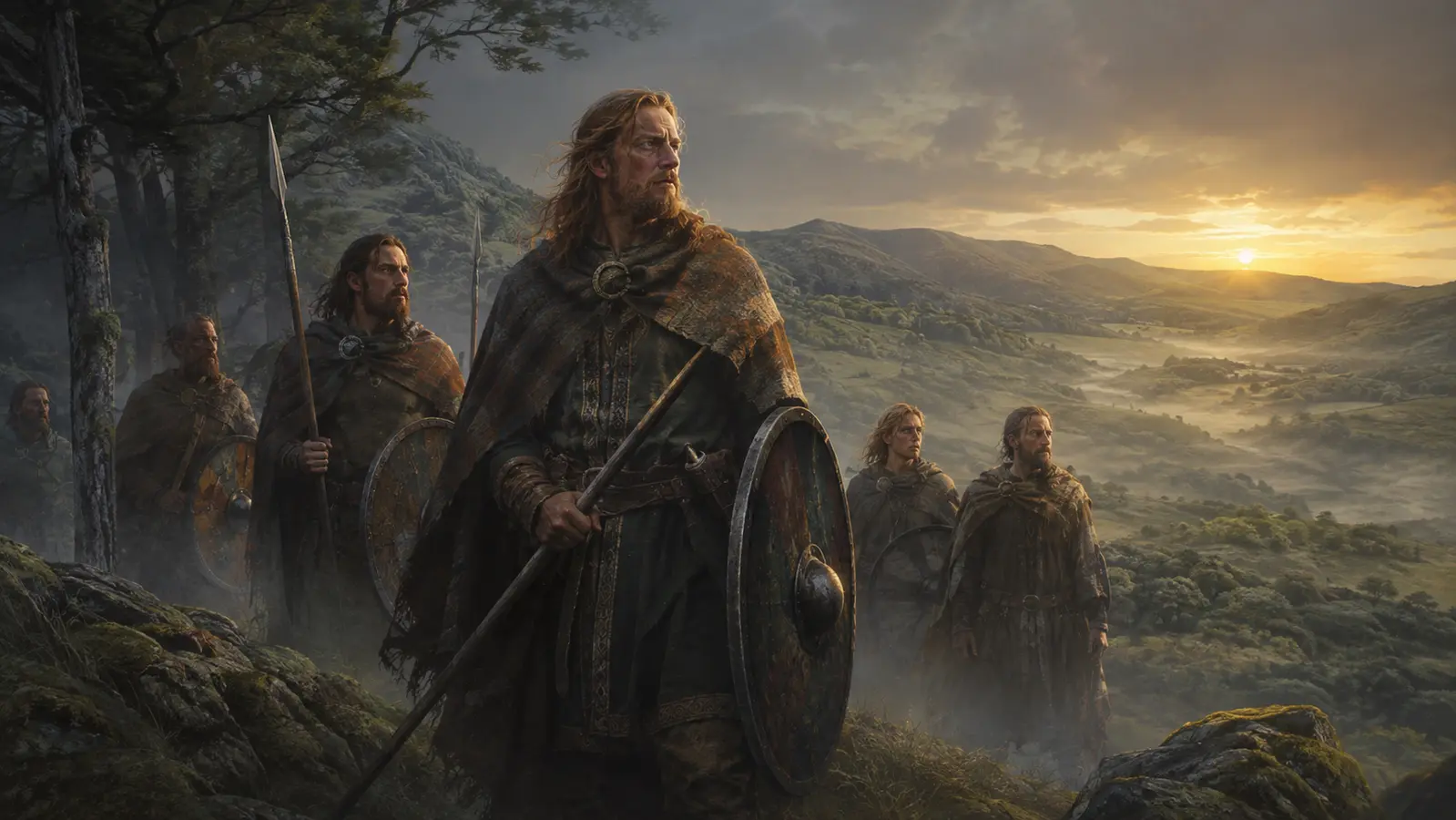
The Celts looked at the natural world with curiosity and respect. They understood the cycles of the forest and saw the wolf as a companion to warriors. The wolf hunted with strategy, defended its pack, and moved through the landscape with calm confidence. Warriors admired these traits and often compared their fighting style to that of a wolf pack.
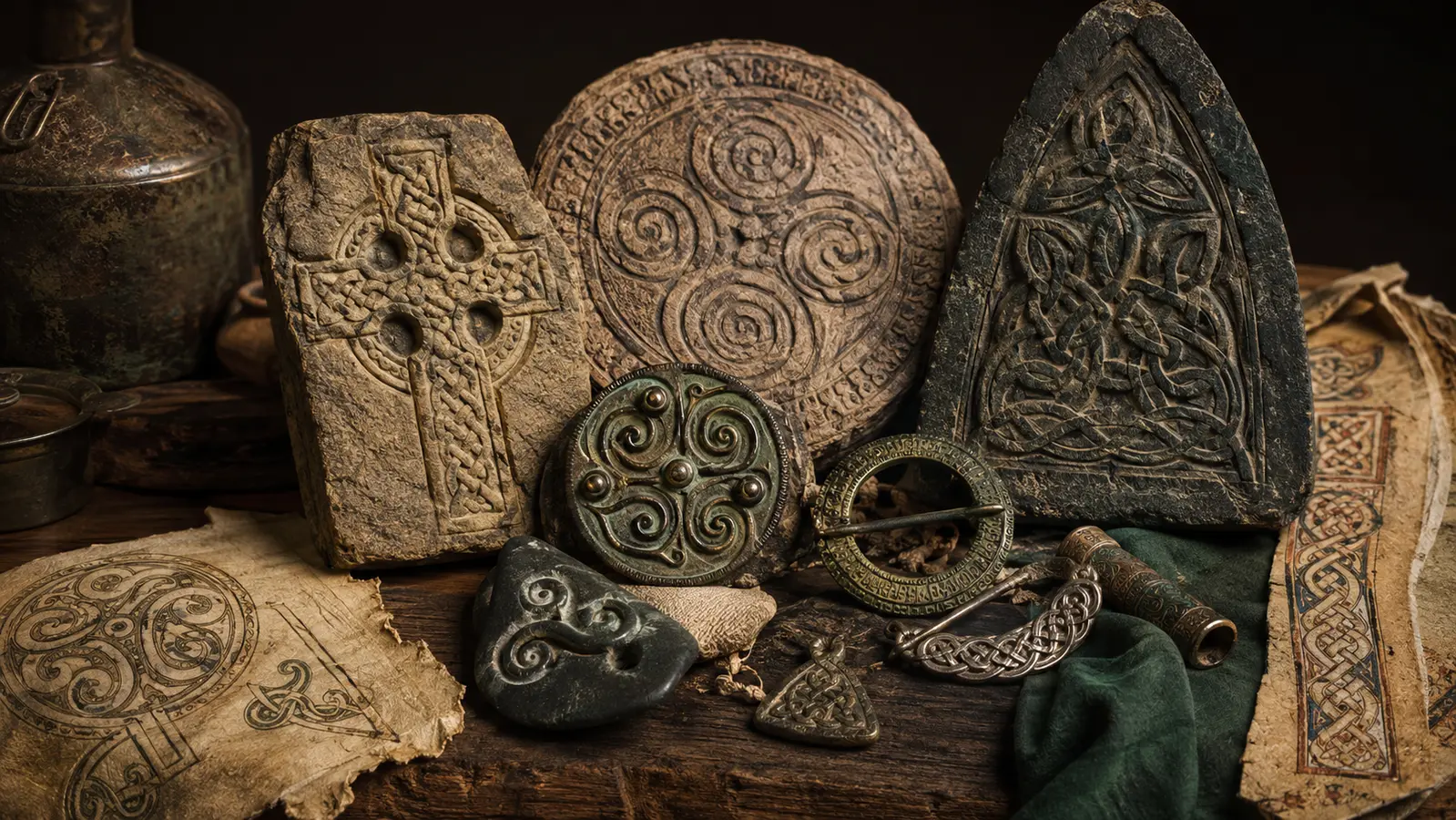
Celtic stonework supports this view, as many carvings show wolves near hunters or heroic figures. For more insight into these artistic expressions, you can explore our guide on Celtic stone carvings.
The Wolf in Celtic Myths and Early Tales
In Irish and Scottish mythology, wolves appear often as guides, protectors, or symbolic doubles of powerful leaders. Some warriors took wolf epithets to express their fearlessness. Stories describe heroes raised by wolves or protected by them during moments of transformation.
This ties beautifully with Celtic storytelling traditions. If you enjoy exploring how stories shape identity, you may find our article on why Irish people are natural storytellers interesting.
The wolf’s presence in myth symbolises:
- Instinct guided by wisdom
- Loyalty to kin and clan
- Courage in battle
- Balance between wildness and discipline
These qualities shaped the reputation of warriors who invoked the wolf as their emblem.
Wolf Companionship and Warrior Identity
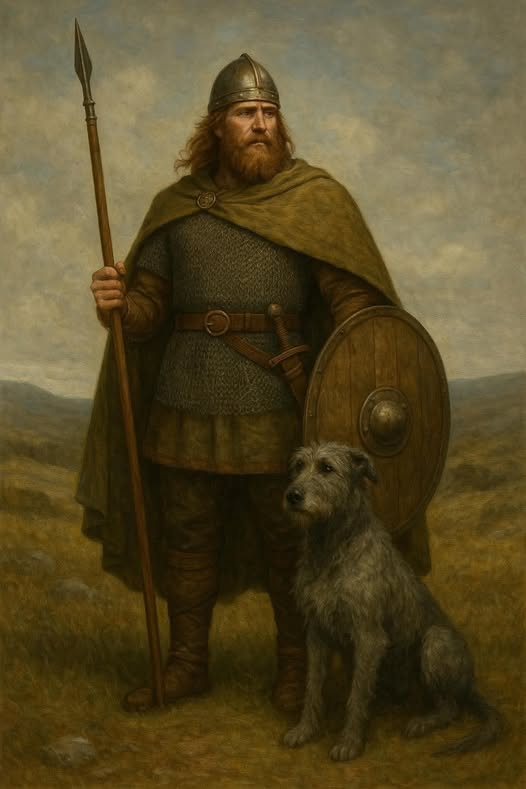
Celtic warriors valued community, much like wolves value their pack. Strength came from unity, not just individual excellence. Young fighters learned that courage means protecting something greater than oneself.
This idea echoes through many Celtic traditions. Even music carried warrior values, especially rhythm-led forms like the bodhrán drum, which set the pace for group movement and collective energy. Wolves hunt in coordinated rhythm, and warriors fought the same way.
Some warriors entered battle wearing wolf skins or adopting wolf-like movements. The goal was not to imitate the animal but to reflect its discipline and awareness.
The Wolf as a Guide Between Worlds
Like many animals in Celtic cosmology, the wolf also acted as a boundary figure. It stood between the human realm and the world of spirits. This theme appears often across Celtic mythology, such as in stories explored in our guide to Annwn, the Otherworld.
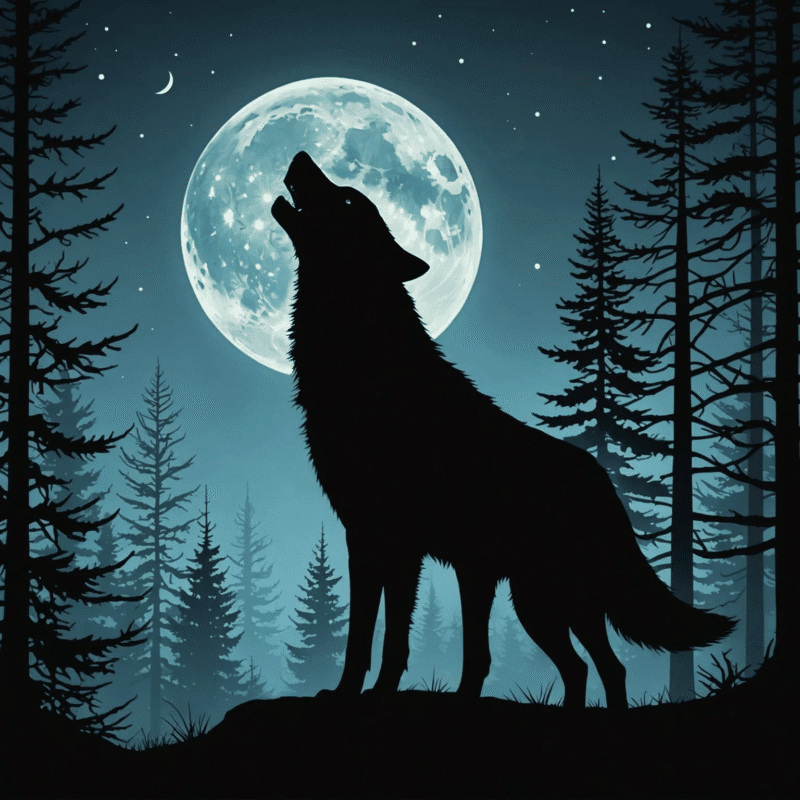
In tales where warriors faced death, exile, or spiritual crises, wolves often guided them through forests, mountains, or dream-like journeys. The wolf became a symbol of transition, clearing fear and revealing the path forward.
The Wolf and the Clan System
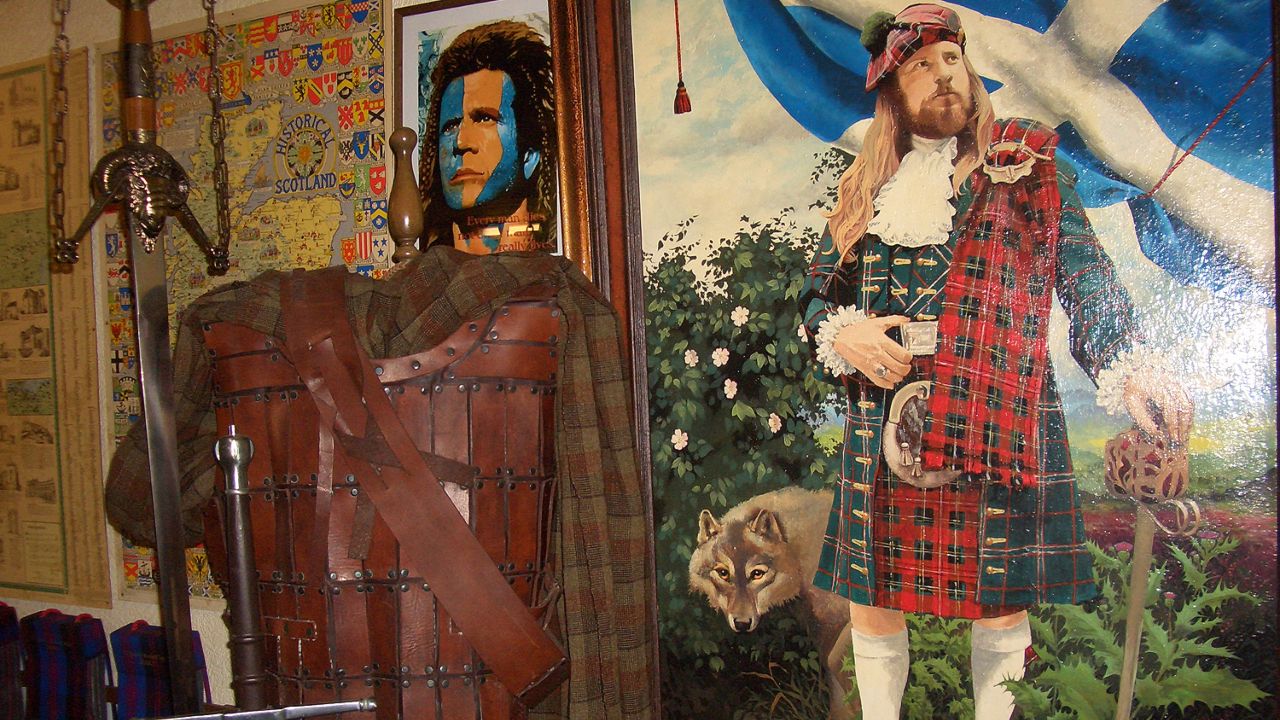
As clans took shape in Scotland, each one valued traits such as loyalty, bravery, and unity. These values mirror wolf behaviour. That may explain why some clan stories highlight wolves as omens or protectors. If clan structure interests you, explore our guide on how many Scottish clans exist.
Warriors often described their kin as a “pack,” and this language shaped cultural identity.
The Wolf in Art, Music, and Oral Tradition
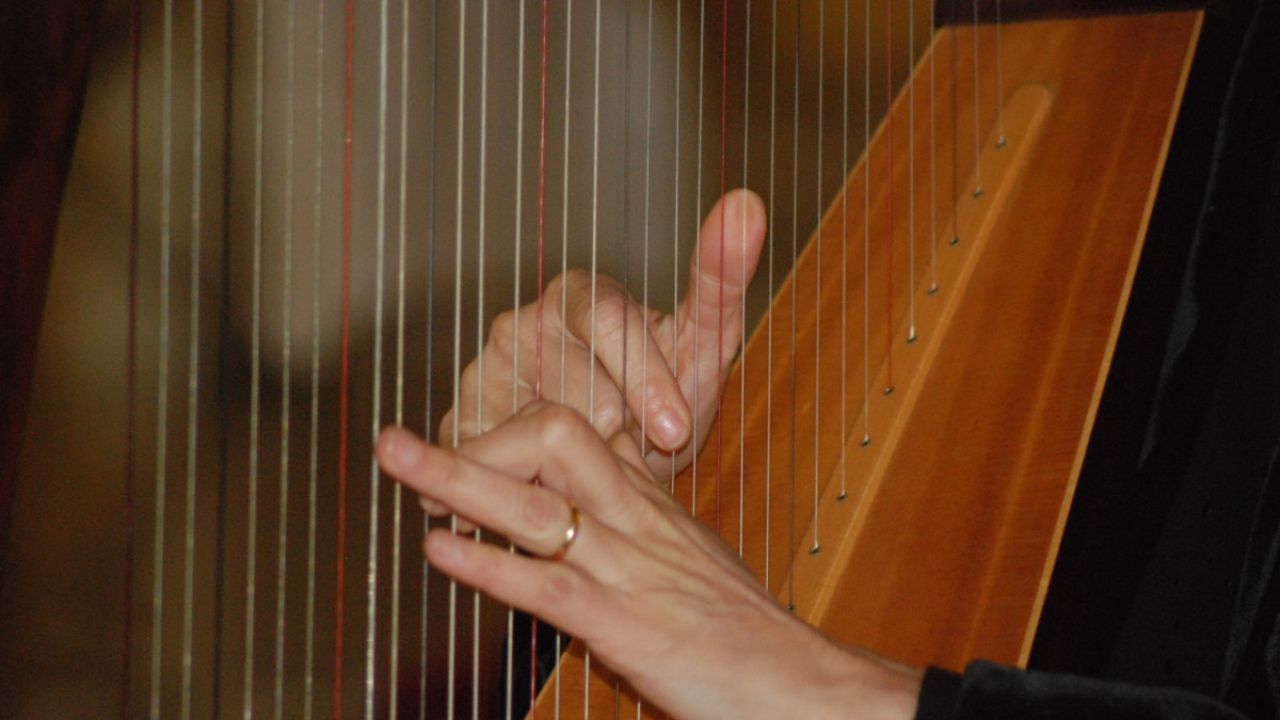
The wolf appears not only in battle tales but also in music, poetry, and even lullabies. It lives in the rhythm of traditional instruments, including the Clarsach harp, which features in many heroic narratives.
Oral tradition kept the wolf alive for centuries. Songs, chants, and proverbs preserved the wolf’s role in teaching courage and collective strength. You can explore more of that legacy in Gaelic proverbs, where animal wisdom often guides human behaviour.
What the Wolf Symbol Means Today
Modern readers see the Celtic wolf as a symbol of:
- Personal courage
- Protection of family and community
- Intuition and awareness
- A grounded, nature-rooted identity
Many people use wolf imagery as a reminder to stay loyal to their own values, just as warriors stayed loyal to their clans.
Final Thoughts
The Celtic wolf is more than a fierce creature from the forest. It reflects the warrior spirit, the bond between kin, and the harmony between humans and the natural world. Its stories guide us toward strength rooted in loyalty and wisdom.
For more Celtic tales and cultural insights, explore our full blog archive or our Mythology & Folklore category.