
The Legend of Sawney Bean: Myth, Fear, and History

Scottish folklore loves strong stories. Some entertain. Some warn. And some cling to the mind long after the fire dies down.
The legend of Sawney Bean belongs to this last category.
I first encountered the story as a graduate student digging into cultural fear in medieval Scotland. The deeper I looked, the more the legend felt like a mirror reflecting anxiety, survival, and the power of storytelling.
Let’s walk carefully into that cave.
Who Was Sawney Bean?
According to tradition, Sawney Bean grew tired of honest work. He left society and hid along the rugged Ayrshire coast with a partner who shared his taste for isolation and something far darker.
They carved out life in a coastal cave, hunted travelers, and robbed. And, worst of all, they turned to cannibalism. Over time, children arrived. Those children formed one of the most infamous “clans” in Scottish storytelling.
The family lived unseen. They ambushed travelers on lonely roads. They vanished back into the cliffs. Locals whispered about disappearances. Fear spread faster than truth.
And that fear mattered more than anything.
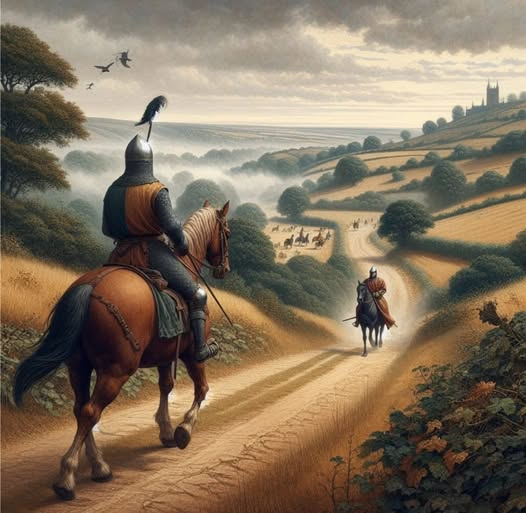
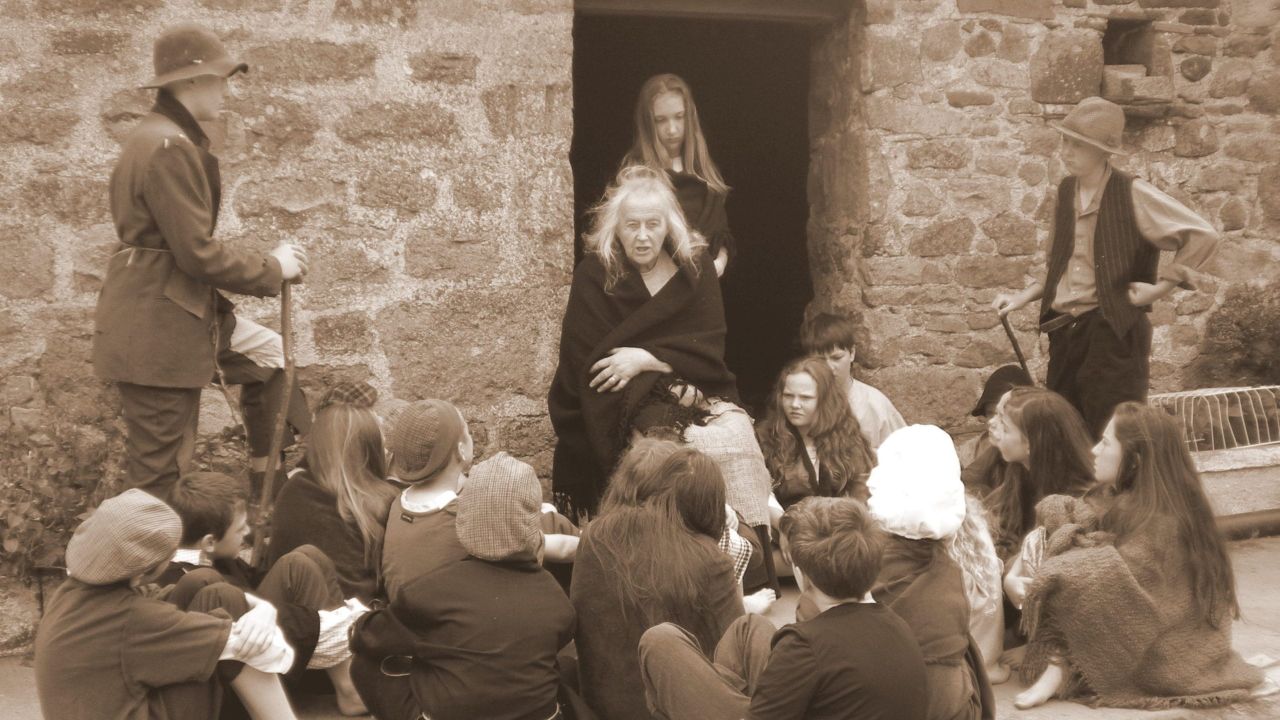
Stories bind communities just as much as tartan, music, or ritual.
See, Why Are Irish People Natural Storytellers (https://celtguide.com/why-are-irish-people-natural-storytellers/).
How Did the Legend End?
Eventually, a survivor escaped an attack. Authorities searched the coastline. Soldiers discovered the cave. Inside, they found remains, grim trophies from decades of violence.
The entire Bean clan faced justice. The punishment turned harsh, public, and symbolic. Society “reclaimed” order through force.
Whether every detail stands historically true is another question. But the emotional logic of the legend still grips listeners today.
History, Myth or Something Between?
As historians, we ask difficult questions.
Records remain inconsistent. Chroniclers wrote centuries later. Some descriptions resemble political propaganda more than eyewitness testimony. England and Scotland fought over identity. Stories like Sawney Bean helped paint the “other side” as frightening, wild, and uncivilized.
Folklore often works like this. It exaggerates danger to reinforce social rules:
- Stay close to the community.
- Trust familiar roads.
- Beware of the wilderness.
It echoes the caution we also see in tales of selkies, witches, and enchanted glens.
https://celtguide.com/legend-of-the-fairy-glen/
The Bean legend becomes less about one monstrous man and more about what people feared losing, order, safety, and belonging.
Why This Story Still Haunts Us
Even today, tourists ask about Sawney Bean. Writers return to the cave. Films borrow the idea. Something about isolation, survival, and secrecy still unsettles modern minds.
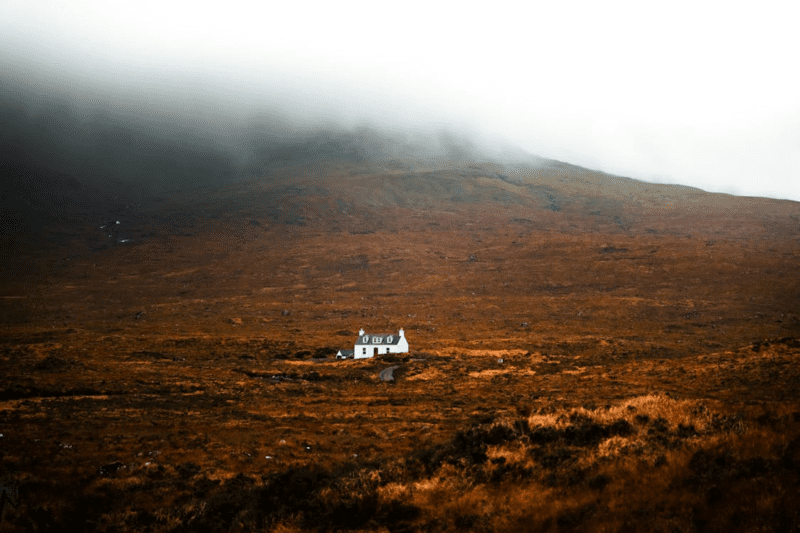
Scotland’s landscapes inspire beauty and sometimes dread.
From carved stones to haunting legends, the land remembers, you can explore more on https://celtguide.com/celtic-stone-carvings/..
When you hear the Sawney Bean story, you don’t simply learn history. You feel the cultural heartbeat of a community struggling with hardship and danger.
And that makes the legend powerful, even if it never happened exactly as told.
Final Thoughts
The Sawney Bean legend invites us into a dark folklore corridor. It reminds us that stories keep communities alert. They also reveal how fear travels from generation to generation.
We can read it as horror.
We can read it as metaphor.
Either way, it shows that Scottish storytelling carries depth, humor, caution and, sometimes, a chill.
If you enjoy unraveling tales layered with myth and memory, explore more of our folklore insights across the site: https://celtguide.com/blog/