


The Four Treasures of the Tuatha Dé Danann Explained

Irish mythology does not rely on spectacle alone. It relies on meaning. Few stories demonstrate this better than the Four Treasures of the Tuatha Dé Danann, sacred objects that define power, legitimacy, wisdom, and abundance in early Irish thought.
The Tuatha Dé Danann, often described as divine ancestors of Ireland, arrived from the four northern cities of the world, bringing with them four treasures. Each treasure reflects a core value of Celtic society and reveals how myth shaped political and spiritual life.
Who Were the Tuatha Dé Danann?
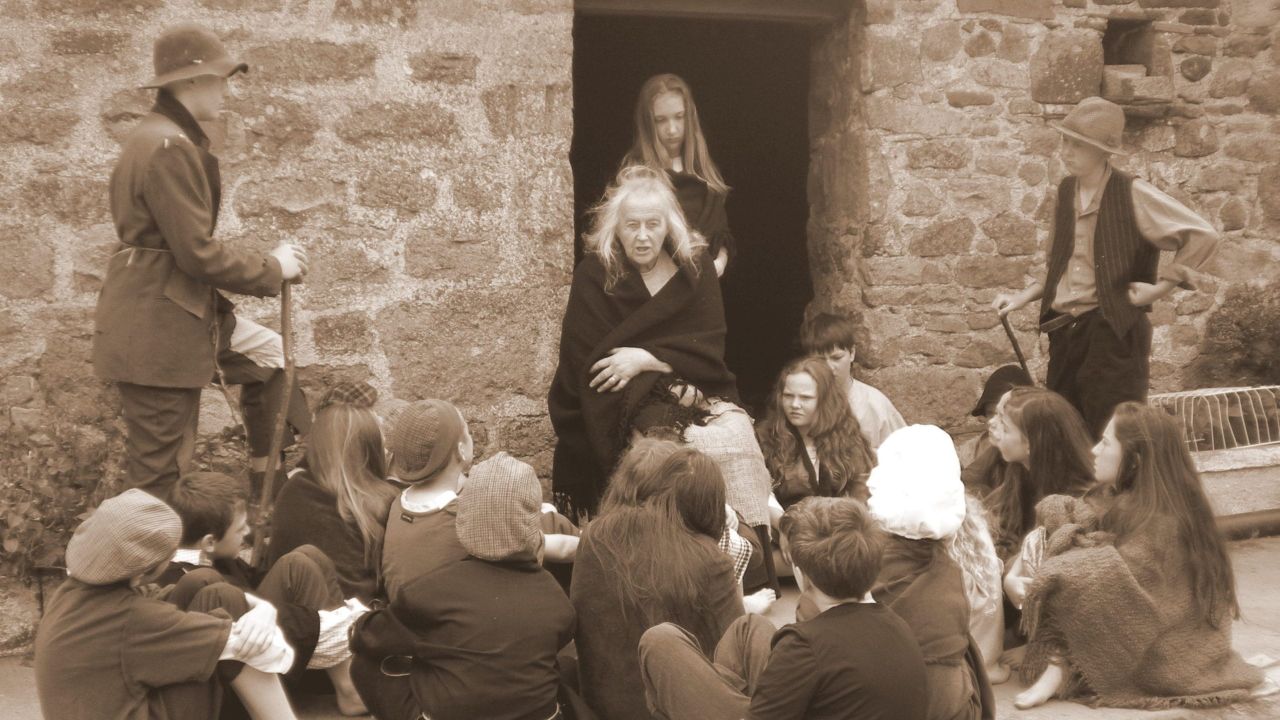
The Tuatha Dé Danann stand at the heart of Irish mythological cycles. They appear as god-like beings, skilled in magic, warfare, poetry, and craftsmanship. Irish storytelling traditions preserved their memory through oral culture, a practice explored further in why Irish people are natural storytellers.
Rather than ruling by brute force, they ruled through wisdom, rightful kingship, and balance with the land.
What Are the Four Treasures?
The Four Treasures are:
- Lia Fáil (Stone of Destiny)
- Sword of Nuada
- Spear of Lugh
- Cauldron of the Dagda
Each item connects directly to kingship, justice, victory, or sustenance.
Lia Fáil: The Stone of Destiny
The Lia Fáil rests on the Hill of Tara, Ireland’s ancient royal site. The stone cried out when the rightful king touched it. This act did not merely confirm authority; it linked the king to the land itself.
The Hill of Tara remains central to Irish identity, as discussed in Hill of Tara. Kingship here depended on harmony, not domination.

Sword of Nuada: Justice Made Flesh
The Sword of Nuada, wielded by the first king of the Tuatha Dé Danann, never failed in battle. Once drawn, it allowed no escape. Yet its symbolism runs deeper than violence.

The sword represents just authority. In Celtic belief, a king enforced order, protected his people, and upheld sacred law. Power without justice held no legitimacy.
Spear of Lugh: The Flame of Victory
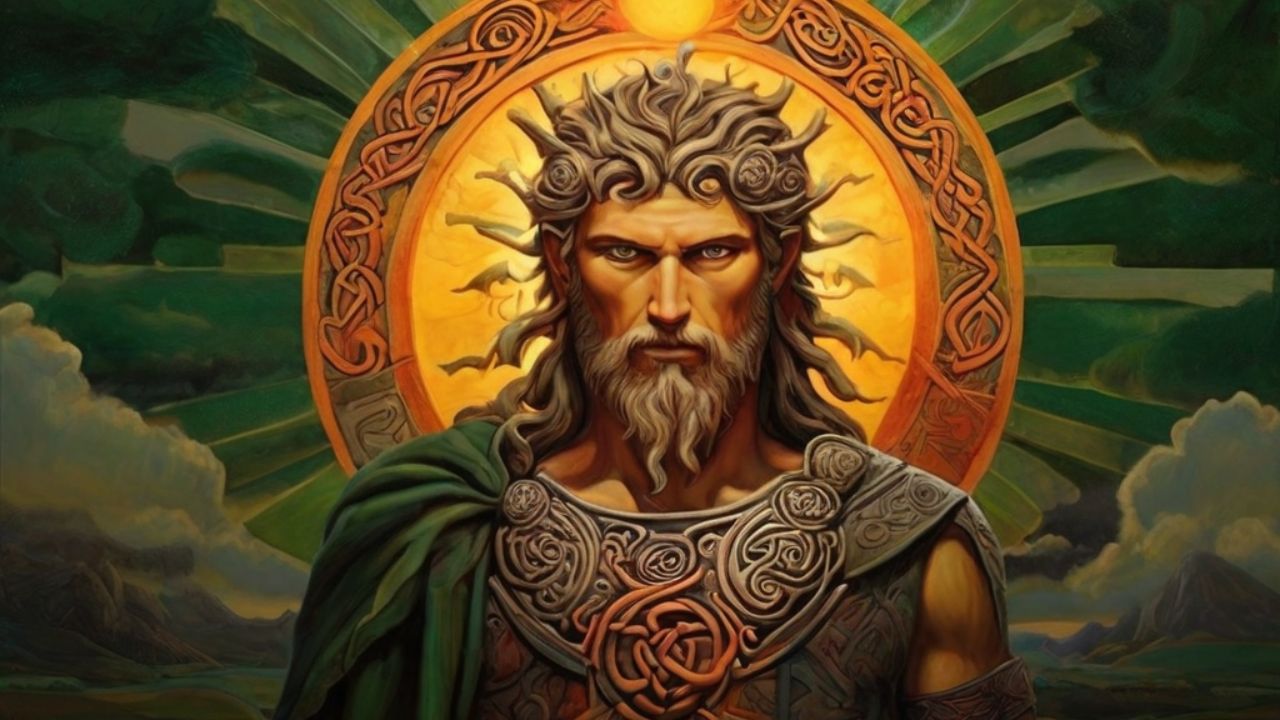
The Spear of Lugh burned with unstoppable energy. It ensured victory before a battle even began. Lugh himself embodied skill, intelligence, and innovation, qualities explored further in Celtic Sun God Lugh.

This spear symbolises mastery through knowledge, not chaos. In Irish myth, the clever warrior often triumphs over the stronger foe.
Cauldron of the Dagda: Endless Abundance
The Cauldron of the Dagda never ran empty. It fed all who came to it and left none unsatisfied. Hospitality formed a sacred duty in Celtic society.

You can explore this symbolism further in Cauldron of Dagda. The cauldron reflects a worldview where prosperity flowed from generosity and balance with nature.
Why the Four Treasures Still Matter
These treasures reveal how early Ireland understood leadership. A true ruler required legitimacy (Lia Fáil), justice (Sword), wisdom (Spear), and care for the people (Cauldron).
Even today, Celtic material culture, from stone carvings to ceremonial objects, echoes these values, as seen in Celtic stone carvings.
Irish mythology does not separate power from responsibility. It binds them together.
Final Thoughts
The Four Treasures of the Tuatha Dé Danann are not relics of fantasy. They are philosophical tools. They explain how ancient Ireland viewed authority, land, and human duty.
In a world that often prizes power alone, these myths remind us that leadership without wisdom collapses. That lesson remains timeless.