
The Dunbar Vampires Legends: Dark Myths of East Lothian

Scotland has never lacked for eerie stories, yet the tales surrounding the Dunbar Vampires feel especially unsettling. Dunbar, a coastal town in East Lothian, usually appears calm with its rugged cliffs and bright seaside paths. But dive a little deeper into local lore, and you find a cluster of chilling accounts that blend myth, fear, and centuries of imagination. As with many Scottish legends like those explored in our pieces on storytelling traditions—the Dunbar tales show how the past clings to the landscape.
Where the Legend Begins
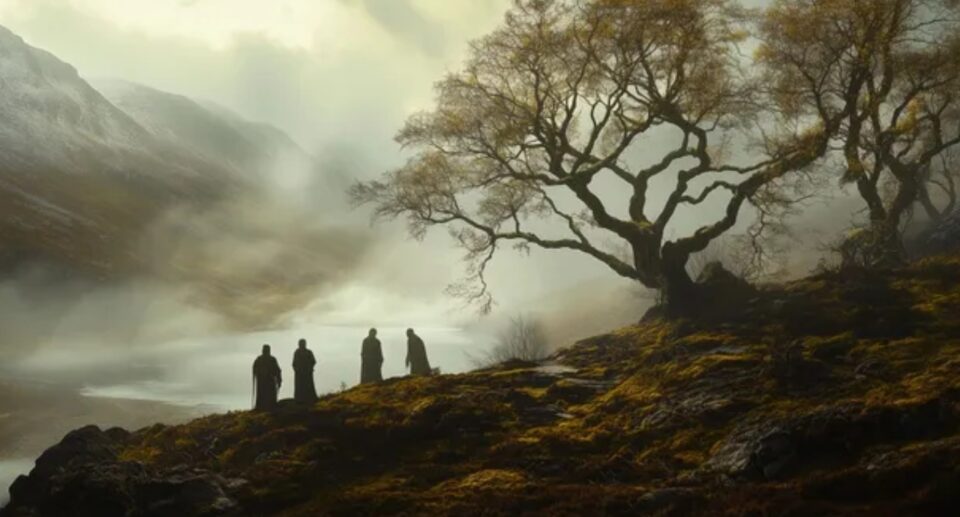
The earliest whispers of vampires in Dunbar date back to medieval times. Chroniclers speak about strange happenings near burial grounds and abandoned structures. These tales often describe figures who walked with unnatural silence or shadows that stretched longer than the living. While these accounts appear exaggerated today, they reveal how people once interpreted unexplained deaths or illnesses.
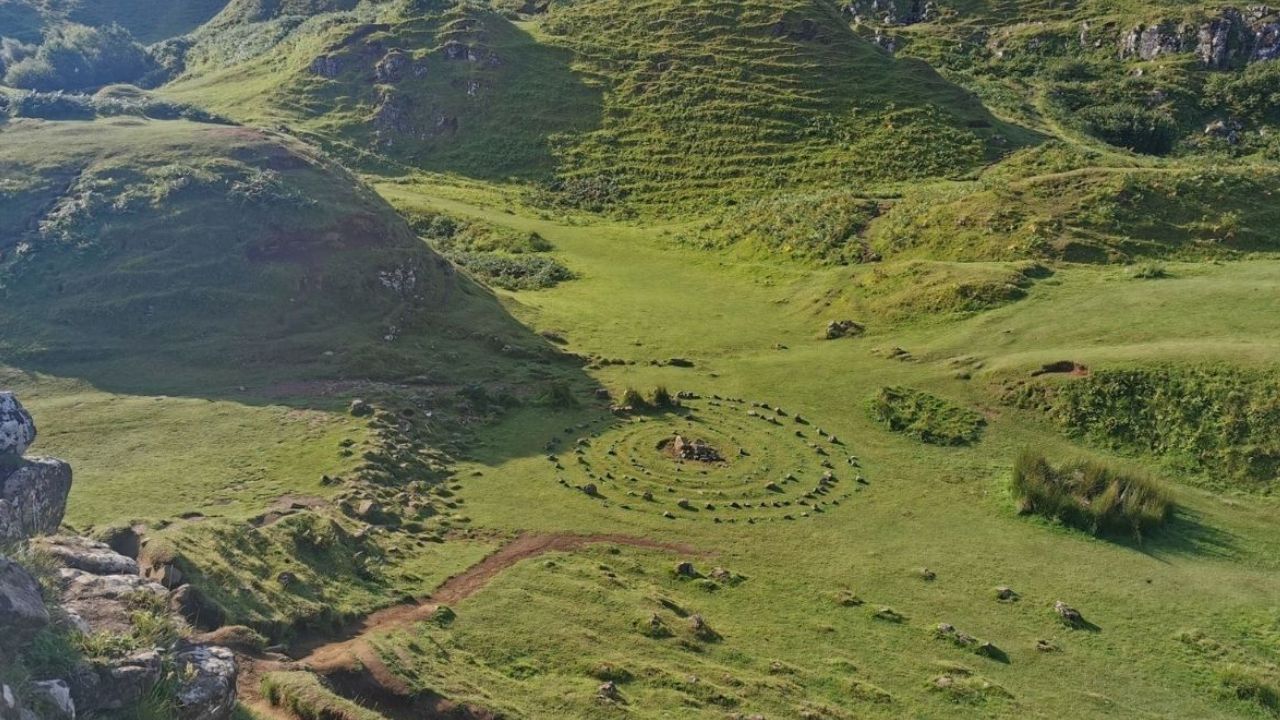
Folklore specialists link these stories to wider Celtic beliefs, similar to the supernatural themes explored in articles like the Legend of the Fairy Glen and Selkies in Folklore. Celtic communities understood the world through story, and Dunbar was no different.

The Unsettling Tales Told Around Dunbar
Several recurring elements appear across Dunbar’s vampire stories:
1. The Restless Dead
Some tales describe individuals who passed away in strange circumstances and were believed to have risen again. Villagers claimed to see them wandering at dusk, pale and silent.
2. Blood-Drained Livestock
Highland and Lowland communities relied heavily on their animals. When sheep or cattle were found drained of blood, suspicion fell immediately on supernatural forces.
3. The Cliffside Watcher
One of the most famous Dunbar legends speaks of a dark figure perched along the coastal cliffs. Locals avoided the area after nightfall, convinced they were being observed by something not quite human.
These are stories that blend reality with fear. They reveal how communities tried to make sense of danger much like folklore surrounding the Linton Worm or the darker myths of Annwn in Welsh tradition.

Why Dunbar Was Ripe for Vampire Folklore
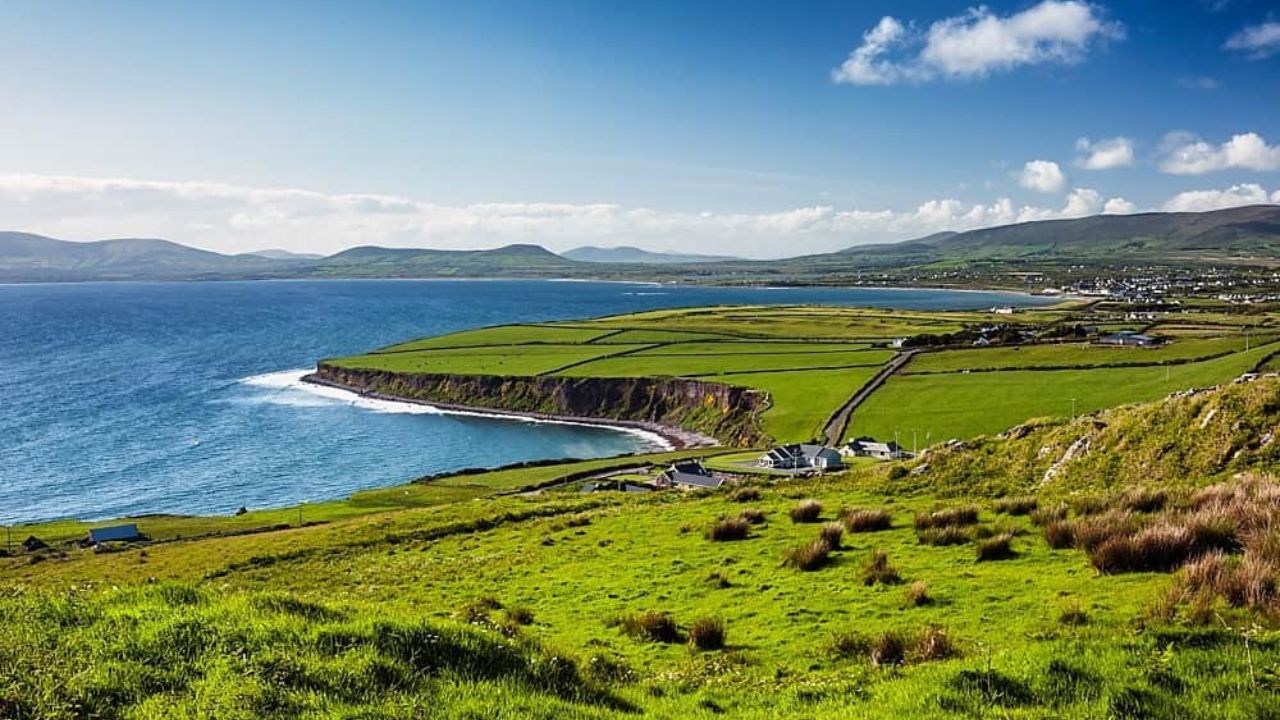
The landscape around Dunbar plays a major role in shaping these tales. The region is full of sea caves, ruined towers, and sudden drops to the ocean. Mist rolls in without warning. Sounds echo in strange ways. When you stand near the cliffs at night, it’s easy to see how imaginations once ran wild.
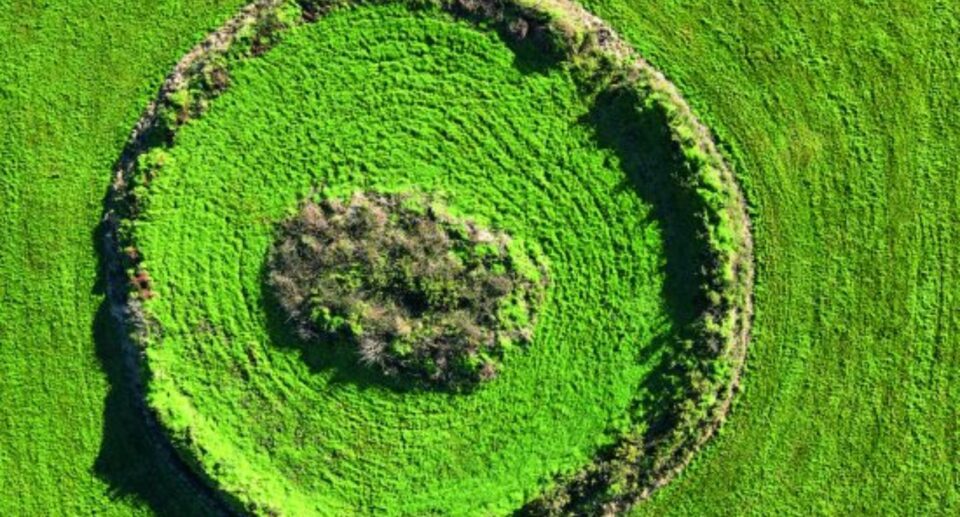
Many Scottish stories connect directly to place. Whether it’s the ritual landscapes described in the Hill of Tara or the mystical waters of the Isle of Mull, location shapes belief.

Dunbar, with its dramatic geography, naturally encouraged darker legends.
How the Dunbar Vampires Fit Into Scottish Mythology
Scottish folklore holds a wide range of supernatural beings—fairies, selkies, giants, sea spirits, and yes, creatures similar to vampires. While Scotland does not have a strong vampire tradition like Eastern Europe, it does feature “revengers,” “risers,” and “the walking dead” across different regions.
The Dunbar vampires stand out because they appear more human, more rooted in physical fears. This ties them to themes explored in Scottish storytelling, which you can explore further in our main blog collection.
Modern Interpretations: Folklore, Memory, and Tourism
Today, these legends fascinate visitors and locals alike. Some see them as metaphors for disease or emotional trauma. Others view them simply as thrilling stories that add colour to East Lothian’s past. Folklorists often highlight how such tales reflect cultural anxieties, especially during times of famine or conflict—echoing themes discussed in our article on the Irish Potato Famine.
Whatever their origin, the Dunbar vampire stories survive because they offer mystery. They let us explore fear in a safe, imaginative way.

Final Thoughts
The Dunbar Vampires remain some of Scotland’s most intriguing supernatural tales. Whether you read them as folklore, morality stories, or echoes of real historical events, they add a dark but fascinating layer to East Lothian’s identity.
And like most Celtic legends—whether about fairies, selkies, or mythical beasts, they remind us that Scotland’s landscape never tells its whole story in daylight.