The Curse of the MacBeth Clan | A Dark Legacy in Scottish Memory

Few Scottish names carry the same weight as MacBeth. The name evokes ambition, prophecy, blood, and downfall. While Shakespeare shaped global perceptions, the roots of the so-called Curse of the MacBeth Clan lie deeper in Scottish history and folklore. This legend blends real medieval conflict with supernatural belief, creating a story that refuses to fade.
Scotland preserves its past through narrative. Oral tradition, place, and symbolism keep these stories alive, much like those explored in our discussion on why Irish people are natural storytellers. The MacBeth curse survives because it speaks to fear, power, and fate.
Who Were the MacBeths?
The historical Macbeth, Mac Bethad mac Findláich, ruled Scotland from 1040 to 1057. He belonged to a powerful Moray lineage rather than a later clan system. Modern clan structures formed centuries after his reign, as explained in our guide on how many Scottish clans.
MacBeth’s rule brought relative stability. Contemporary records describe him as a capable king. The idea of a cursed bloodline developed later, shaped by political propaganda and folklore rather than fact.
Origins of the Curse of the MacBeth Clan
The curse narrative grew from violent succession and betrayal. MacBeth seized the throne by killing King Duncan. Such acts invited moral judgment in medieval storytelling. Chroniclers framed his reign as unnatural, opening the door to supernatural punishment.
Over time, folklore filled the gaps. Tales spoke of restless spirits, prophetic warnings, and land stained by blood. Sacred landscapes often absorb these legends. Scottish stone monuments and carvings helped anchor memory in place, as explored in Celtic stone carvings.
The curse became a symbolic explanation for defeat, exile, and loss of status rather than a literal spell.
Shakespeare’s Role in Shaping the Legend
William Shakespeare transformed MacBeth into a cautionary tragedy. His play amplified darkness, witchcraft, and moral collapse. Audiences soon linked the drama itself with bad luck, giving rise to the famous theatrical superstition.
Although often confused, the theatrical “curse” does not reflect Scottish clan belief. Yet it reinforces the idea that the MacBeth name attracts misfortune. Literature, once released into culture, gains a life of its own.
This process mirrors how other Celtic myths evolved, blending history with imagination, much like legends tied to places such as the Fairy Glen.
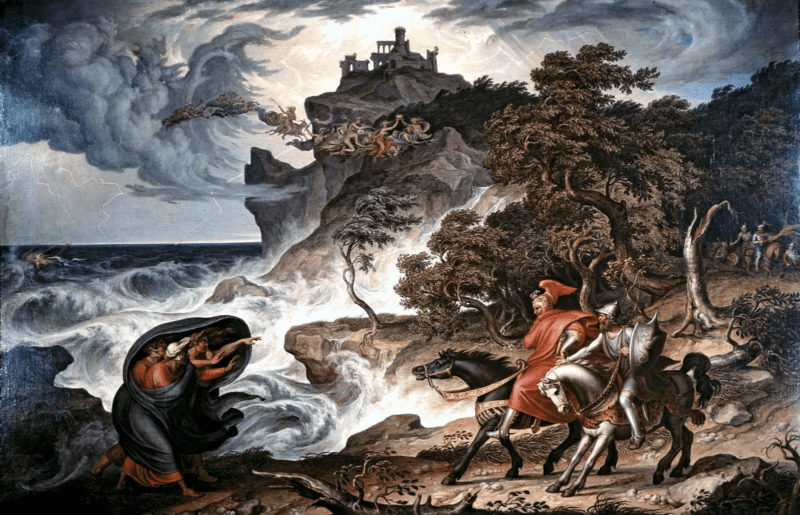
Folklore, Fate, and Gaelic Worldview
Gaelic culture viewed fate as negotiable but dangerous. Prophecy did not force action; human choice completed it. The MacBeth curse reflects this worldview. Ambition invites consequence when it ignores moral order.
Gaelic proverbs often warn against pride and haste. These sayings echo the MacBeth story’s lesson, as discussed in our collection of Gaelic Irish proverbs. The curse functions as cultural memory, not superstition alone.
Landscapes Linked to the MacBeth Legend
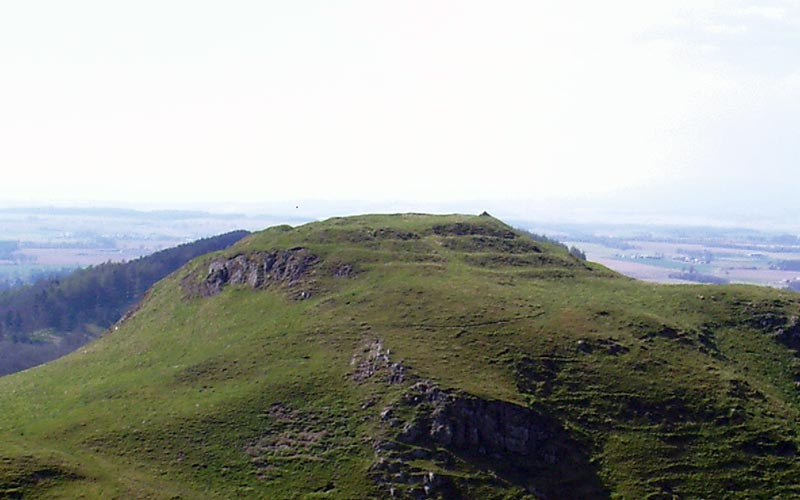
Places associated with MacBeth still draw attention. Dunsinane Hill in Perthshire symbolizes false security. Birnam Wood represents the inevitability of reckoning. These landscapes hold meaning because stories gave them voice.
Celtic tradition frequently binds myth to geography. Hills, forests, and ruins preserve emotional truth long after political facts fade. This connection mirrors other sacred sites such as the Hill of Tara in Irish tradition.
Does the Curse Still Matter Today?
No historical evidence supports a literal curse on descendants. Yet the legend still shapes cultural identity. Writers, filmmakers, and historians revisit MacBeth to explore ambition, guilt, and legitimacy.
Modern Scotland treats the curse as symbolic heritage rather than fear. It reminds audiences that power gained without consent rarely endures. The story endures because it remains relevant.
Why the Curse of the MacBeth Clan Endures
The Curse of the MacBeth Clan survives because it blends history, folklore, and moral inquiry. It warns against unchecked ambition while honoring Scotland’s storytelling tradition.
Like many Celtic legends, it asks difficult questions rather than offering comfort. In that tension, the story finds its strength.