
Scottish Whisky Distillery Tours: A Scholar’s Guide to Scotland’s Liquid Heritage
Scotland does not merely produce whisky; it curates memory in oak and barley. A distillery tour offers more than a tasting. It reveals landscape, language, craftsmanship, and community. If you plan a journey through Scotland, a whisky distillery tour should anchor your itinerary.
In this guide, I draw on Scotland’s cultural history and regional identity to help you plan a tour that feels informed, immersive, and unforgettable.
Why Take a Scottish Whisky Distillery Tour?
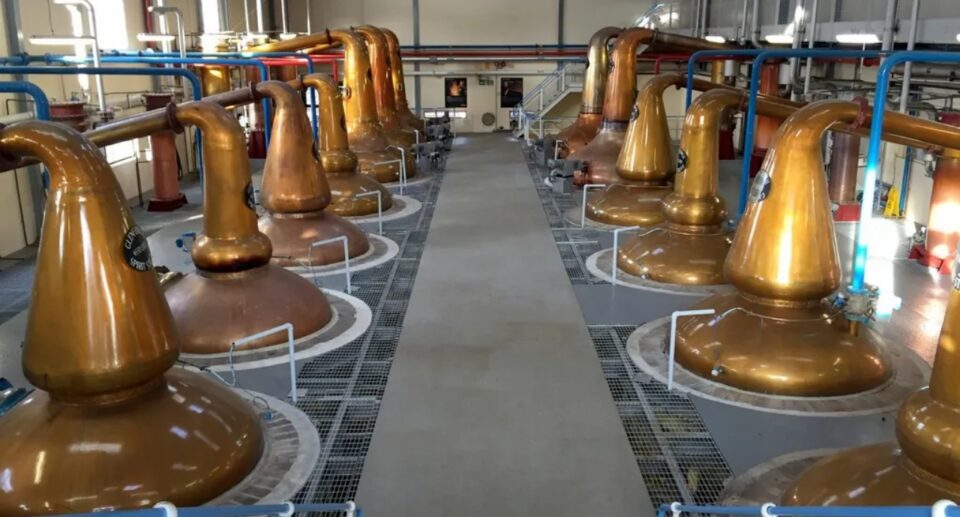
A distillery visit allows you to witness the full arc of production: malting, mashing, fermentation, distillation, and maturation. Guides explain each stage with clarity. You smell the washbacks. You feel the warmth of copper stills and taste spirit drawn from the cask.
More importantly, you encounter people who sustain a tradition that stretches back centuries. Their craft sits alongside other enduring expressions of heritage, from clan identity (see our guide on https://celtguide.com/how-many-scottish-clans/) to textile traditions explored in https://celtguide.com/what-is-tartan/.
Whisky, like tartan, carries regional character and historical depth.
The Five Main Whisky Regions of Scotland
Understanding Scotland’s whisky regions helps you choose the right tour. Each region shapes flavor through climate, water, and local practice.
1. Speyside: Elegance and Complexity
Speyside boasts the highest concentration of distilleries in Scotland. Expect refined, fruit-forward malts with notes of apple, honey, and spice.
Distilleries such as The Macallan and Glenfiddich Distillery offer structured tours with guided tastings. Many provide warehouse experiences where you sample directly from the cask.
Best for: First-time visitors and lovers of smooth, balanced drams.
2. Islay: Smoke and Sea
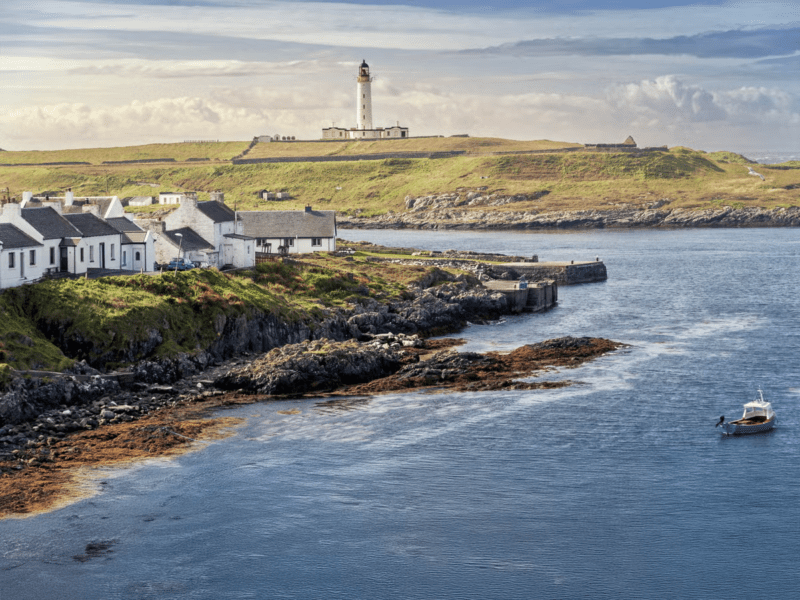
Islay produces bold whiskies shaped by peat smoke and Atlantic air. Expect maritime notes, iodine, and brine.
Visit Laphroaig Distillery or Ardbeg Distillery to explore peat cutting grounds and coastal warehouses.
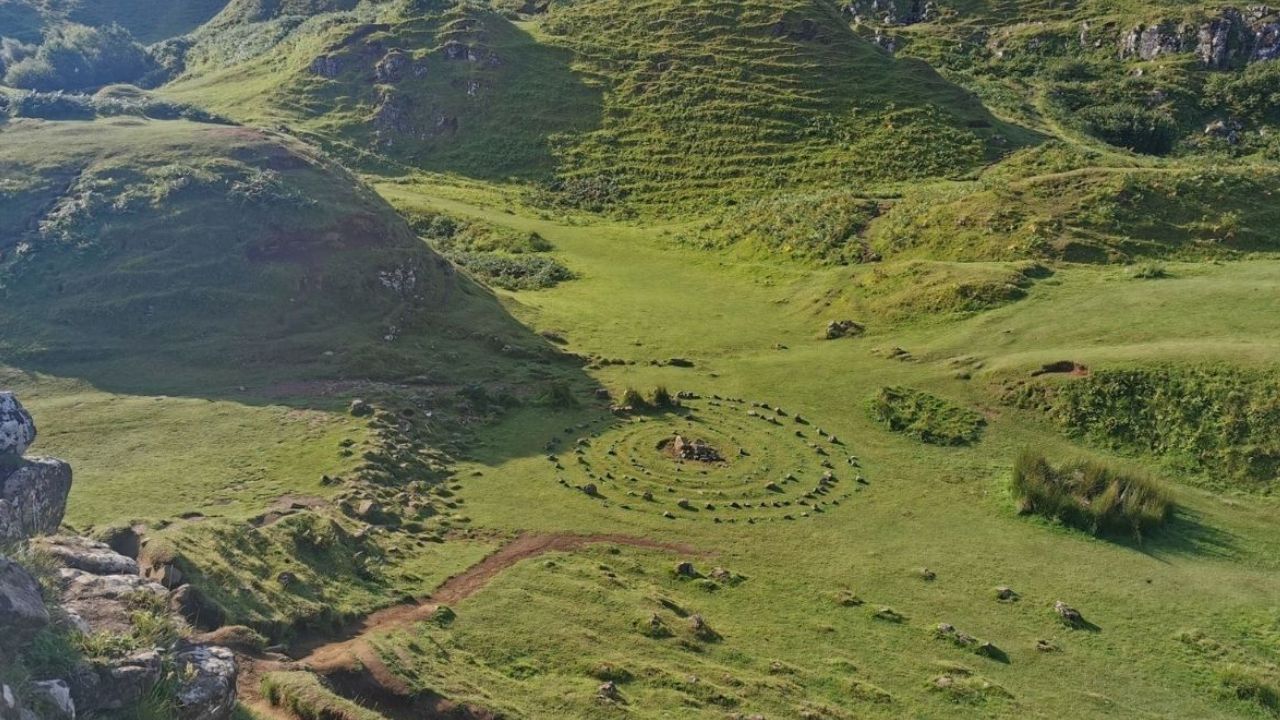
Islay’s dramatic scenery rivals the mythic atmosphere described in our exploration of https://celtguide.com/legend-of-the-fairy-glen/.
Best for: Experienced drinkers who appreciate smoky intensity.
3. Highlands: Diversity in a Glass
The Highlands cover vast terrain. Flavor profiles range from light and floral to rich and spicy.
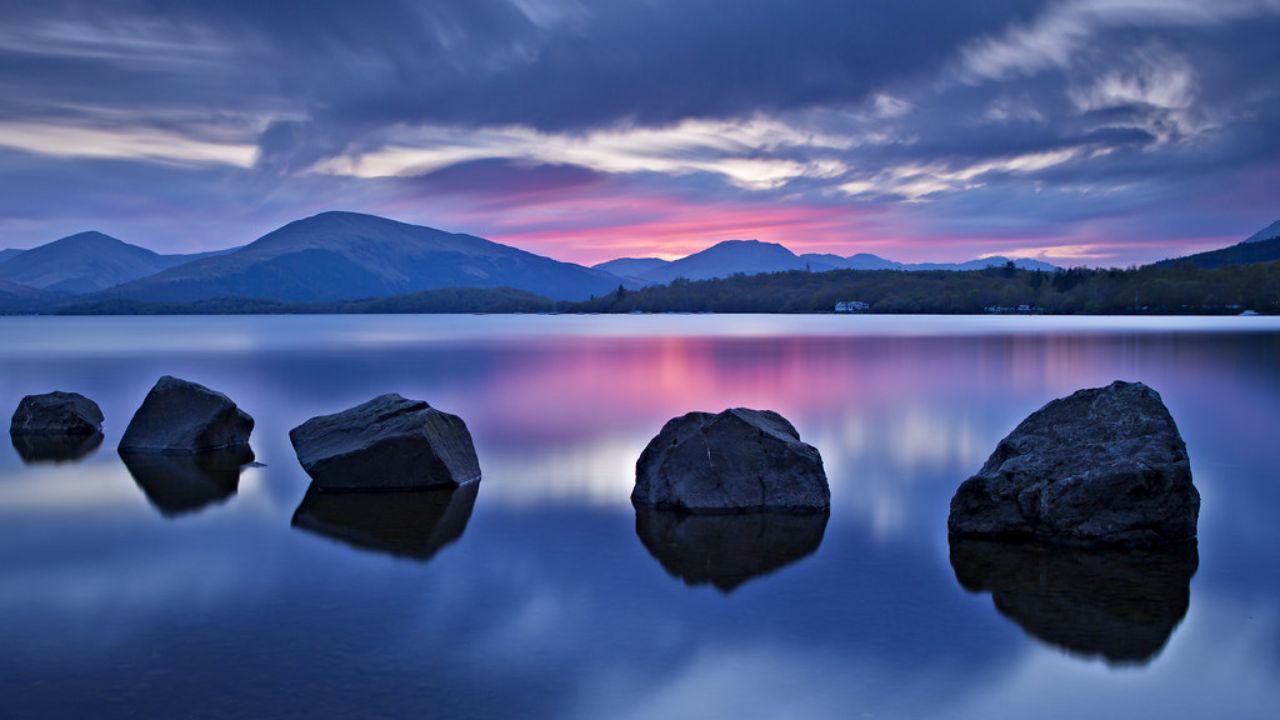
Near the famous loch discussed in https://celtguide.com/is-loch-lomond-in-the-highlands/, you can visit Oban Distillery. Its compact urban setting contrasts with remote Highland operations.
Best for: Travellers who want variety within one region.
4. Lowlands: Light and Approachable
Lowland whiskies often present grassy, citrus notes. Distilleries near Edinburgh make excellent day trips.
Tours here feel intimate and accessible. They suit visitors new to Scotch.
5. Campbeltown: Historic and Rare
Once the whisky capital of the world, Campbeltown now hosts only a few active distilleries. Yet it produces distinctive, characterful malts.
Springbank remains family-owned and deeply traditional.
Best for: Enthusiasts seeking authenticity and heritage continuity.
What to Expect on a Distillery Tour
Most tours last 60–120 minutes and include:
- A guided walk through production areas
- A history of the distillery and its founders
- A tutored tasting of 2–4 whiskies
- Access to exclusive bottlings
Premium experiences may include food pairings or blending workshops.
Book in advance, especially during summer and during events such as the Highland Games season (see https://celtguide.com/events-to-watch-in-highland-games-2025/).
How to Plan Your Whisky Tour
Choose Your Region First
Map your route logically. Speyside suits a concentrated tour. Islay requires ferry planning.
Pace Yourself
Limit visits to two distilleries per day. Palate fatigue dulls appreciation.
Combine Culture with Craft
Pair your whisky journey with broader cultural exploration. Learn about crofting life in https://celtguide.com/crofters-journey-through-time/ or explore Gaelic heritage through https://celtguide.com/scottish-gaelic-bible-translations/.
Whisky does not stand apart from Scotland’s story. It grows from it.
FAQs
What is the best region for Scottish whisky tours?
Speyside offers the highest density of distilleries and suits most first-time visitors.
Are Scottish distillery tours worth it?
Yes. Tours provide guided tastings, historical context, and access to exclusive releases.
How much do whisky distillery tours cost?
Standard tours range from £15 to £30. Premium tastings cost more.
Can beginners enjoy whisky tours?
Absolutely. Many Lowland and Speyside tours cater to newcomers.
A Final Reflection: Whisky as Cultural Text
As scholars at the University of Edinburgh often observe, material culture reveals national identity in tangible form. Whisky functions as both commodity and cultural archive. Each cask records time. Each dram carries geography.
When you step into a Scottish distillery, you do more than taste spirit. You enter a living tradition shaped by land, labour, and language.
Plan thoughtfully. Travel slowly. Taste attentively.
And let Scotland speak through its glass.