Scottish Kilt Pleat Styles: Structure, Symbol, and Craft
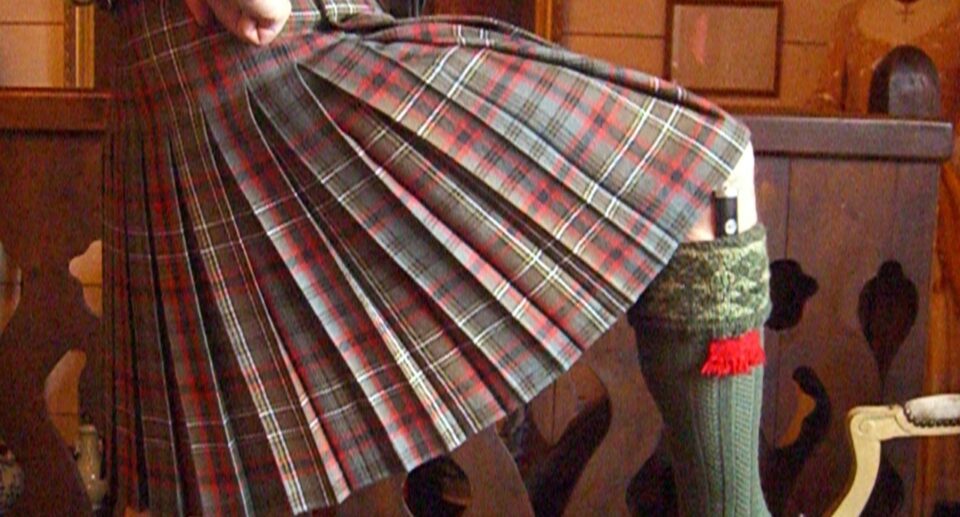
When most people think of a Scottish kilt, they imagine tartan, clans, and ceremony. Yet the true architecture of the garment lies at the back. The pleats define how the kilt moves, hangs, and speaks. They carry both technical precision and cultural meaning.
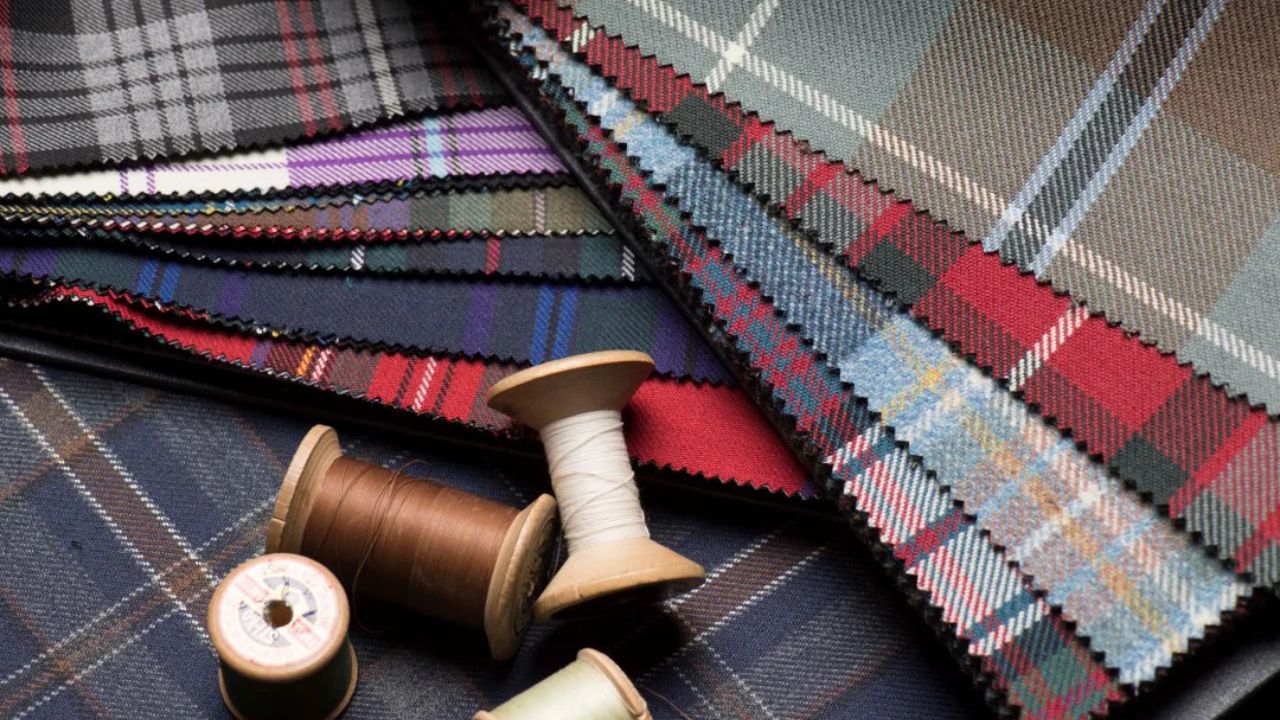
To understand pleat styles, one must first grasp tartan itself. If you need a foundational overview, see our guide on https://celtguide.com/what-is-tartan/ and the historical development discussed in https://celtguide.com/how-long-has-the-tartan-prints-been-around/. Pleating transforms tartan cloth into Highland dress. It is not decorative excess. It is structural design.
Why Pleats Matter in Highland Dress
Pleats give the kilt its swing, weight distribution, and silhouette. Without them, the garment would resemble a wrapped skirt. With them, it becomes tailored, balanced, and kinetic.
The pleating style also determines how the tartan pattern appears. Some styles preserve a single stripe. Others reveal the full sett. This decision shapes the visual identity of the wearer. In a culture where clan affiliation matters, explored further in https://celtguide.com/how-many-scottish-clans/, such details carry significance.
Knife Pleats: The Classic Form
Knife pleats remain the most common and historically grounded style. Each pleat folds in the same direction. The maker presses the fabric into narrow, even folds that overlap cleanly.
Two primary approaches exist within knife pleating:
- Pleated to the Sett: The full tartan pattern repeats across the back. This creates a bold and rhythmic display of colour.
- Pleated to the Stripe: A single vertical stripe repeats along the pleats. This produces a more restrained and military precision.
Most traditional kilts use knife pleats because they allow fluid movement. The fabric opens naturally when the wearer walks. This mobility suits Highland dancing, piping, and formal gatherings such as the events described in https://celtguide.com/events-to-watch-in-highland-games-2025/.
Box Pleats: Structured and Modern
Box pleats fold fabric in opposing directions, creating a wider and flatter fold. This style appears less frequently in traditional Highland dress but gains popularity in contemporary or fashion-forward kilts.
Box pleats create symmetry and a broader silhouette. Designers often choose them for pipe bands or modern reinterpretations of the kilt. They project order and stability rather than movement.
Because box pleats require more fabric per fold, they can increase weight. For practical advice on measurement and fit, readers may consult https://celtguide.com/how-to-measure-for-a-kilt/.
Military Pleats: Discipline in Cloth
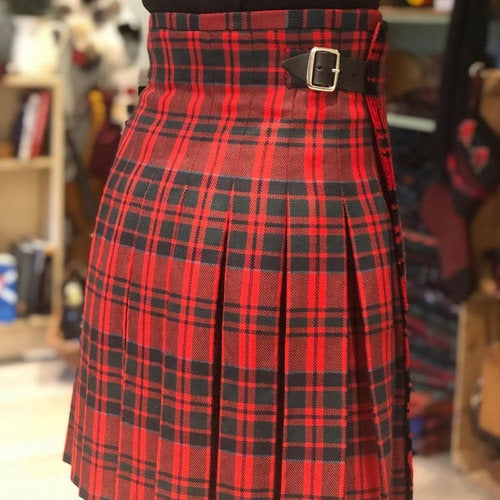
Military pleats technically fall under knife pleats, but they follow a specific principle. The pleating highlights a dominant stripe, often the central stripe of the tartan. This repetition creates uniformity across a regiment.
Historically, regiments adopted this approach to ensure visual cohesion. The effect appears sharp, deliberate, and authoritative. One sees it clearly in formal parades and ceremonial dress.
Military pleating aligns the garment with the martial heritage of Highland regiments. Accessories such as the dirk, discussed in https://celtguide.com/what-is-a-dirk-knife/, complete this disciplined ensemble.
Historical Evolution of Pleating
The early great kilt (féileadh mòr) did not include sewn pleats. Wearers gathered and belted the cloth manually each day. Tailored pleats emerged more prominently in the eighteenth and nineteenth centuries, as Highland dress moved from rural practicality to formal symbolism.
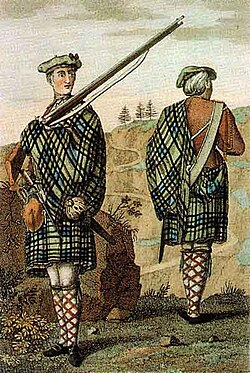
This transition parallels other developments in Scottish cultural expression, from textile refinement to musical traditions like those described in https://celtguide.com/fiddle-music/ and https://celtguide.com/the-bodhran-drum/. Craft became codified. Aesthetic choices gained social meaning.
Choosing the Right Pleat Style
Selecting a pleat style depends on three factors:
- Occasion – Formal events often favour traditional knife pleats.
- Clan or Regimental Identity – Military stripe pleating reinforces unity.
- Personal Aesthetic – Box pleats offer modern structure.
Weather and movement also influence design. In windy Highland conditions, explored in https://celtguide.com/kilts-weather-scotland/, well structured pleats maintain shape and dignity.
For a broader exploration of kilts across cultures, see https://celtguide.com/do-irish-wear-kilts/ and https://celtguide.com/what-is-an-irish-kilt/.
Craftsmanship and Responsibility
Pleating demands mathematical accuracy. A skilled kiltmaker calculates fabric width, sett size, and hip measurement before a single stitch. Precision ensures balance. A poorly aligned pleat distorts the entire garment.
This devotion to craft echoes other Celtic traditions where detail matters deeply—whether in stonework like https://celtguide.com/celtic-stone-carvings/ or in symbolic dress items such as https://celtguide.com/tam-oshanter-hat/.
In every case, structure conveys story.
Conclusion: Movement as Meaning
Scottish kilt pleat styles do more than shape cloth. They choreograph identity. Knife pleats celebrate tradition and flow. Box pleats offer modern clarity. Military pleats express collective discipline.
When you next see a kilt from behind, do not overlook the architecture. The pleats hold memory, mathematics, and movement in equal measure.
For further exploration of Highland dress and cultural expression, visit our main archive at https://celtguide.com/blog/ or browse related insights in https://celtguide.com/category/fashion-style/.
The kilt stands as a living garment. Its pleats ensure that heritage continues to move.