Scottish Belt Buckles with Clan Crests Explained

Scottish belt buckles with clan crests may seem like small details, yet they carry deep cultural weight. These buckles do more than hold a kilt belt in place. They announce identity, ancestry, and loyalty. In Highland dress, every element speaks. The buckle often speaks first.
In traditional Scottish society, symbols mattered. Crests, tartans, and mottos helped people recognize kin and allegiance at a glance. Today, clan crest belt buckles continue that visual language in a modern form.
What Is a Scottish Clan Crest?
A clan crest forms part of a larger heraldic system. It usually appears above the clan chief’s helmet in formal heraldry. The crest does not represent every clan member individually. Instead, it symbolizes loyalty to the chief.
Most clan crest belt buckles display the crest encircled by a strap and buckle motif. This design includes the clan motto, reinforcing shared values. To understand how clans developed and organized themselves, our guide on how many Scottish clans offers useful historical context.

History of Belt Buckles in Highland Dress
Belts and buckles entered Highland dress later than kilts themselves. Early Highlanders relied on belts mainly for carrying weapons or tools. Decorative buckles gained popularity in the 18th and 19th centuries, especially during the Victorian revival of Highland culture.
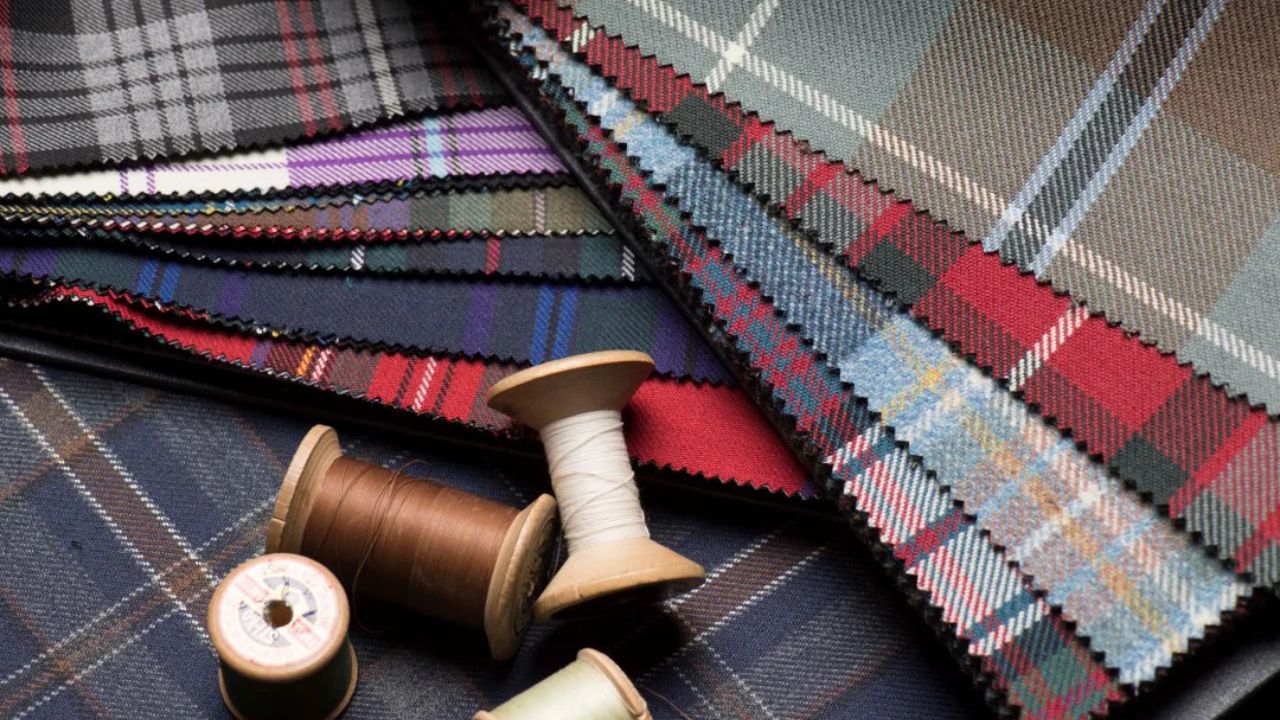
As tartan use became standardized, accessories followed suit. Clan-specific buckles emerged alongside sporrans, sgian-dubhs, and dirk knives. These items helped formalize Highland dress for ceremonies and public events. You can explore this broader evolution through our article on what is tartan.

Symbolism Engraved in Metal
Clan crest belt buckles carry layered symbolism. Animals such as lions, stags, or boars signal strength, vigilance, or leadership. Plants like oak branches reflect endurance and lineage, themes also explored in Celtic oak tree symbolism.
Mottos often appear in Latin or Scots Gaelic. They communicate ideals such as courage, faithfulness, or readiness. When worn, the buckle becomes a personal declaration of inherited values.
Unlike tartans, which can vary by region or period, crests remain relatively stable. This stability gives clan buckles a sense of permanence.
How to Wear a Clan Crest Belt Buckle Correctly
Tradition shapes how you wear a clan crest buckle. The crest should face upright and sit centered on the body. The belt passes behind the buckle, fastening discreetly.
Wearers should choose their clan crest carefully. Custom allows you to wear the crest of your surname’s clan or a clan you legally belong to through lineage or marriage. For measuring and styling accuracy, our guide on how to measure for a kilt provides practical advice.
Avoid mixing unrelated clan symbols. Consistency shows respect for tradition rather than restriction.

Modern Use and Cultural Relevance
Today, Scottish clan crest belt buckles appear at weddings, Highland Games, and cultural festivals. They also serve as meaningful heirlooms and gifts. Many people of Scottish descent wear them to reconnect with ancestral roots.
Events like the Highland Games continue to reinforce the visibility of Highland dress. Our overview of events to watch in Highland Games 2025 highlights how traditional attire remains central to these gatherings.
Clan buckles also appear in contemporary fashion. Designers now pair them with modern kilts and tailored outfits, proving that tradition adapts without losing meaning.
Why Clan Crest Buckles Still Matter
Scottish belt buckles with clan crests endure because they balance history and identity. They offer a tangible link to ancestry while fitting seamlessly into modern dress.
In a globalized world, such symbols ground people in story and place. Like tartans and stone carvings, they preserve memory through material culture. They remind wearers that heritage lives not only in books, but also in what we choose to wear.