Scottish Bagpipe Bands’ Uniforms: History, Meaning, and Tradition

Scottish bagpipe bands command attention long before the first note sounds. Their uniforms speak through color, pattern, and form. These garments express identity, discipline, and continuity within Scottish culture.
From military roots to modern competitions, pipe band uniforms developed with purpose. Each element carries historical weight. Together, they create a visual language understood across Scotland and far beyond it.
Origins of Pipe Band Uniforms
Pipe band uniforms emerged from Highland military dress of the eighteenth and nineteenth centuries. Regiments adopted standardized clothing to reinforce unity and authority. Civilian pipe bands later followed this model.
Uniformity mattered. Matching dress created collective presence. It also echoed the structure of clan society, where shared symbols defined belonging. Discussions around how many Scottish clans exist help explain why visual cohesion remains important in Highland culture.
Pipe band attire still reflects discipline shaped by history.
The Central Role of Tartan
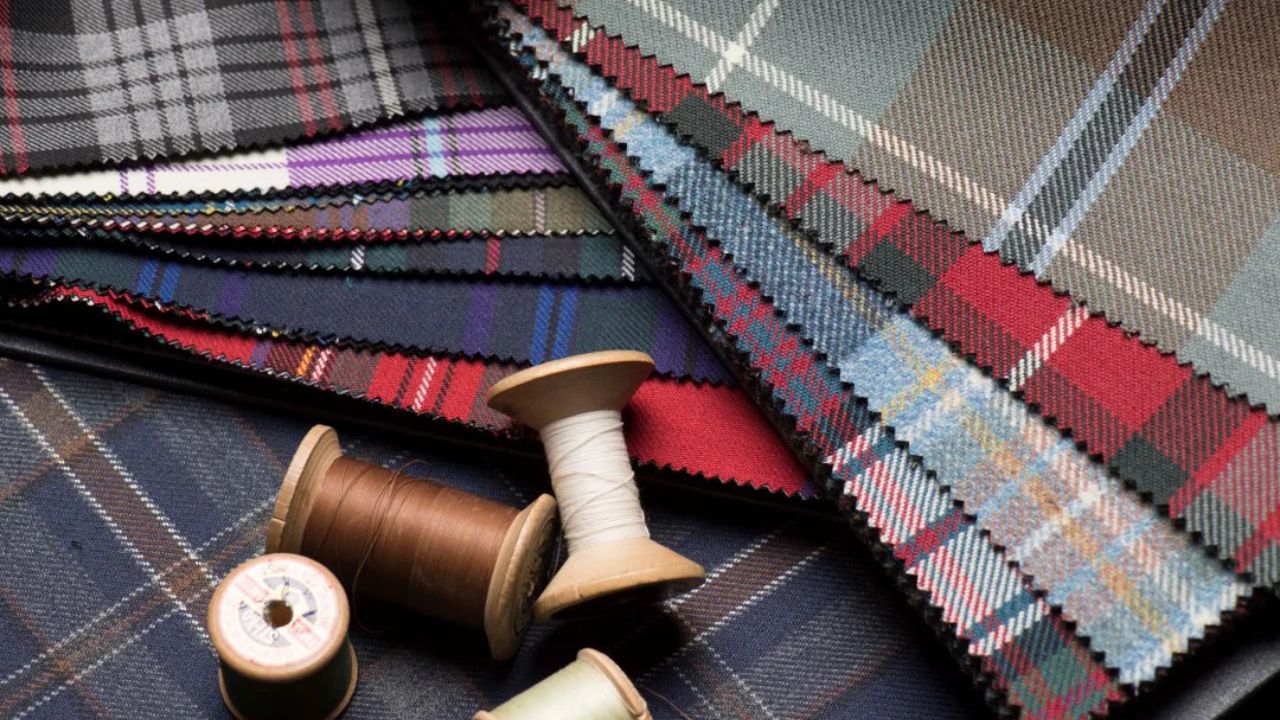
Tartan forms the heart of most pipe band uniforms. Kilts display carefully selected patterns that represent clans, regions, or institutional identities.

Understanding what tartan is and how long tartan prints have been around reveals why these patterns carry authority. Tartan signals continuity. It links modern performers with ancestral landscapes and loyalties.
Bands often choose tartans for symbolic reasons rather than genealogy alone.
Jackets, Shirts, and Formal Structure
Above the kilt, bands wear tailored jackets designed for performance and ceremony. Doublets, vests, and waistcoats shape posture and enhance visual order.
Shirts remain simple, often white, to contrast with darker outerwear. This balance keeps attention on movement and instrument. The structure of the uniform mirrors the musical precision demanded by pipe band performance.
Such careful construction reflects broader Scottish approaches to formal dress, similar to those explored in studies of Scottish tartan shawls.
Headwear: Bonnets and Glengarries
Headwear completes the pipe band uniform. Feather bonnets, Balmoral bonnets, and glengarries appear depending on band tradition and formality.

Feather bonnets draw from military parade dress and add height and drama. Glengarries offer a simpler, modern alternative. Each style signals context, whether competition, parade, or commemoration. Accessories like the Tam O’Shanter hat share similar cultural roots.
Headwear frames the collective identity of the band.
Accessories and Symbolic Details
Sporrans, hose, flashes, and sgian-dubhs complete the uniform. These items balance function and symbolism. The sporran replaces pockets and adds texture. Flashes secure hose while introducing subtle color contrast.

Some bands also carry ceremonial blades inspired by historical weapons, related in spirit to the dirk knife. These details reinforce Highland martial heritage without overshadowing the music.
Every accessory serves a visual and cultural role.
Uniforms in Competition and Performance
Modern pipe band competitions demand strict uniform standards. Judges consider appearance alongside musical quality. Clean lines and consistency matter.
These events often take place at gatherings like the Highland Games, highlighted in events to watch in the Highland Games. Uniforms help bands present professionalism and respect for tradition.
Visual harmony strengthens musical impact.
Cultural Meaning Beyond the Music
Pipe band uniforms do more than dress musicians. They tell stories. They express pride, place, and continuity. In many ways, they function like storytelling itself, a theme explored in reflections on why Irish people are natural storytellers.

The uniform becomes part of the performance. It carries memory forward with every step and note.
Why Pipe Band Uniforms Still Matter
Scottish bagpipe band uniforms remain vital because they unite history with living practice. They preserve identity without freezing it. Each performance renews tradition through disciplined expression.
In cloth and color, Scotland continues to speak.