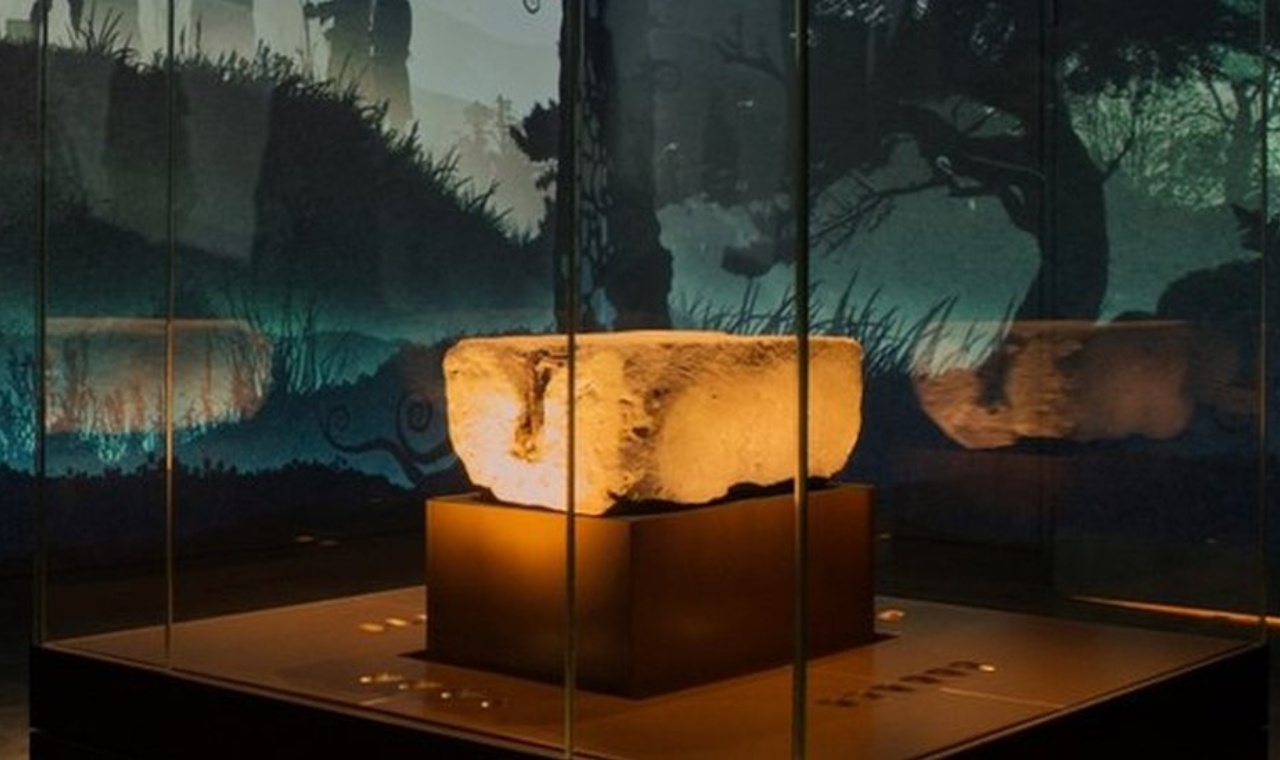
Irish Symbols of Luck: Shamrocks & Horseshoes

Ireland is a land rich with folklore, myth, and tradition. Among its many cultural treasures, symbols of luck such as shamrocks and horseshoes stand out. These symbols are more than decorative motifs, they carry centuries of meaning and reflect the Irish way of connecting with nature, spirituality, and community. Much like the Irish storytelling tradition explored in Why Are Irish People Natural Storytellers, these lucky symbols weave a narrative of identity, hope, and protection.
The Shamrock: Ireland’s Iconic Clover
The shamrock, a three-leafed clover, is instantly recognized as a symbol of Ireland. Its association with luck is deeply rooted in both nature and legend. According to tradition, Saint Patrick used the shamrock to explain the Christian concept of the Holy Trinity—Father, Son, and Holy Spirit to the Irish people.
Beyond religious symbolism, shamrocks have long been considered good luck charms. Each leaf represents a different quality: faith, hope, and love. Some interpretations add a fourth leaf, representing luck itself. Finding a four-leaf clover is rare, making it especially auspicious.
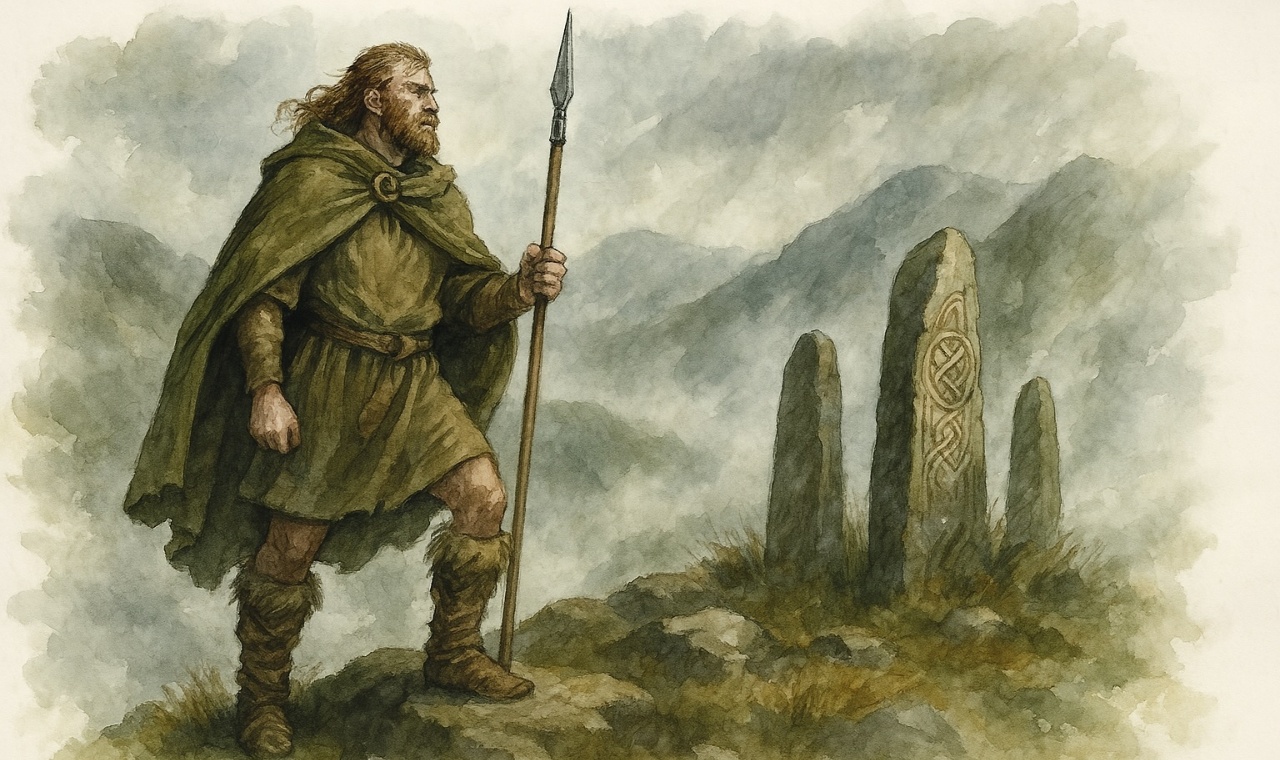
Irish shamrocks also echo the natural imagery found throughout Celtic art, similar to motifs in Celtic Stone Carvings and the symbolic trees in Celtic Oak Tree studies. They remind us of Ireland’s reverence for nature and the spiritual world.
Horseshoes: Protective Symbols
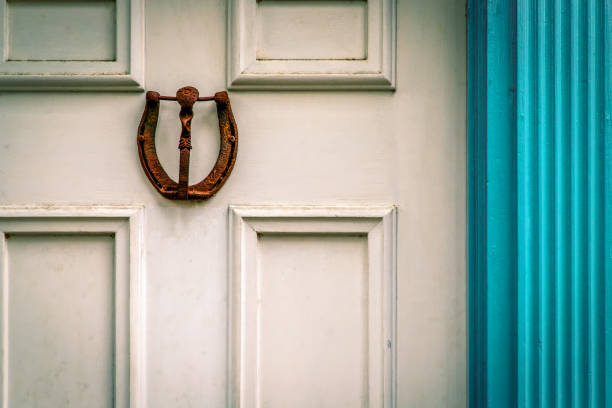
Horseshoes are another widely recognized symbol of luck in Irish tradition. Historically, iron was believed to ward off evil spirits, making the horseshoe both practical and symbolic. People hung horseshoes above doorways to protect homes and invite good fortune.
There’s a debate about orientation: some prefer the open end up to “hold” luck, while others hang it down so luck “pours” onto those who enter. Either way, the horseshoe’s shape and material tie it to centuries of folklore that merge practical life with spiritual belief.
Horseshoes also symbolize strength and movement, connecting them metaphorically to journeys and new beginnings—a theme often celebrated in Irish life and stories, much like in Ring of Kerry travel traditions.
Cultural Significance of Luck Symbols
Irish luck symbols serve multiple purposes. They are decorative, protective, and symbolic. They also act as vessels of memory, reminding people of Ireland’s history and folklore. For example, shamrocks feature prominently in Saint Patrick’s Day celebrations, linking modern festivities to centuries-old narratives. Horseshoes, meanwhile, often appear in weddings and family homes, symbolizing protection and prosperity.
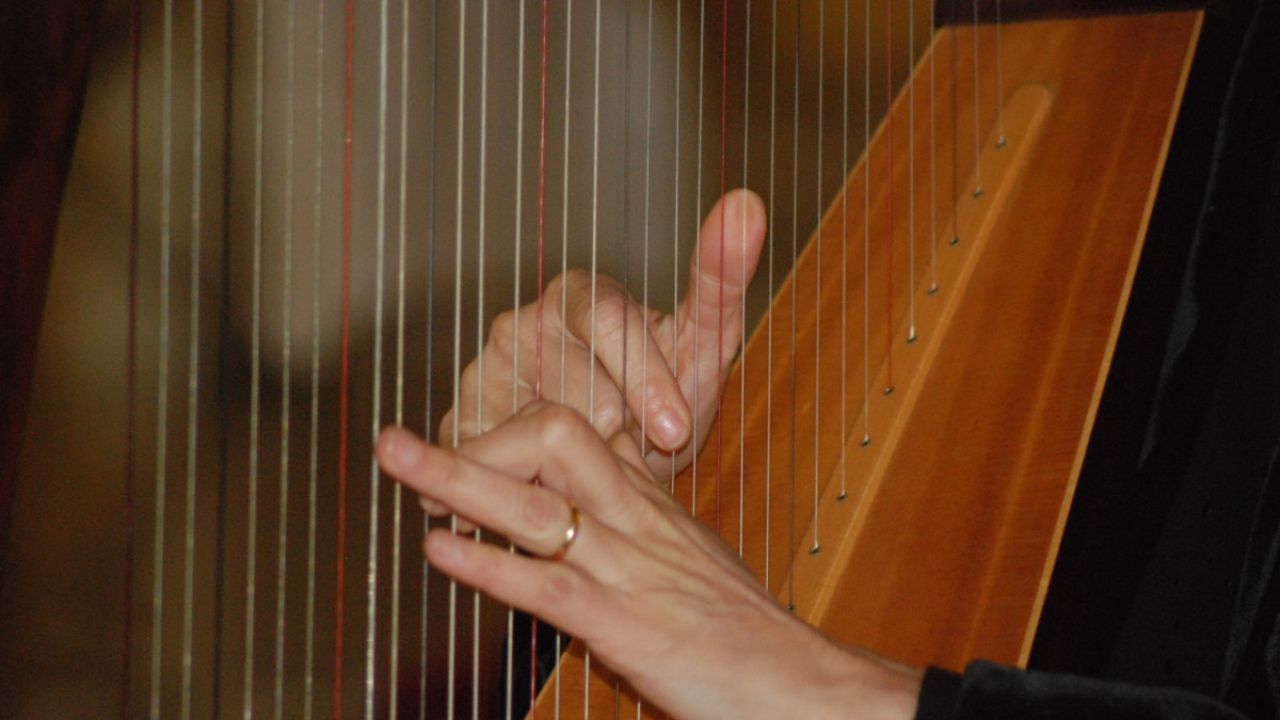
Just as musical instruments like the Clarsach Celtic Harp preserve cultural memory through sound, shamrocks and horseshoes preserve identity through symbolism. They connect everyday life with heritage, spirituality, and hope.
Luck Symbols in Modern Ireland
Today, shamrocks and horseshoes appear in jewelry, art, and souvenirs. Designers reinterpret these symbols creatively, merging tradition with contemporary style. Despite commercialization, the underlying meanings endure, reflecting resilience and continuity in Irish culture.
These symbols continue to inspire global fascination, much like Gaelic Irish Proverbs or the myths surrounding Selkies in Folklore. They remind both Irish people and visitors of Ireland’s deep-rooted connection to luck, nature, and narrative.
Conclusion
Irish symbols of luck, from shamrocks to horseshoes, are more than ornaments—they are threads that connect history, culture, and spirituality. They convey hope, protection, and identity, bridging past and present. Whether tucked into a garden, worn as jewelry, or celebrated on Saint Patrick’s Day, these symbols carry Ireland’s enduring story of charm and resilience.
For more insights into Irish culture, heritage, and crafts, explore our CeltGuide Blog.