

Irish Priests and Monasteries: Their Role in History

Irish history carries deep layers of faith, scholarship, and cultural resilience. Few institutions shaped the island’s soul as powerfully as its priests and monasteries. Their influence reached far beyond the green fields of Ireland. They preserved knowledge, trained leaders, guided communities, and even helped spark Europe’s intellectual revival.
This legacy also connects to broader Celtic traditions. If you enjoy exploring Ireland’s storytelling heritage, you might like our guide on Why Irish People Are Natural Storytellers.
Let’s explore how Irish priests and monastic communities built a foundation that influenced Europe for centuries.
1. The Rise of Early Irish Priests
Christianity arrived in Ireland long before Europe became fully Christian. Priests played a central role in spreading the faith after the era of Saint Patrick. They became advisors, teachers, and protectors of early Irish communities.
They also supported cultural practices that blended Christian belief with Celtic traditions, similar to what we see in the celebration of Saint Patrick’s Day today.
2. The Birth of Monasteries: Ireland’s Intellectual Engine
By the 6th century, monasteries shaped nearly every aspect of Irish life. They balanced prayer with study, craftsmanship, hospitality, and agriculture. Places like Clonmacnoise, Kells, and Glendalough became intellectual powerhouses.
Irish monks wrote manuscripts, preserved oral traditions, and documented myths connected to Celtic culture. If you enjoy exploring Ireland’s mythic world, you may also like Celtic Stone Carvings and their symbolic meanings.
These monasteries also operated as early universities. Students from across Europe came to study language, law, medicine, and philosophy.
3. The Golden Age of Irish Learning
The period often called Ireland’s Golden Age saw priests and monks copy manuscripts, curate libraries, and safeguard classical texts that risked disappearing elsewhere in Europe.
This scholarly brilliance echoes in other artistic traditions too, such as the musical heritage explored in our article on The Bodhrán Drum.
Irish scribes kept stories alive, from mythology to heroic legends. Many of these manuscripts now guide modern historians and folklorists.

4. Irish Missionaries Who Transformed Europe
Irish priests did not stay confined to the island. They travelled across Scotland, France, Germany, Switzerland, and Italy. Saint Columba, for example, founded the monastery on Iona, which later influenced the Christian world of Scotland.
This connects beautifully with our explorations of Scottish landscapes such as The Isle of Mull.
Irish missionaries helped revive learning after the fall of the Roman Empire. Their monasteries became centres of education across Europe.
5. Monasteries as Guardians of Community Life
For centuries, Irish monasteries offered safety, hospitality, healthcare, and education. People sought guidance from priests who mediated disputes and shaped local traditions.
Their influence often intertwined with older Celtic customs. You can see echoes of that spiritual blending in Ireland’s holy sites, like the places explored in Irish Holy Wells.

6. The Decline and the Enduring Legacy
Viking raids in the 8th and 9th centuries devastated many monasteries. Yet the spirit of Irish learning survived. Priests rebuilt, communities adjusted, and monastic traditions evolved into new forms.
The resilience of Irish culture appears again and again across history. You can feel this continuity in traditions, landscapes, and legends, like those described in Legend of the Fairy Glen.
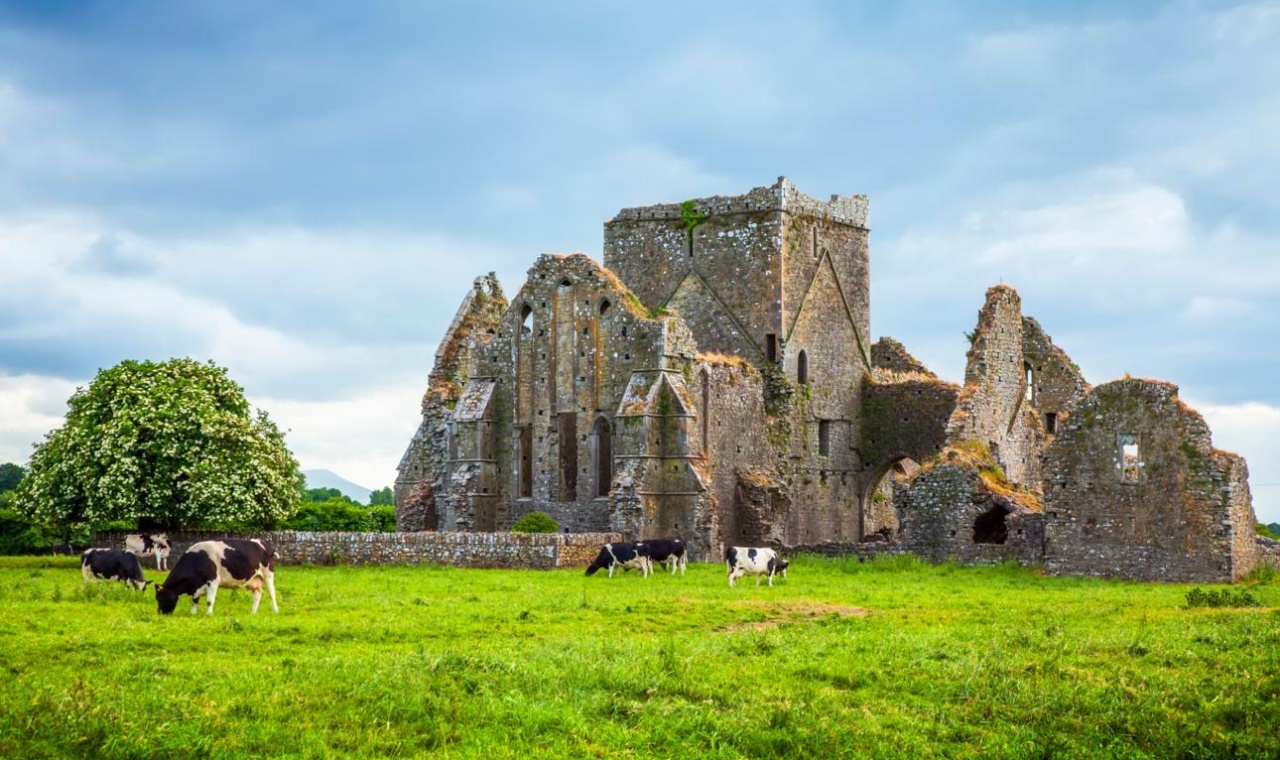
Today, the remnants of monasteries stand as quiet reminders of a time when Ireland shaped the world’s spiritual and intellectual landscape.
7. What Irish Monasteries Teach Us Today
Irish priests and monasteries show us that knowledge, faith, and culture grow strongest when they work together. Their contributions continue to inspire modern readers, travellers, musicians, and storytellers.
If you want to explore more Celtic history, browse our full collection in the CeltGuide Blog.
Conclusion
The story of Irish priests and monasteries is a story of courage, scholarship, and deep cultural identity. These communities protected knowledge during Europe’s darkest centuries and built traditions that still shape Ireland today. Their work created a legacy that goes far beyond stone walls and ancient manuscripts, it lives in the spirit of the Irish people.