
Irish Green Beer Tradition (St. Patrick’s Day)
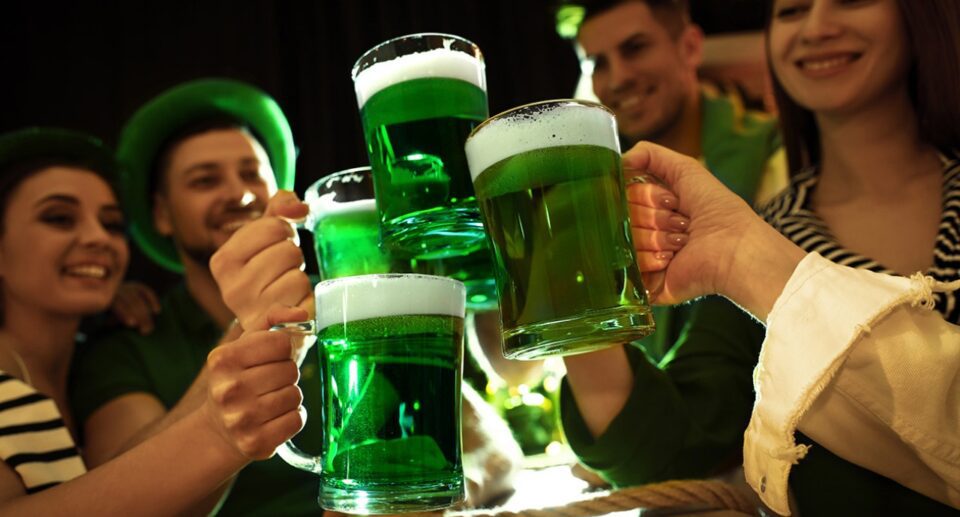
A Curious Shade of Celebration
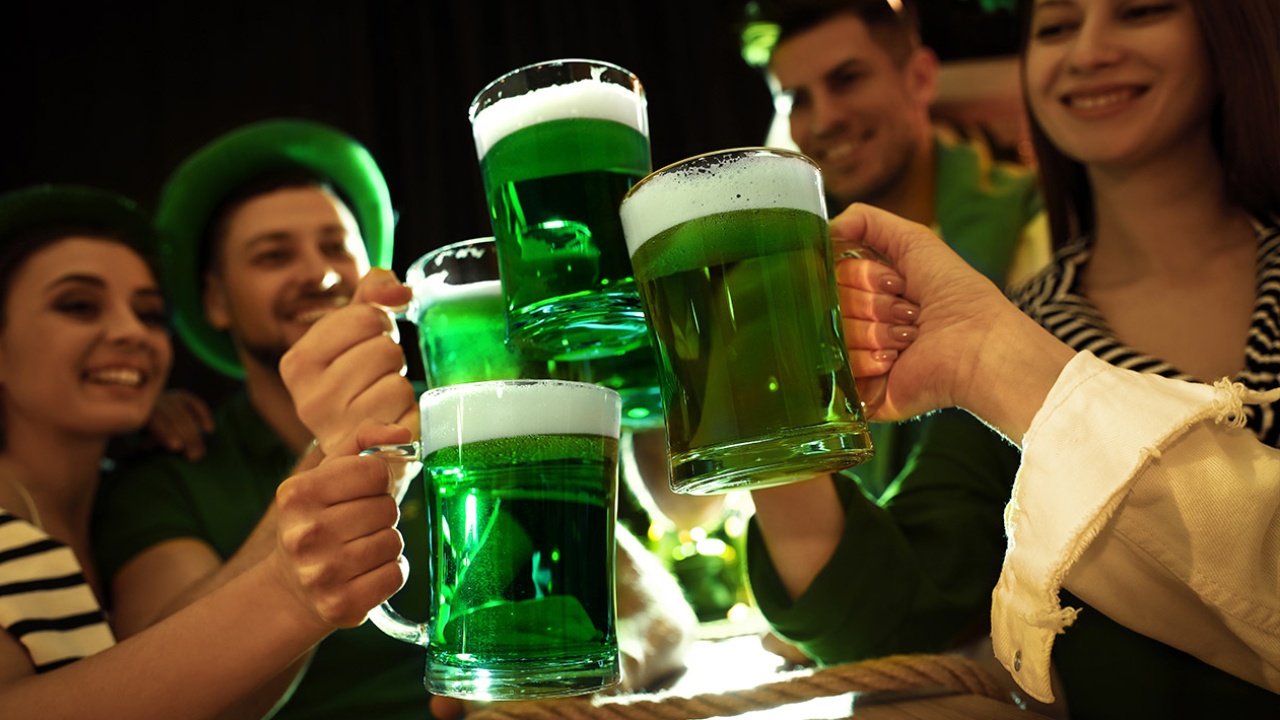
Each year, as March unfolds, rivers turn emerald and glasses shimmer with green-tinted beer. The Irish green beer tradition has become a defining image of St. Patrick’s Day celebrations worldwide. Yet, beneath its festive charm lies a story shaped more by modern creativity than ancient Irish custom.
To understand this vibrant tradition, one must explore its origins, symbolism, and cultural journey—one that bridges Ireland and its global diaspora.
Is Green Beer Truly Irish?
Contrary to popular belief, green beer does not originate from Ireland. Traditional Irish drinking culture favors natural brews such as stout and ale, not artificially colored beverages.
The green beer phenomenon emerged in the United States in the early 20th century. Irish immigrants, eager to celebrate their heritage, adapted festivities to their new cultural environment. This transformation mirrors broader cultural adaptations discussed in The Significance of Saint Patrick’s Day.
In Ireland itself, celebrations historically focused on religious observance, communal gatherings, and traditional music rather than novelty drinks.
The Birth of Green Beer
The first recorded instance of green beer dates back to 1914. A physician named Thomas Curtin reportedly added a blue dye to beer during a St. Patrick’s Day celebration in New York. The result was a striking green hue that quickly captured public imagination.

This innovation aligned perfectly with the symbolic importance of green in Irish identity, linked to lush landscapes, national pride, and cultural revival movements.
Why Green? The Symbolism Behind the Color
Green holds deep cultural resonance in Irish history. It represents the island’s landscape, often referred to as the “Emerald Isle,” and connects to Irish nationalism and folklore.
Celtic traditions frequently emphasize natural elements and symbolic colors. For instance, sacred sites like the Hill of Tara reflect the spiritual and political heritage of Ireland, where symbolism played a central role in identity formation.
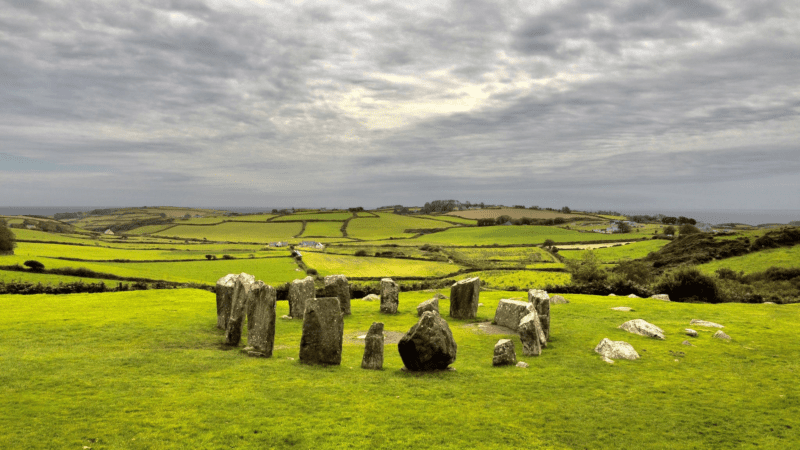
Green beer, though modern, taps into this longstanding visual language. It transforms a simple beverage into a cultural emblem; accessible, playful, and instantly recognizable.
Green Beer and the Global Irish Identity
Today, green beer thrives far beyond Ireland. Cities across the United States, Canada, and Australia embrace it as a hallmark of St. Patrick’s Day festivities.
This global spread reflects the broader influence of Irish diaspora culture. Traditions evolve as communities reinterpret heritage in new environments. Much like storytelling traditions explored in Why Are Irish People Natural Storytellers?, celebrations adapt while preserving a sense of identity.
Green beer thus serves as both a cultural bridge and a symbol of shared celebration.

How Green Beer Is Made
Despite its festive appearance, green beer remains simple in composition. Brewers or bartenders typically add a few drops of food coloring to light-colored beer, such as lager.
The process is straightforward:
- Pour a pale beer into a glass
- Add blue or green food coloring
- Stir gently to achieve the desired shade
The result is visually striking yet familiar in taste, allowing participants to enjoy novelty without sacrificing flavor.
Tradition or Trend? A Cultural Perspective
From an academic standpoint, green beer represents a “constructed tradition.” It lacks deep historical roots but gains legitimacy through repetition and collective acceptance.
Such traditions often emerge in diaspora communities, where cultural expression becomes both preservation and reinvention. This dynamic mirrors other Celtic cultural evolutions, including musical practices seen in Ceili Bands, where tradition and innovation coexist.
Rather than dismiss green beer as inauthentic, it is more accurate to view it as a modern extension of Irish cultural expression.
Conclusion: A Modern Tradition with Cultural Depth
The Irish green beer tradition may not stem from ancient Ireland, yet it captures the spirit of celebration that defines St. Patrick’s Day. It reflects adaptation, creativity, and the enduring influence of Irish culture across the globe.
In its vivid hue lies a deeper narrative; one of identity, migration, and cultural reinvention. Whether viewed through a scholarly lens or enjoyed in a festive setting, green beer remains a compelling symbol of how traditions evolve and endure.