Gaelic Laments for the Dead: Echoes of Grief Across Celtic Memory

Grief sits at the heart of every culture, but Gaelic communities shaped mourning into something deeply poetic and profoundly human. Gaelic laments for the dead, known in Irish as caoineadh and in Scottish Gaelic as tuireadh offered a way to honour the departed while giving voice to sorrow, love, gratitude, and the weight of loss.
These laments survive in fragments of song, in oral memory, and in the emotional tone that still resonates in Celtic music today. Many readers first encounter this world through Celtic storytelling, and if you want to explore that deeper, you might enjoy Why Irish People Are Natural Storytellers.
But here, we focus on the laments themselves. Their sound, their meaning, and the cultural world that shaped them.
What Made Gaelic Laments So Powerful?
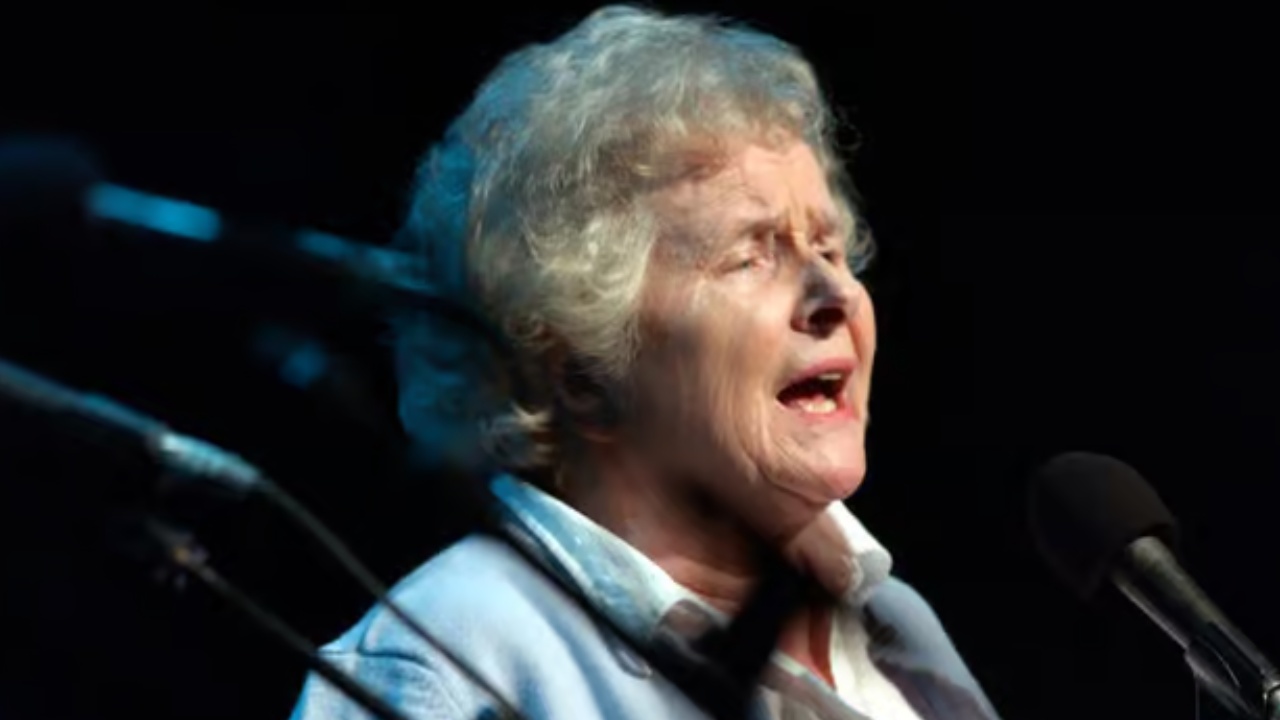
Gaelic laments were not quiet or restrained. They were raw, vocal, and deeply expressive. A lament could unfold as a chant, a half-spoken poem, or a slow melody shaped by breath and emotion.
Three elements made them powerful:
- Personal emotion: Laments expressed deep affection, regret, or pride.
- Cultural memory: They tied the deceased to ancestors and community history.
- Spiritual meaning: Many laments reflected beliefs about the soul’s journey and the thin boundary between this world and the next.
This emotional depth reminds us of the way Celtic cultures often weave symbolism through art and performance, something also visible in traditions like Celtic Stone Carvings.
Keening: The Ancient Art of Vocal Mourning
One of the most recognisable forms of lament is keening, performed traditionally by women. It combined spoken poetry, melodic wails, and rhythmic cries. Keening shaped the atmosphere of an Irish or Scottish wake and helped the community share collective grief.
You can connect this tradition to the broader world of Celtic funerary customs in our article Irish Wake Traditions.
Characteristics of Keening
- improvised verses
- rhythmic rocking or movement
- direct address to the deceased
- references to lineage, virtues, and loss
Keening was not simply dramatic; it was a form of emotional release. By giving grief a structure, it allowed communities to move through sorrow together.

Scottish Tuireadh: A Tradition of Poetic Mourning
In Scotland, tuireadh emerged as a closely related tradition. It tended to be more lyrical and poetic, often performed by family members or bards. These laments were sometimes written down, which helped preserve them despite cultural suppression during later centuries.
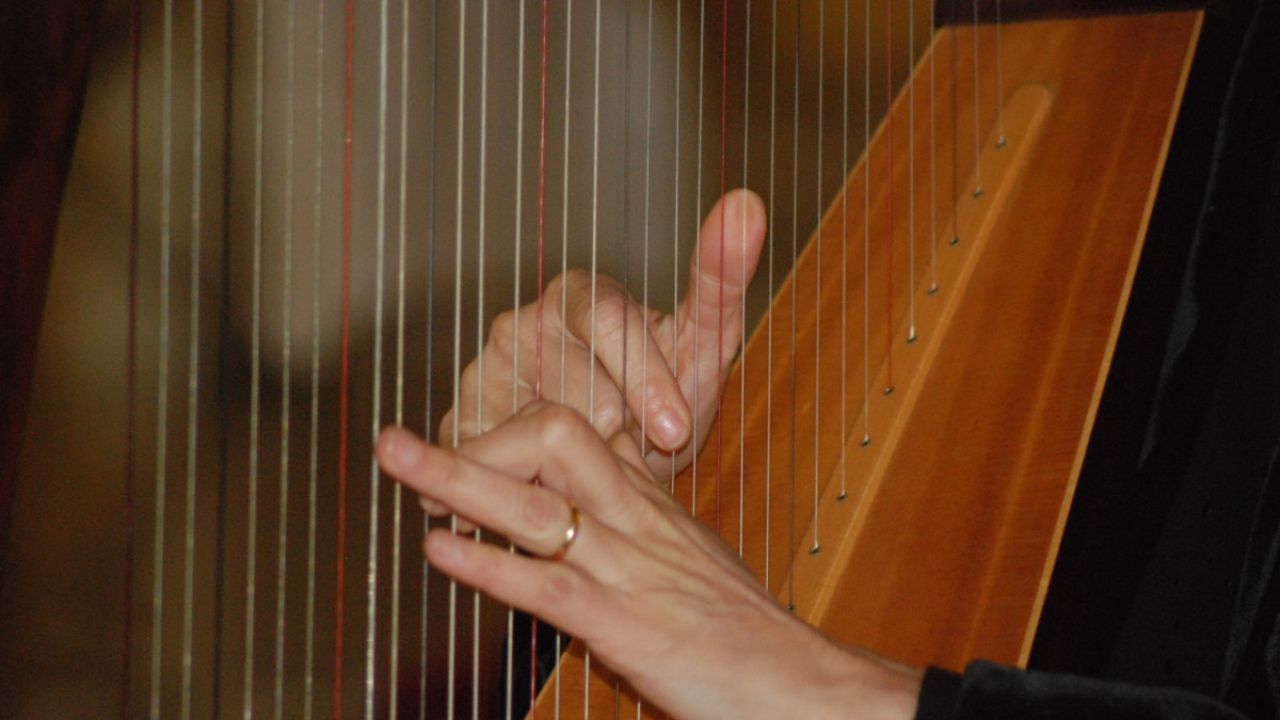
The Scottish Highlands developed a rich musical world around grief. Instruments like the clàrsach, the Celtic harp, supported laments in more formal settings. To explore its cultural role, see What Is a Clarsach?.
Themes in Scottish Laments
- longing for reunion
- honouring bravery or hospitality
- mourning youth or lost potential
- reflecting on landscape and belonging
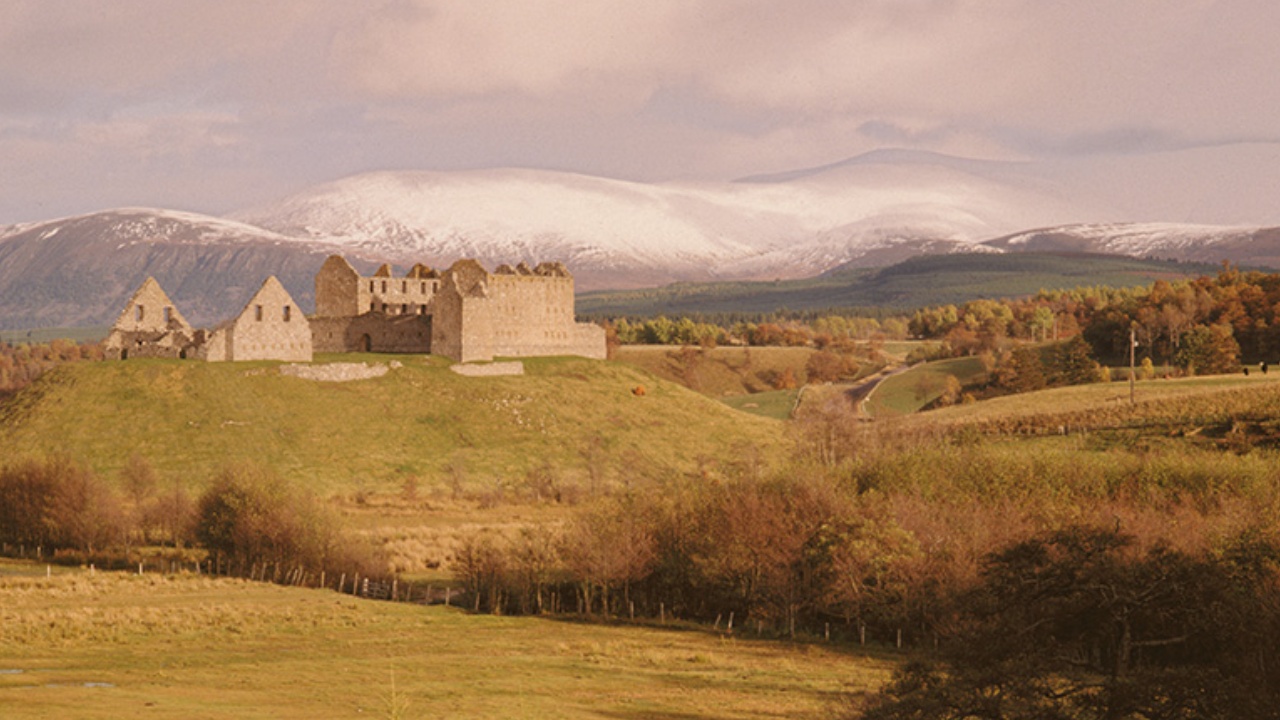
Many laments mention hills, rivers, and glens, echoing the Celtic sense of place reflected in articles like Isle of Mull or Ring of Kerry.
The Music Behind the Grief
Gaelic laments often relied on musical techniques that shaped their emotional intensity:
- slow, drawn-out melodies that mirrored yearning
- ornamentation that rose and fell like breathing
- modal scales that produced haunting tones
- steady pulse that carried the feeling forward
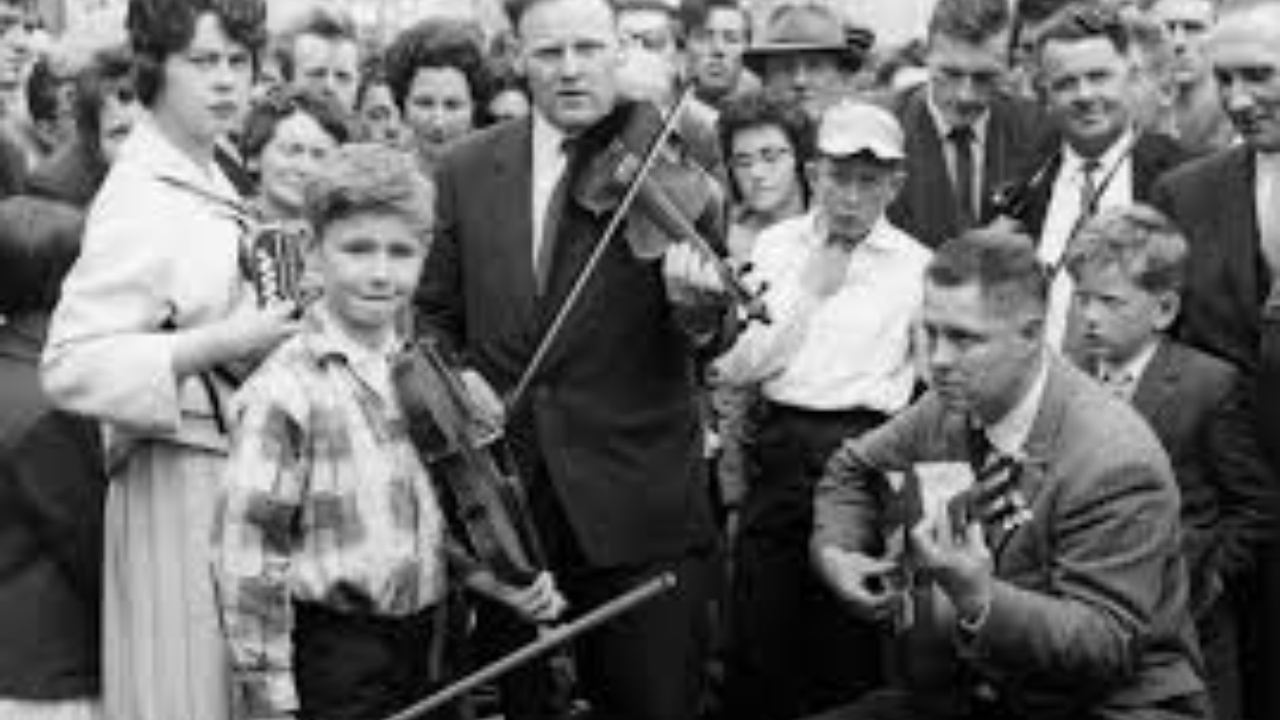
The bodhrán, common in Irish music, sometimes accompanied later laments, though keening originally took place without instruments. To learn about the bodhrán’s role in Celtic soundscapes, visit The Bodhrán Drum.

Why Gaelic Laments Still Matter
Although formal keening faded in the 19th and 20th centuries, its emotional imprint remains strong. Modern Celtic musicians borrow its phrasing, poets echo its themes, and communities still honour the idea that grief is meant to be expressed, not hidden.
Many Gaelic communities keep their traditions alive through stories, music, and language. If you’re exploring the linguistic side, Scottish Gaelic Bible Translations provides a wider context for Gaelic literary heritage.
What makes Gaelic laments extraordinary is not their sorrow alone, it is their humanity. They acknowledge that mourning is a shared act. They remind us that the living honour the dead by giving voice to the emotions the heart cannot hold alone.
Continue Your Journey Through Celtic Culture
If you want to explore more traditions, landscapes, and stories, visit the full CeltGuide Blog.