Gaelic Epic Poems: Heroes, Memory, and Myth
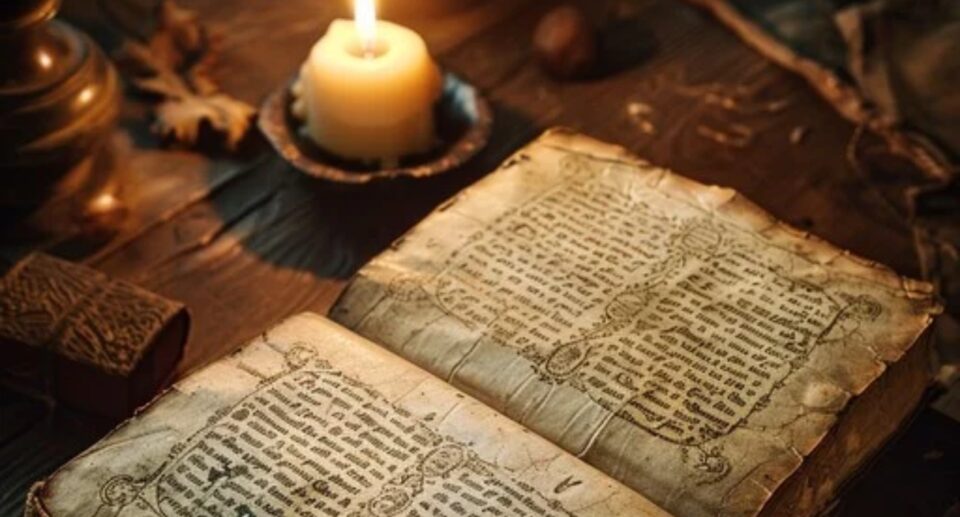
When you step into the world of Gaelic epic poems, you don’t just read history, you feel it breathe. These poems live in the spaces between myth and memory. They hold courage, loss, faith, and humor in equal measure. As someone who studies Celtic cultures, I often think of them as our earliest archives of human experience.
Gaelic epic poems did more than entertain. They taught values, recorded lineage,and united communities. And they shaped storytelling traditions that still thrive today. If you ever wondered why Irish and Scottish communities love storytelling so deeply, you’ll find part of the answer here:
➡️ Why Are Irish People Natural Storytellers?
Let’s walk through the heart of these poems together.
Oral Tradition: Poetry Meant to Be Heard
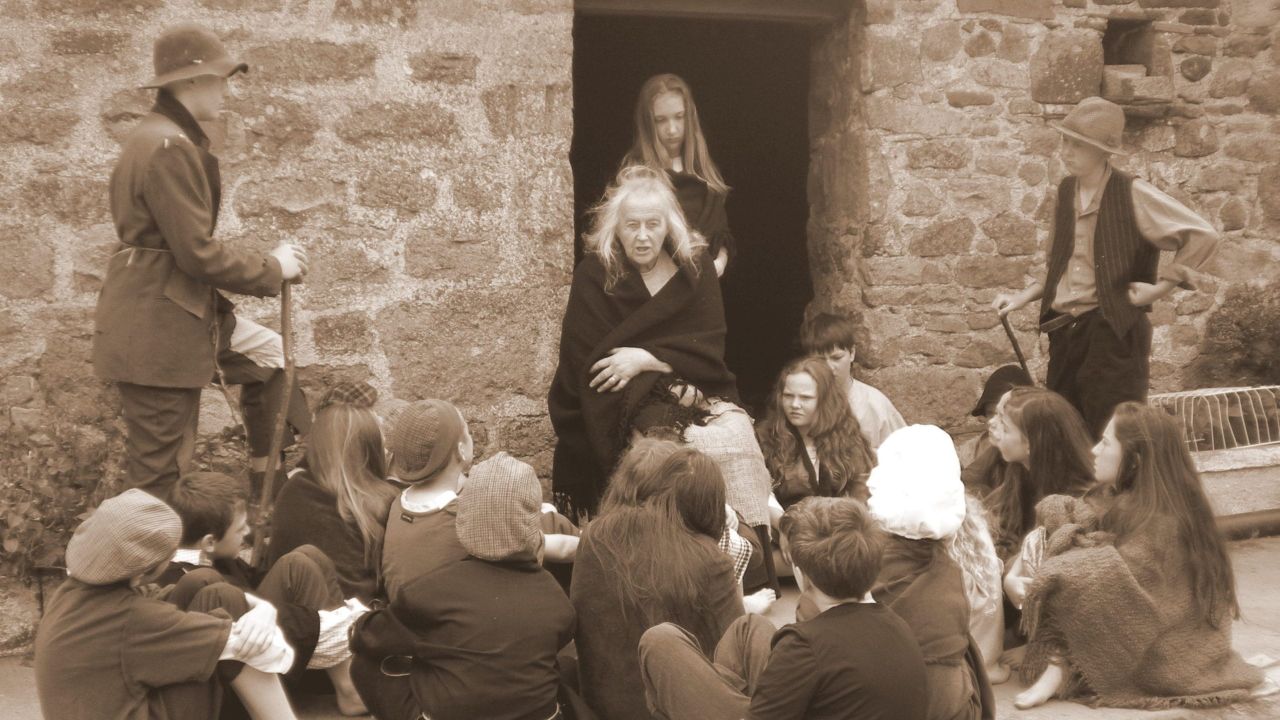
Gaelic epic poems grew from an oral tradition. Bards memorized long verses and performed them at feasts, gatherings, and ceremonial events. People didn’t read poetry silently. They listened, responded, and remembered.
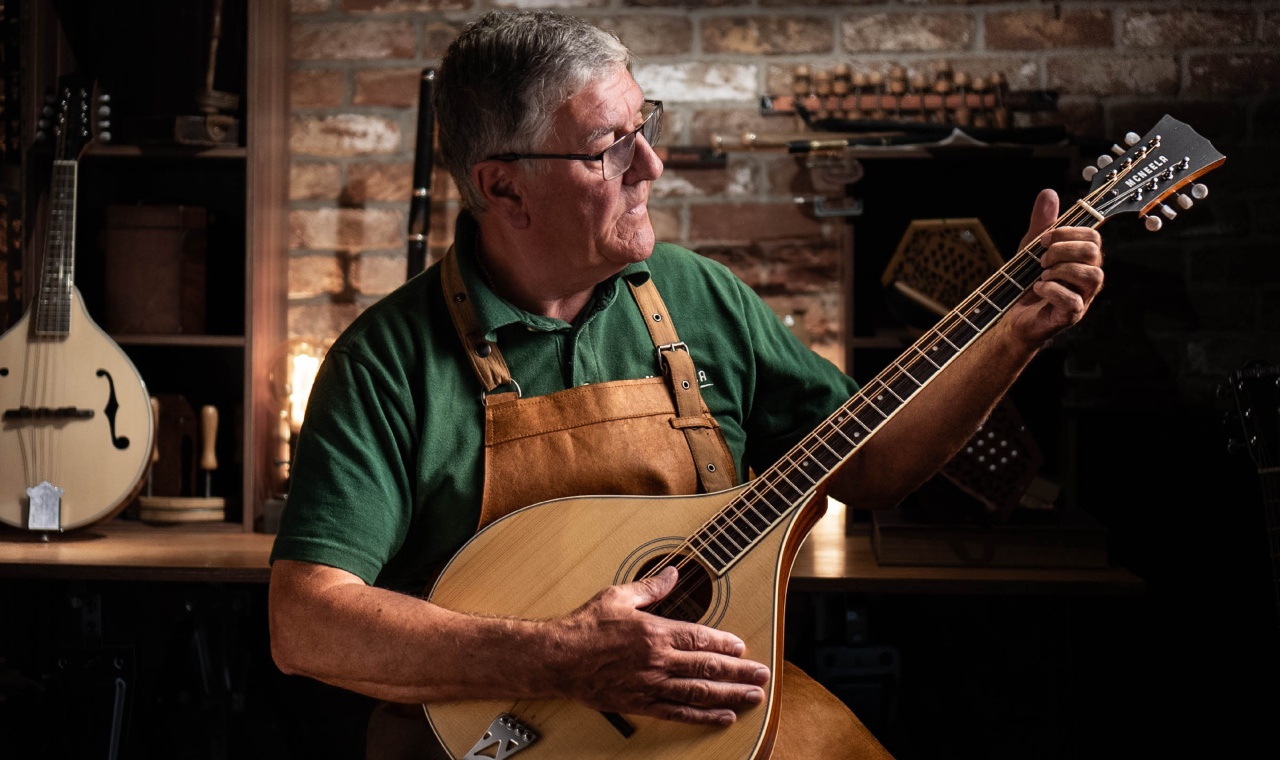
Music supported many of these performances. Instruments like the clarsach (Celtic harp) shaped rhythm and emotion. If that connection fascinates you, explore the role of the harp here:
➡️ What Is a Clarsach?
Poetry, music, and community formed one living tradition, not separate arts.
Themes That Travel Through Time
These poems rarely focus only on battle. They explore loyalty, kinship, fate, exile, and the fragile line between the human world and the supernatural. The landscape becomes a character. Rivers speak. Hills remember. Spirits intervene.
This worldview echoes across Celtic folklore, from sacred wells to legendary sites. You can sense the same mythic imagination here:
➡️ Hill of Tara
➡️ Cauldron of Dagda
Gaelic poetry never separates people from place. Heritage lives in land, names, and stories.
Heroes With Flaws and Hearts
Unlike modern heroes, Gaelic heroes often feel deeply human. They mourn, struggle with pride, and make costly decisions. Their vulnerability makes them relatable and unforgettable.
These poems also reflect cultural values. Honor means loyalty to kin. Strength matters, but wisdom matters more. Storytellers used heroic tales to guide communities, especially during times of hardship including difficult historical moments like famine and migration, explored here:
➡️ The Influence of the Irish Potato Famine
Epic poetry helped people make sense of loss while preserving resilience.
Language, Rhythm, and Memory
The Gaelic language itself shapes how these poems work. Repetition supports memory. Alliteration and rhythm create musicality. Listeners anticipate lines, and that anticipation builds emotional power.
This linguistic craftsmanship aligns with other Gaelic literary traditions you might enjoy exploring:
➡️ Scottish Gaelic Bible Translations
➡️ Gaelic Irish Proverbs
Language becomes heritage and poetry becomes preservation.
Epic Poems in Modern Life
What fascinates me most is how these ancient poems still feel relevant. They remind us that communities thrive when they remember their roots. They encourage reflection on identity, belonging, and courage.
Today, scholars, musicians, and artists continue to reinterpret Gaelic poetry. You see echoes of its themes in music, storytelling festivals, and cultural revival movements.
And if you love exploring deeper layers of Celtic tradition, our archive offers a wonderful next step:
➡️ Explore More on the Blog
Final Reflection
Gaelic epic poems stand at the meeting point of literature, history, and ritual. Each line reaches backward toward ancestors and forward toward future listeners. They remind us that storytelling isn’t just entertainment, it is a cultural heartbeat.
When we listen to these poems, we do more than study the past. We enter a conversation that has traveled across centuries and still invites us in.