The Legend of Deirdre of the Sorrows: Love and Tragedy in Celtic Myth

The story of Deirdre of the Sorrows ranks among the most poignant tales in Celtic mythology. Hailing from the Ulster Cycle, it explores the tragic intersection of love, fate, and prophecy. Deirdre is both a symbol of beauty and the inevitable suffering that accompanies destiny in Celtic thought.
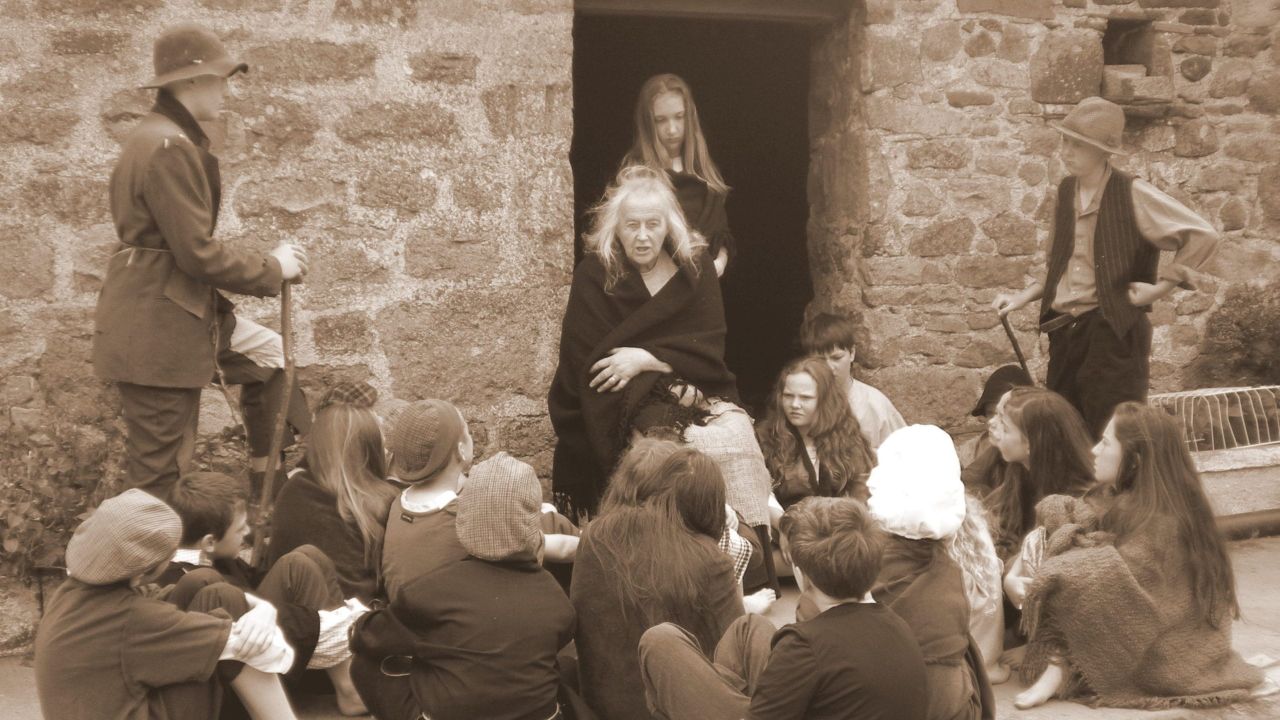
Her tale is not just a story of romance. It reflects deeper themes about choice, honor, and the consequences of human action, echoing narrative patterns found across Irish storytelling traditions:
https://celtguide.com/why-are-irish-people-natural-storytellers/
The Prophecy of Deirdre
Deirdre’s story begins before her birth. A druid predicts that she will grow into a woman of extraordinary beauty. Her charms will bring sorrow to Ulster and destruction to its kings. King Conchobar mac Nessa, intrigued and fearful, plans to raise her in isolation, intending to marry her when she comes of age.
Celtic myths often frame destiny as a force that humans cannot escape. This tension between fate and free will is a recurring theme, similar to the moral and supernatural challenges faced in the Green Knight tales:
https://celtguide.com/blog/
Deirdre’s Love and Rebellion
As Deirdre matures, she falls in love with Naoise, a warrior of Ulster. Defying King Conchobar, she elopes with Naoise and his brothers. Their flight exemplifies the Celtic ideal of courageous love against unjust authority.
The narrative emphasizes loyalty, bravery, and the human desire to shape one’s destiny, even when prophecy looms. These elements mirror lessons from other Celtic myths where heroes and heroines navigate the demands of both society and the supernatural:
https://celtguide.com/selkies-in-folklore/

Betrayal and the Return to Ulster
Despite their daring escape, Deirdre and Naoise are betrayed. King Conchobar lures them back to Ulster under false promises of safety. Once back, tragedy unfolds. Naoise and his brothers are murdered, fulfilling the grim prophecy.
This narrative arc reflects a central theme in Celtic storytelling: actions have consequences, and even the noblest rebellion can collide with fate. Similar moral structures appear in tales about the Cauldron of Dagda, where power and responsibility intersect:
https://celtguide.com/cauldron-of-dagda/
Deirdre’s Final Choice
Deirdre faces an impossible choice. She cannot reclaim love or escape the prophecy. In some versions, she takes her own life, refusing to be possessed by Conchobar. Her death cements her status as a tragic heroine, symbolizing both resistance and the human cost of destiny.
The story resonates with Celtic cultural values, where honor, loyalty, and courage often outweigh personal happiness. It reminds us that tragedy can carry profound meaning.
Why Deirdre of the Sorrows Endures
Deirdre’s legend endures because it intertwines emotional depth with moral and cultural lessons. She embodies the timeless tension between love and duty, freedom and fate. Celtic myths often use tragic figures to convey lessons about life’s impermanence and the necessity of honor in human relationships.
Exploring Deirdre’s story complements broader studies of Celtic heroes and heroines, such as those highlighted in the Battle of Moytura or tales of the Green Knight:
https://celtguide.com/why-are-irish-people-natural-storytellers/
Final Reflections
Deirdre of the Sorrows is more than a tragic figure. She represents the intertwining of human passion with the inexorable flow of destiny. Her story speaks across centuries, reminding readers of the power of courage, loyalty, and moral choice in the face of unavoidable fate.
Through her narrative, Celtic mythology continues to teach, challenge, and inspire, preserving the richness of Ireland’s storytelling heritage.