Clan Grant Legends: Myths, Memory, and Highland Honor

The history of Scotland’s clans cannot be read only in legal charters or battlefield records. It also survives in legend. Clan Grant, rooted in the heart of the Highlands, offers a compelling example of how myth and memory preserve identity across centuries.
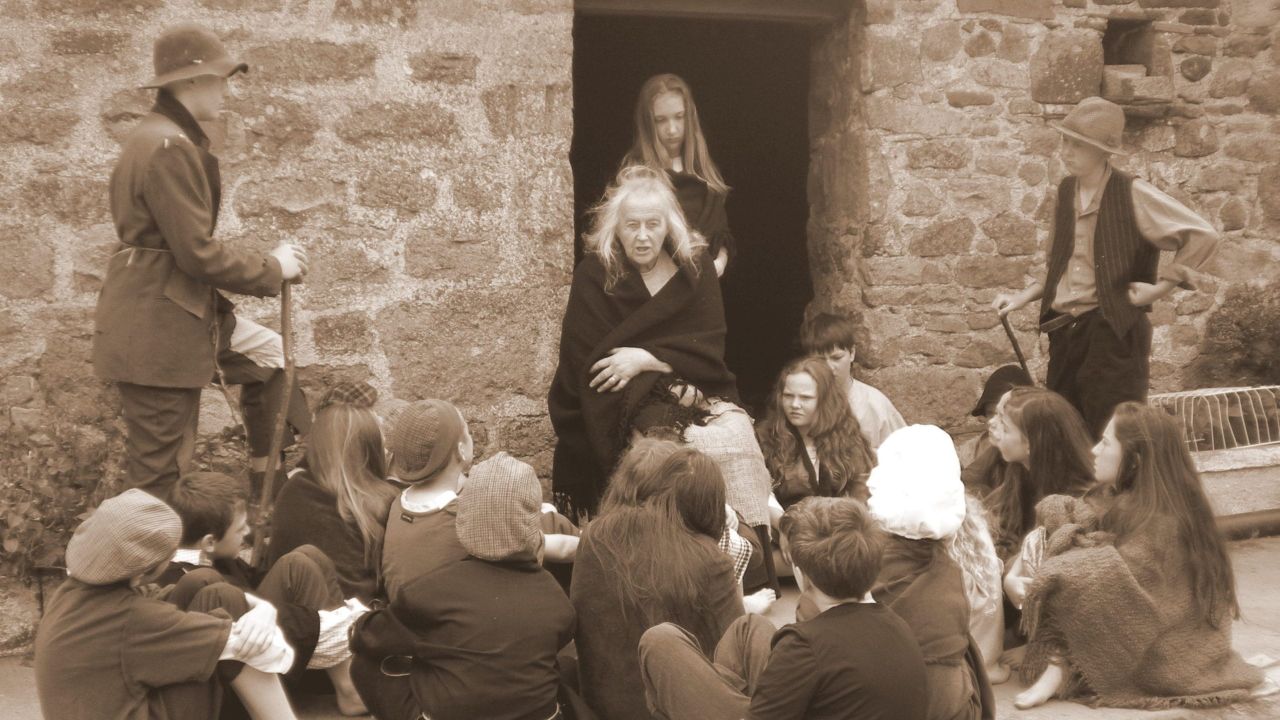
These legends do more than romanticize the past. They explain how communities understood leadership, loyalty, and survival. In Celtic cultures, storytelling functioned as a living archive, a tradition explored in depth in why Irish people are natural storytellers.
The Origins of Clan Grant in Story and Record
Clan Grant emerged in Strathspey, a fertile Highland region shaped by rivers, forests, and seasonal movement. Historical evidence suggests Norman-Gaelic roots, yet legend fills what history leaves unsaid. Early tales portray the Grants as law-keepers and land guardians, entrusted with balance rather than domination.
These stories align with broader Highland clan traditions, where kinship mattered more than conquest. For a wider context, see how many Scottish clans and how lineage shaped Scottish society.

The Fiery Cross and the Call of Duty
One of the most powerful Clan Grant legends centers on the Fiery Cross. Messengers carried a charred wooden cross from settlement to settlement to summon warriors. The signal demanded immediate response. No written order followed it. The symbol alone carried authority.
This legend emphasizes speed, unity, and shared responsibility. It also reflects a wider Highland practice that bound belief with action. Such traditions reinforced loyalty without bureaucracy, a necessity in rugged landscapes and uncertain times.
Tartan, Identity, and Visual Memory
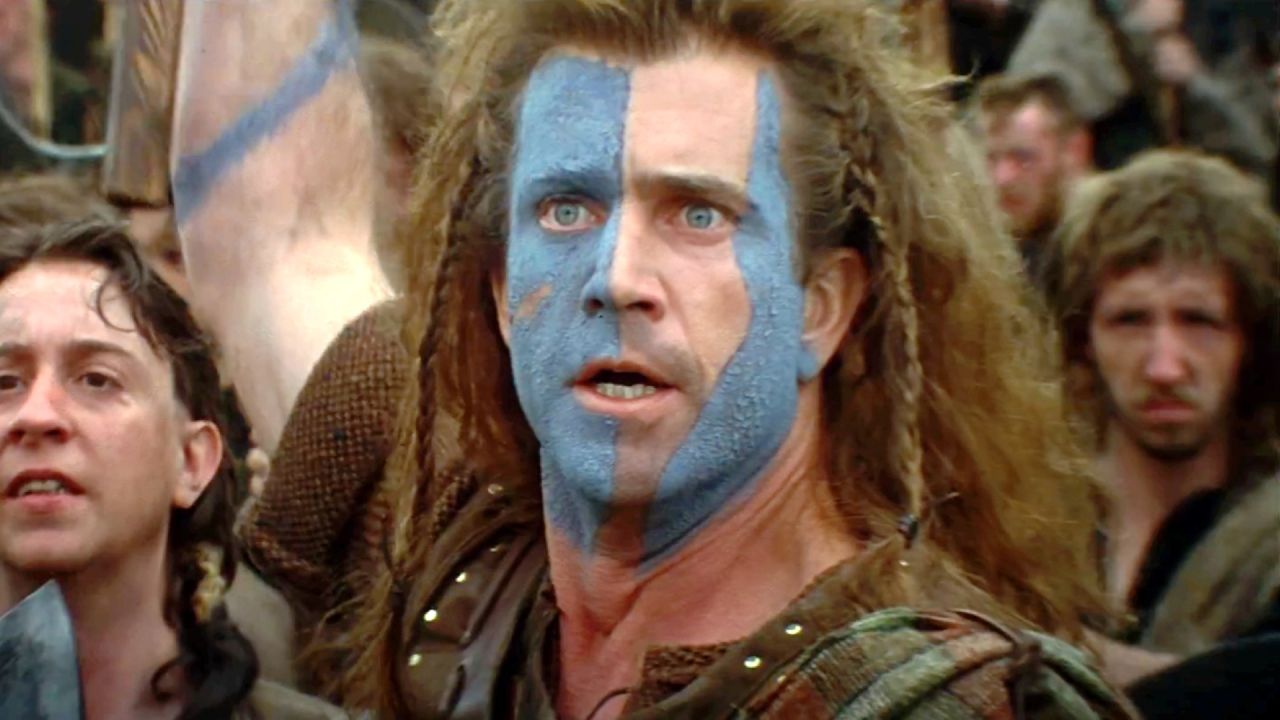
Clan Grant tartan served as more than decorative dress. It worked as a visible language. In legend, warriors recognized allies through color and pattern in mist-covered glens. Each stripe represented belonging.
To understand this symbolism more fully, readers may explore what is tartan and its historical development in how long has the tartan prints been around.

Music as a Keeper of Clan Memory
Clan Grant legends survived because people performed them. Music carried memory where manuscripts failed. The clàrsach, or Celtic harp, often accompanied noble households, reinforcing lineage and ceremony (see what is a clàrsach).
Drums such as the bodhrán added rhythm to spoken verse and communal gatherings, strengthening oral tradition (the bodhrán drum). Through sound, history became shared experience rather than private record.

Moral Structure Within Clan Grant Legends
Clan Grant legends rarely celebrate unchecked power. Instead, they praise restraint, justice, and hospitality. Chiefs appear as stewards rather than rulers. Betrayal results in loss of honor. Loyalty earns remembrance.
This moral structure mirrors broader Gaelic ethical traditions, preserved through sacred texts and oral teaching, including those discussed in Scottish Gaelic Bible translations.
Legend functioned as education. It taught values without formal instruction.
Clan Grant Legends in the Modern Highlands
Today, Clan Grant legends remain active through Highland Games, heritage societies, and family research. These gatherings do not freeze tradition in time. They renew it. Events like those outlined in Highland Games traditions allow stories to move forward with each generation.
For descendants, these legends offer continuity. For scholars, they provide insight into how communities remember themselves.
Why Clan Grant Legends Still Matter
Clan Grant legends endure because they speak to universal concerns: belonging, duty, and memory. They remind us that history survives not only through documents, but through people who choose to remember.
In studying these legends, we do not step away from reality. We step deeper into it.