Celtic Warrior Queen Boudica: Strength & Legacy

Every culture carries stories about leaders who rise during moments of crisis. For the ancient Celts, Boudica, queen of the Iceni, stands at the centre of that tradition. Her revolt against Roman occupation in the 1st century CE remains one of the most powerful examples of resistance in European history. When I studied Celtic narratives at the University of Edinburgh, I often returned to Boudica’s story because it shows how memory and identity shape each other over centuries.
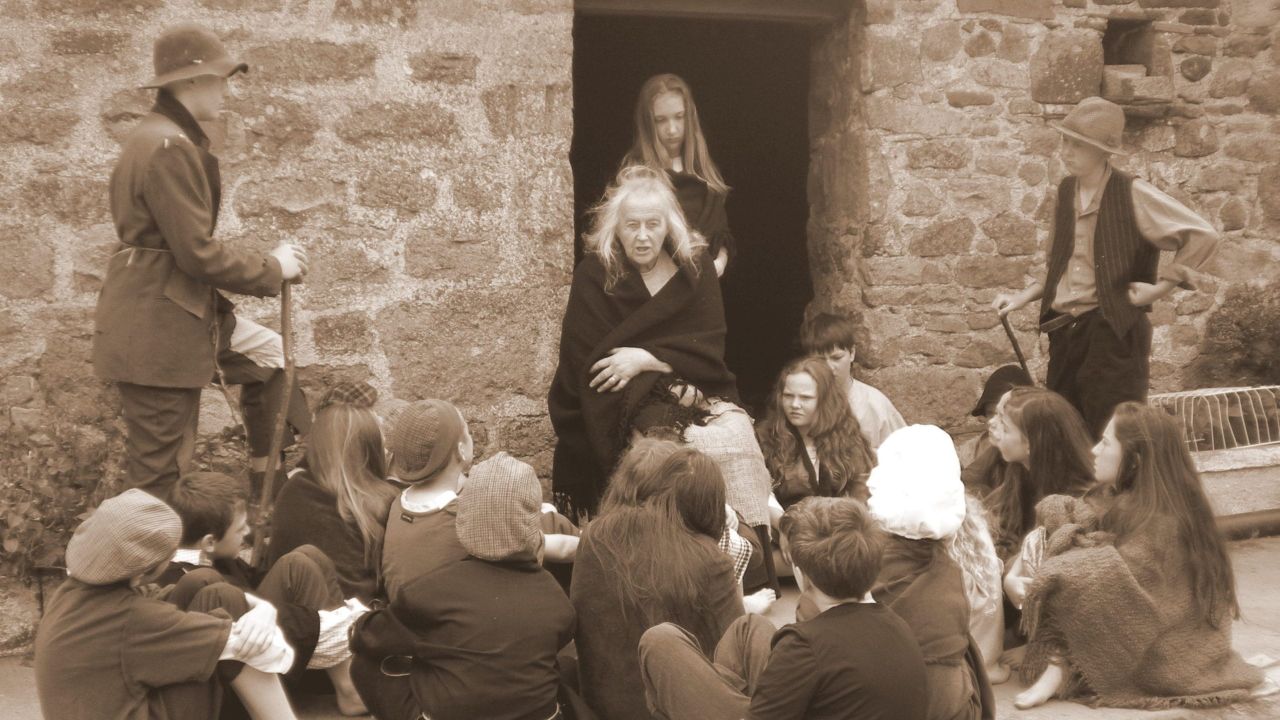
If you enjoy the way stories shape cultures, you may also like our reflection on Why Irish People Are Natural Storytellers.
Who Was Boudica?
Boudica ruled the Iceni tribe in eastern Britain. After her husband’s death, Rome tried to seize Iceni land and enforce direct control. The Romans assaulted Boudica and her daughters, hoping to silence the tribe. Instead, they ignited a rebellion that spread across Celtic Britain.
Her story echoes other moments where hardship reshaped Celtic identity, similar to the cultural shifts explored in The Influence of the Irish Potato Famine.
Why Boudica Sparked a Rebellion
Roman occupation strained every Celtic kingdom in Britain. Many tribes saw their sacred sites, laws, and honour threatened. Boudica spoke to the anger that had been building for years. She rallied tribes with a message that blended justice, memory, and pride.
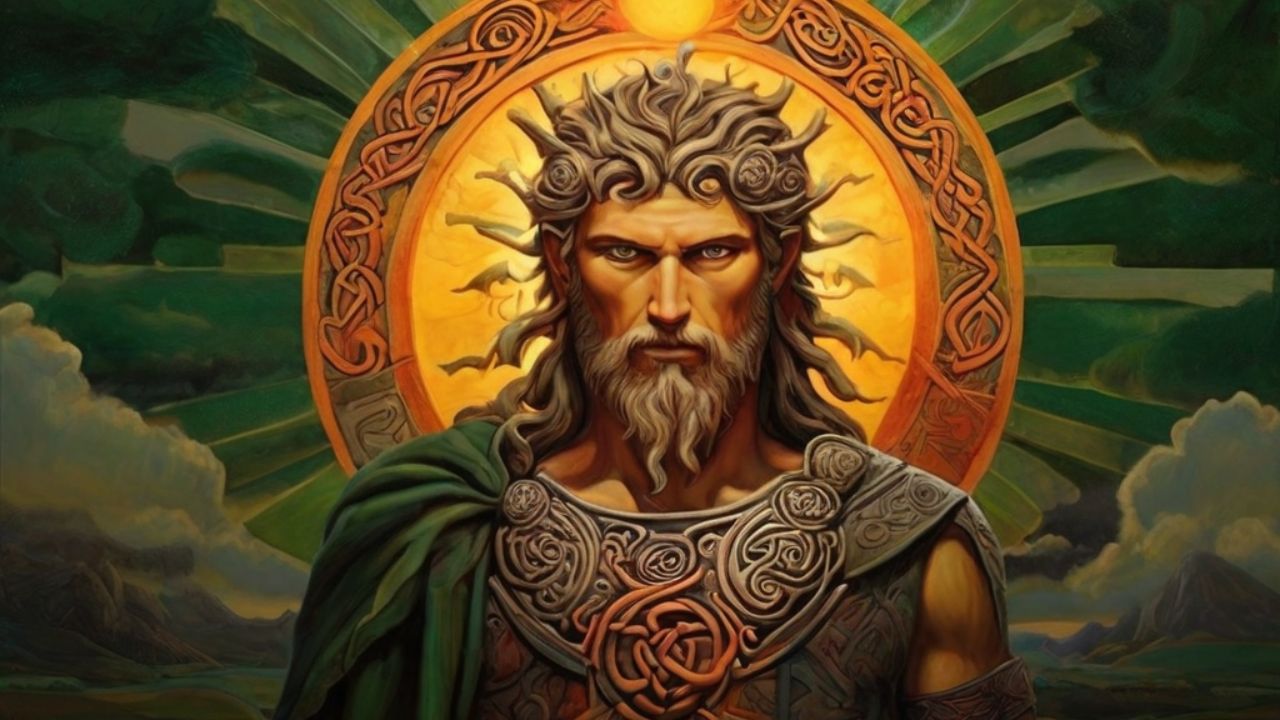
Her leadership fits into the long tradition of bold Celtic figures, much like the mythic heroes connected to the Celtic Sun God Lugh explored here:
Celtic Sun God Lugh.

The Rebellion: A Turning Point in Celtic Resistance
Boudica and her allies struck fast. They attacked Roman centres at Camulodunum, Londinium, and Verulamium. Their early victories shocked Roman forces and showed how powerful Celtic unity could be. Accounts describe warriors painted for battle, armed with spears, long swords, and chariots.
If you’re curious about traditional weapons in later Celtic history, explore our guide to
What Is a Dirk Knife?.
The revolt eventually collapsed under a highly trained Roman army. Yet Boudica’s campaign lived on as a symbol of defiance rather than defeat.
Boudica’s Cultural Legacy
Boudica became more than a historical figure. She evolved into a cultural mirror—reflecting Celtic courage, sovereignty, and the voice of women in leadership. Her story appears in folklore, art, and modern politics. Even landscapes in Britain still whisper her name, much like many Celtic places do, such as those explored in our guide to The Legend of the Fairy Glen.
Scholars debate where she died, but her memory survives in stone memorials, poems, and local traditions. This continuity feels similar to the preservation seen in Celtic Stone Carvings.
Why Boudica Still Matters
Celtic cultures hold a strong sense of identity. Many tribes organised themselves through kinship, honour, and shared memory, which you can explore in our article How Many Scottish Clans?. Boudica’s leadership offers insight into how Celtic societies valued strength, loyalty, and collective action.
Her story also challenges assumptions about women in ancient warfare. Celtic women held positions of influence, participated in governance, and sometimes led armies. You see echoes of that agency in Celtic music, dance, clothing, and even spiritual beliefs, threads woven throughout the Celtic world, as seen in
These traditions show how creativity and mythology help communities remember their values.
Boudica in Modern Culture
Films, novels, and documentaries continue to revisit her story. She stands beside other iconic figures of Celtic heritage, much like the heroes and creatures explored in The Linton Worm. Whether portrayed as a fierce commander or a grieving mother who refused silence, each retelling adds new layers to her legend.
Boudica’s presence in contemporary Celtic identity also aligns with the fascination surrounding tartan symbolism, explored in How Long Has the Tartan Print Been Around?.
A Queen Who Shaped Celtic Memory
Boudica remains one of the most enduring figures in Celtic history. She fought for sovereignty, dignity, and the right of her people to stand against exploitation. Her legacy continues to inspire scholars, artists, activists, and anyone drawn to the fierce heart of Celtic culture.
To explore more Celtic stories, landscapes, and traditions, visit the complete
CeltGuide Blog.