Brogues: The Timeless Footwear of Celtic Tradition

Introduction
When one imagines Scottish or Irish heritage, the mind often turns to kilts, tartan, and music. Yet, beneath those iconic garments lies another symbol of Celtic ingenuity, the brogue. Once designed for practicality in boggy landscapes, brogues have evolved into fashion staples across the world. Their journey from the peatlands of Ireland and Scotland to international runways is a story of resilience, adaptation, and enduring style.
The Origins of Brogues
The word brogue comes from the Gaelic bróg, meaning “shoe.” Traditionally crafted from untanned leather, brogues were perforated with small holes, an ingenious design allowing water to drain after traversing marshes and fields.
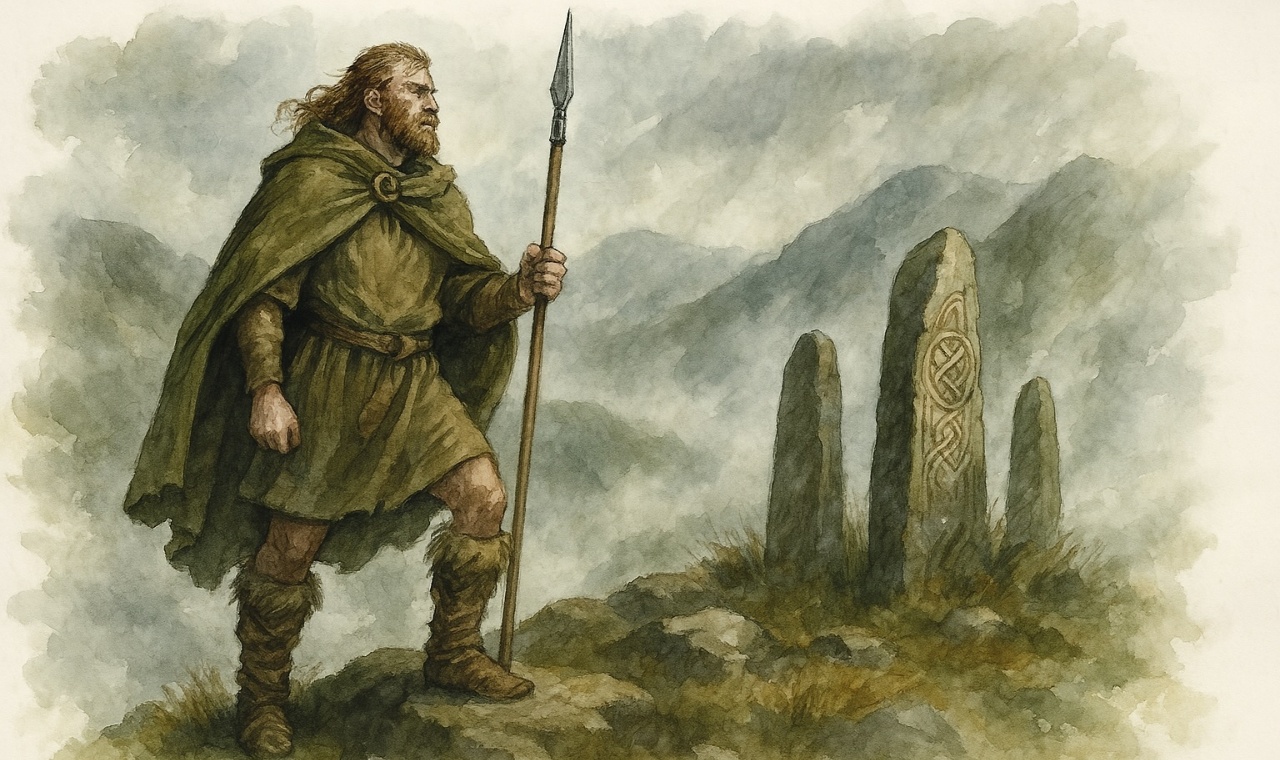
Just as Celtic stone carvings preserved the stories of early artistry, brogues preserved the story of survival and resourcefulness. They were not ornamental at first; they were practical tools for farmers, hunters, and travelers navigating the damp landscapes of the Highlands and Ireland.
Brogues in Scottish and Irish Heritage
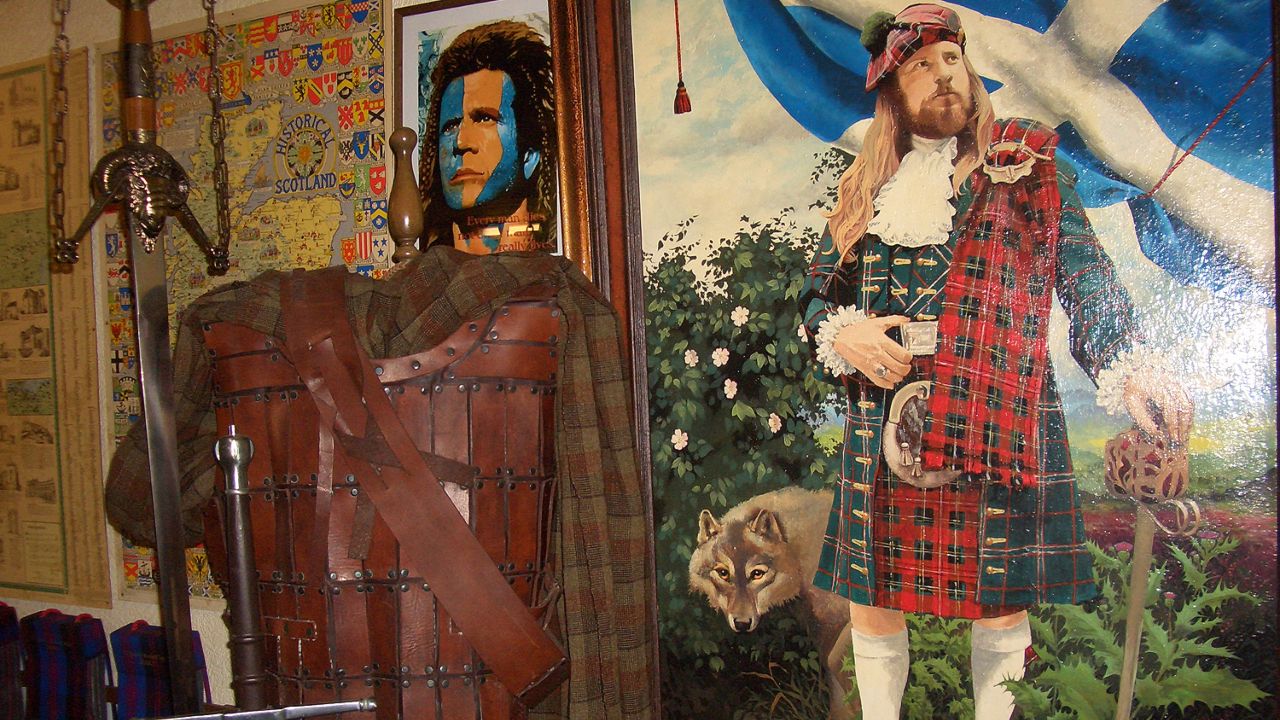
Brogues became closely tied with Celtic identity. In the Scottish Highlands, they were worn alongside kilts, much like the tartan sash symbolized clan pride. In Ireland, they were part of rural life, reflecting the same spirit of endurance seen in cultural milestones like the Irish Potato Famine.
Their association with practicality meant they were once considered inappropriate for formal occasions. Ironically, today they are regarded as some of the most elegant and versatile shoes available.

The Evolution into Fashion
The transformation of brogues from utility to style parallels how the tam o’shanter hat shifted from soldier’s headwear to a symbol of heritage. By the 20th century, brogues entered mainstream fashion, admired for their craftsmanship and unique design.
Design variations soon appeared:
- Full brogues (wingtips) – with W-shaped perforations.
- Semi-brogues – with decorative perforations across the toe cap.
- Quarter brogues – with minimal ornamentation.
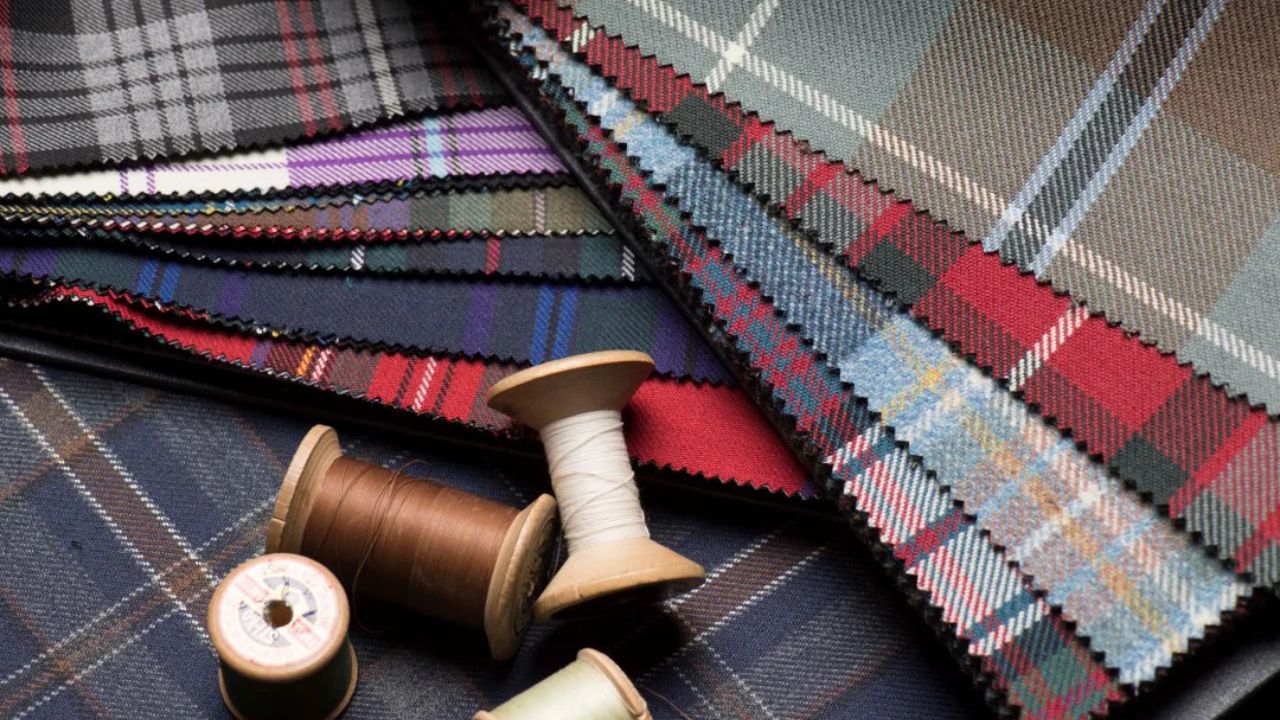
This adaptation echoes how tartan prints evolved, bridging tradition and modernity.

Brogues in Music, Dance, and Performance
Footwear in Celtic culture has always been connected with rhythm and performance. From Irish céilí dances supported by céilí bands to Scottish Highland reels accompanied by the bodhrán drum, brogues were not only protective but also functional in dance.
The sound of brogues striking wooden floors carried rhythm—just as fiddle music echoes through cultural memory today.

Symbolism and Identity
Brogues symbolize adaptability and endurance, much like the Celtic oak tree, which represents strength in Celtic mythology. Their continued presence at weddings, Highland Games, and cultural festivals mirrors how other Celtic symbols like the Claddagh ring embody both heritage and personal identity.

Modern Brogues: Tradition Meets Global Style
Today, brogues are no longer confined to rural Celtic landscapes. They are worn worldwide in both formal and casual settings. From business attire in Edinburgh to street fashion in New York, they maintain their dual identity both functional and symbolic.
Their adaptability ensures that they remain as timeless as tartan shawls, carrying Celtic tradition into the modern world.

Conclusion
Brogues embody the essence of Celtic heritage: practicality transformed into elegance, tradition woven into modern identity. From the bogs of Ireland and Scotland to global catwalks, they continue to symbolize resilience, adaptability, and style. Much like storytelling in Celtic culture—whether through Irish folklore or Gaelic proverbs—brogues carry the spirit of the past while stepping firmly into the future.