Black Watch Regiment: Origins, Battles and Legacy
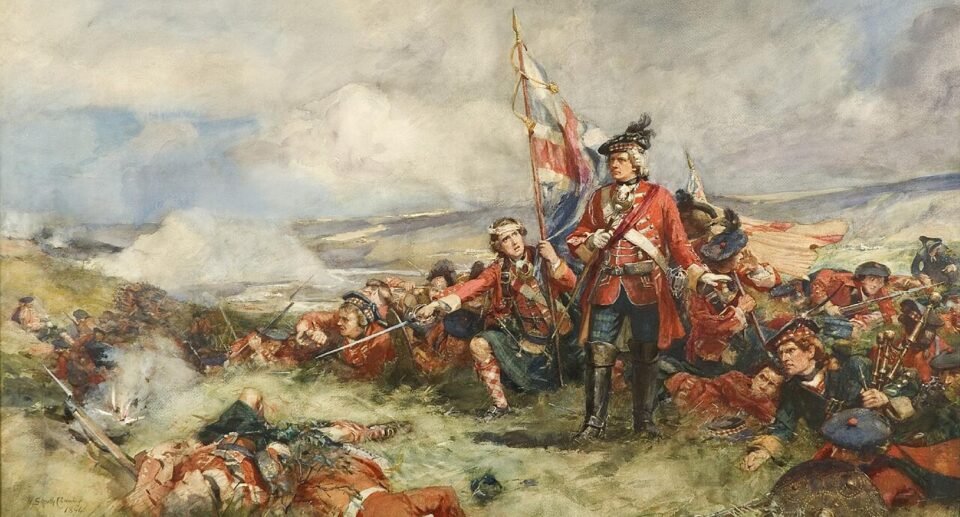
The Black Watch began as Highland companies raised to police the Highlands after the Jacobite rising of 1715. They became a British Army regiment in 1739 and were later numbered the 42nd Foot. Their dark tartan, red hackle and long record of service made the name famous. The history also includes difficult questions: the companies enforced government policy among other Highlanders, soldiers resisted overseas deployment in 1743, and the regiment fought in Britain’s imperial wars. Its story is richer than a simple tale of Highland bravery.
How was the Black Watch formed?
From 1725, six Independent Highland Companies recruited from families regarded as loyal to the Hanoverian government. They were posted in detachments to discourage raids, enforce laws against carrying weapons and watch communities after the 1715 rising. In 1739 George II authorised four more companies and brought the force together as a regiment of the regular army; its first muster followed near Aberfeldy in 1740. This sequence is described by The Black Watch Museum and the National Army Museum.
Highland recruits served the state, but that did not mean the whole Highlands supported the state’s policies. Jacobite and government loyalties divided communities and even families. Calling these soldiers “the Black Watch” recalls their job as watchers, while also pointing to the dark colours of their uniform. Stories that confidently assign the name to only one cause go beyond the evidence.
Why was it called the 42nd?
When the companies became a line infantry regiment, they entered the army’s numbered system. The unit was initially ranked the 43rd Foot and took the number 42 in 1749 after the earlier 42nd was disbanded, according to the National Army Museum. In later years “the 42nd” became an enduring shorthand for the regiment, even as its official title changed. The numerical history is one reason dates on museum labels and older accounts can look inconsistent.
The tartan was also a marker of identity. The museum describes the early uniform as a dark plaid with scarlet jacket and blue bonnet. Later versions, reproductions and modern commercial fabrics should not be assumed to reproduce every shade or detail of eighteenth-century dress. The distinctive red hackle in the bonnet was adopted in the 1790s, after the regiment’s formation.
What happened in the Black Watch mutiny of 1743?
The regiment had been ordered south to London. Some soldiers believed they had enlisted to serve only in Scotland, and rumours of a move to the West Indies helped spark distrust. More than a hundred men left and marched north before being stopped. A court martial followed. Three soldiers were executed at the Tower of London; the National Army Museum’s record of Samuel McPherson names him alongside Farquhar Shaw and Malcolm McPherson.
The mutiny does not erase the regiment’s subsequent service, but it challenges the idea that a celebrated military unit had one shared view of duty. These men faced an unfamiliar army system and the possibility of serving far from the Highlands. The majority were pardoned and assigned elsewhere, while three paid with their lives. Their story belongs beside the battle honours.
Where did the regiment fight?
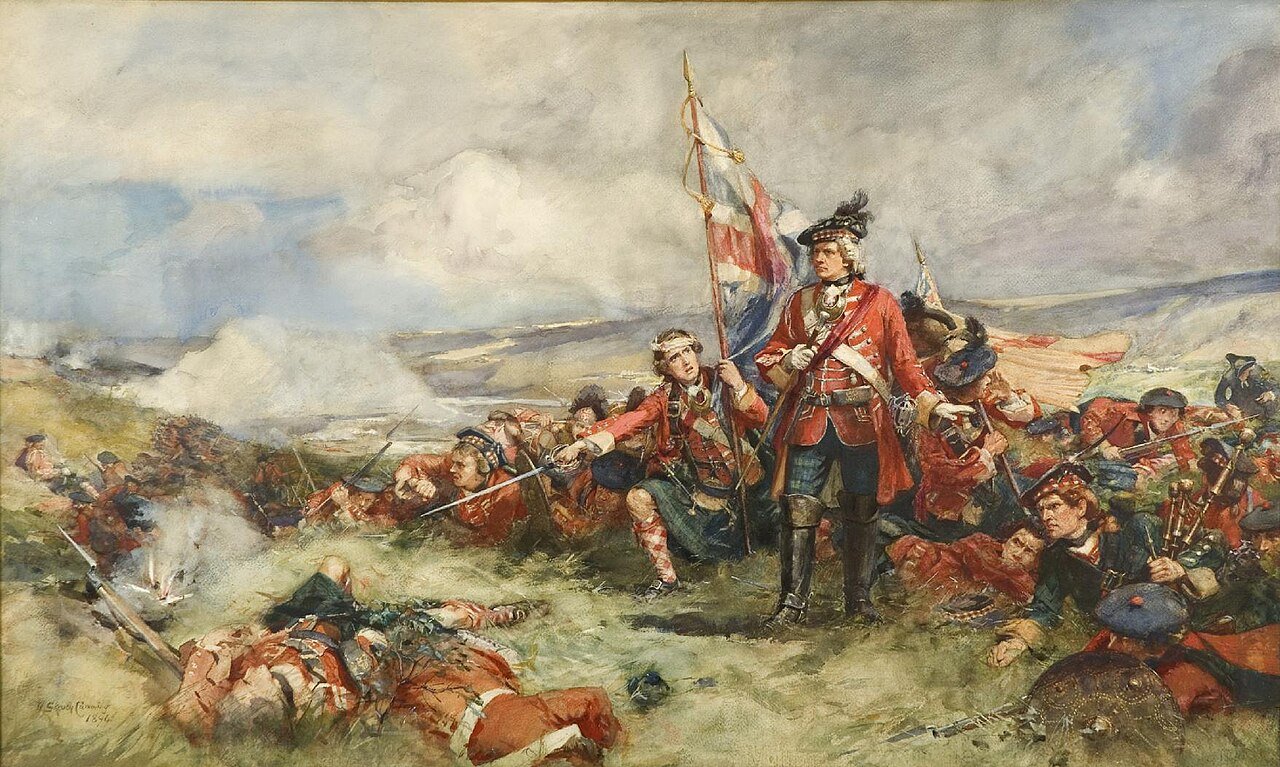
The Black Watch fought at Fontenoy in 1745, in North America during the Seven Years’ War and the American War of Independence, and in the campaigns against Napoleon. The 42nd and the 73rd both served in the Waterloo campaign. Later service included Crimea, India, Egypt, South Africa and the two world wars. The National Army Museum’s timeline gives the major stages and records that more than 8,000 members died in the First World War.
This geography is a history of British expansion as well as of Scottish soldiers. Regimental accounts rightly preserve individual courage and loss, but a complete account also asks what each campaign meant for people in the places where the army fought. For example, imperial warfare in India cannot be understood only through the experiences of the soldiers sent there. The regimental museum’s collection can be read alongside histories written from those other perspectives.
How did the Black Watch change in 1881 and 2006?
In the army reforms of 1881, the 73rd (Perthshire) Regiment was joined with the 42nd. The two became battalions of The Black Watch (Royal Highlanders). The 73rd’s earlier history is therefore part of the later regiment, though it should not be projected back onto the Independent Companies of 1725.
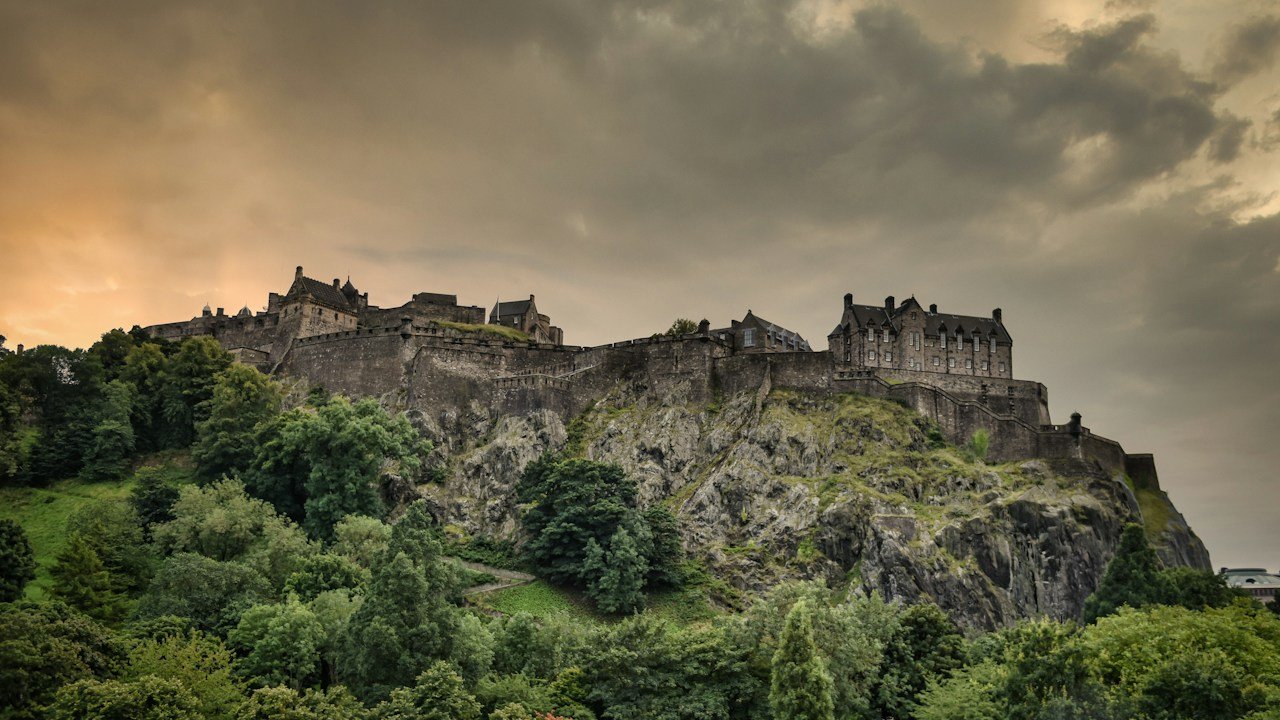
In 2006 The Black Watch was incorporated into the Royal Regiment of Scotland, becoming its 3rd Battalion. The name, traditions and records did not vanish with the administrative change. The museum at Balhousie Castle in Perth preserves objects and accounts from centuries of service, giving visitors a way to study the people behind the famous tartan and badge.
Questions readers often ask
Was the Black Watch a Jacobite regiment? No. Its original companies were raised from Highlanders considered loyal to the government after a Jacobite rising.
Did the Black Watch always wear kilts? Dress changed over time. The National Army Museum says the kilt remained part of everyday uniform until 1940.
Does the regiment still exist? The historic regiment was incorporated into the Royal Regiment of Scotland in 2006, where its name survives as the 3rd Battalion.
Beyond the tartan
The Black Watch connects Highland communities to three centuries of state power, war and memory. Start with its origins and the 1743 mutiny, then examine a particular campaign rather than treating all its battles as the same story. CeltGuide’s account of Prestonpans and the 1745 rising provides the Jacobite background against which the regiment’s early service must be understood.
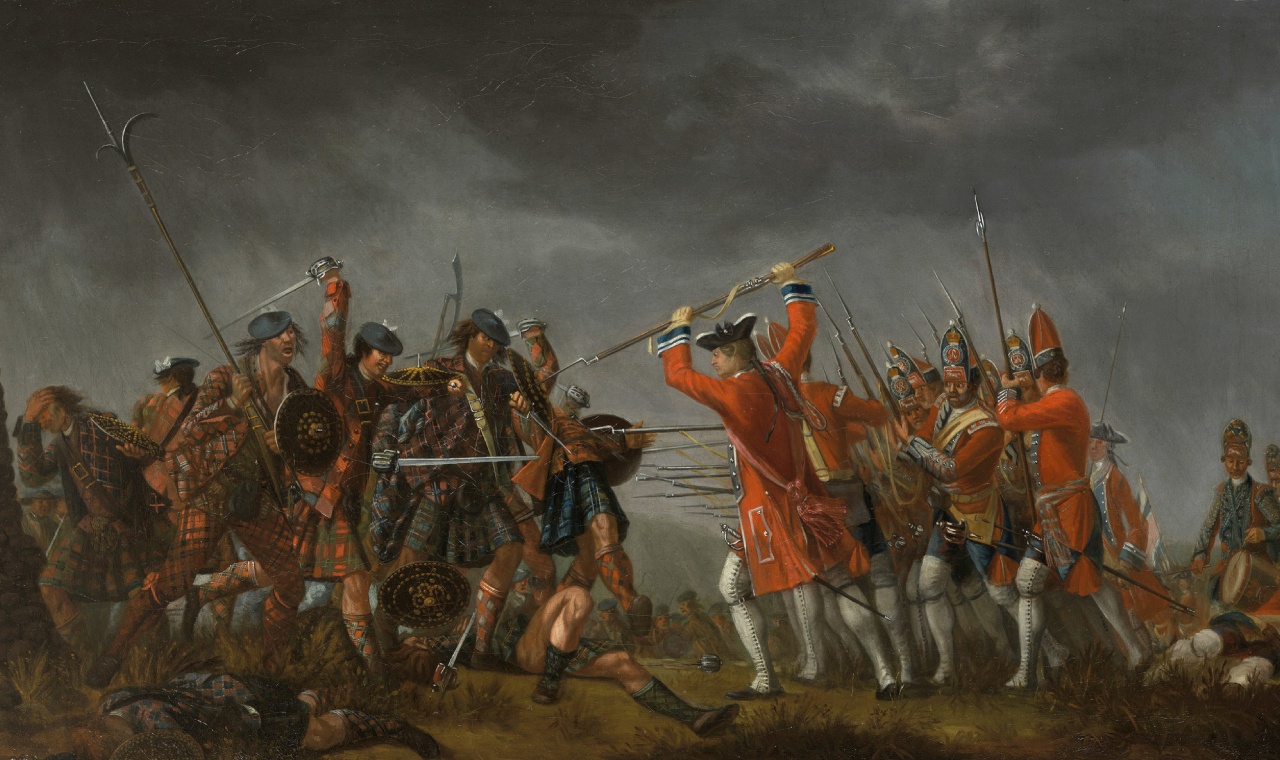
Featured image: “Black Watch at Fontenoy, 1745,” a historical painting reproduced via Wikimedia Commons (public domain).