Battle of Largs 1263: Norway, Scotland and the Isles
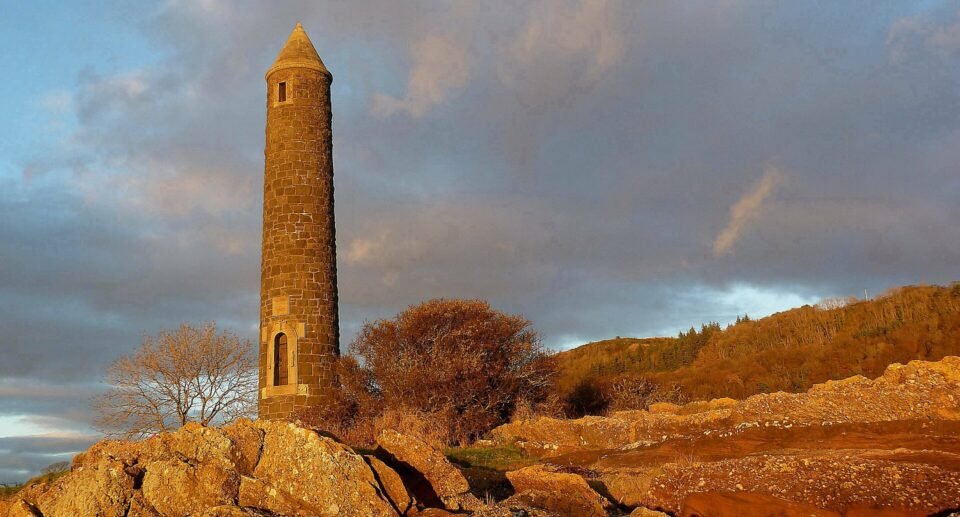
The Battle of Largs in 1263 was a clash between Scottish and Norwegian forces during a struggle over the western seaways. It was probably a limited, confused encounter rather than the annihilation of a vast Viking army. King Håkon IV of Norway withdrew after his campaign, died in Orkney that winter, and his successor ceded the Hebrides and the Isle of Man to Scotland under the Treaty of Perth in 1266. The treaty, more than a single day’s fighting, fixed the political result.
Why did Norway and Scotland contest the islands?
The Hebrides and islands of the Clyde had long connections to the Norse world. Scottish kings increasingly pressed claims to western territories, while Norway’s kings retained overlordship of islands and their rulers. These were inhabited, politically connected places, not empty prizes at the edge of two maps. Alexander III of Scotland and Håkon IV could not settle their competing claims through negotiation. Håkon sailed west with a fleet in 1263 to assert Norwegian authority.
His forces operated around the Firth of Clyde and attacked places including Bute. Historic Environment Scotland records the Norwegian capture of Rothesay Castle during the campaign. The fleet’s movement shows why control of ships, anchorages and weather mattered as much as a land battle. In a maritime kingdom, a storm could disrupt a campaign before commanders chose a place to fight.
What happened at Largs?
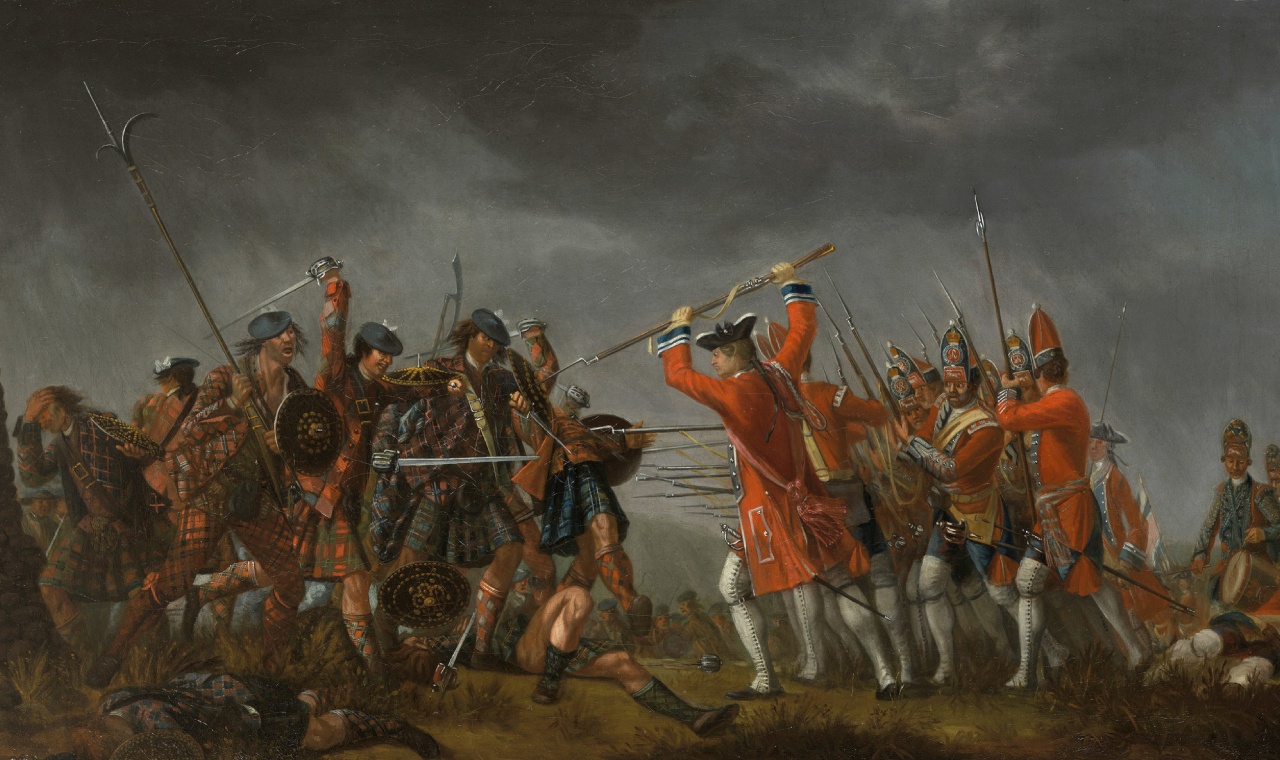
Stormy weather drove some Norwegian vessels ashore near Largs. Fighting developed between men from the ships and Scottish forces on land. Accounts differ over numbers and sequence, and later national stories enlarged the encounter into a sweeping battlefield triumph. Håkon’s army was not simply destroyed on the beach. The Norwegians recovered their dead and withdrew from the Clyde campaign as the season turned.
The Norwegian king went to Orkney and died there in December 1263. Historic Environment Scotland’s account of the Bishop’s Palace in Kirkwall places his death in the aftermath of the failed expedition. Calling Largs a Scottish victory is understandable in the longer campaign, but the immediate clash was less decisive than the familiar legend suggests.
How did the western isles become Scottish?
Negotiation after Håkon’s death produced the Treaty of Perth in 1266. Norway transferred its claims to the Hebrides and Man to the Scottish crown for payment, while Orkney and Shetland remained Norwegian. The change in overlordship did not erase Norse language, family connections or island political interests overnight. The Lewis Chessmen and the history of the Outer Hebrides offer further windows into the region’s Norse and Gaelic connections. The history of Skipness Castle traces the treaty’s place in this western story.
Later Scottish authority in the islands still depended on negotiation and force. The Lordship of the Isles became a powerful institution with its own history. Largs is therefore a chapter in a long reshaping of maritime power, not the moment in which every island suddenly became culturally identical to the mainland.
Questions readers often ask
Was Largs a battle against Vikings? It involved a thirteenth-century Norwegian royal expedition. “Viking” is a loose and often misleading label for these people and this period.
Did Largs itself give Scotland the Hebrides? No. The campaign’s failure altered the balance, but the formal transfer came through the Treaty of Perth in 1266.
Did Norway give up Orkney and Shetland? No. Those islands remained under Norwegian rule after the treaty.
A coastal battle with a wider horizon
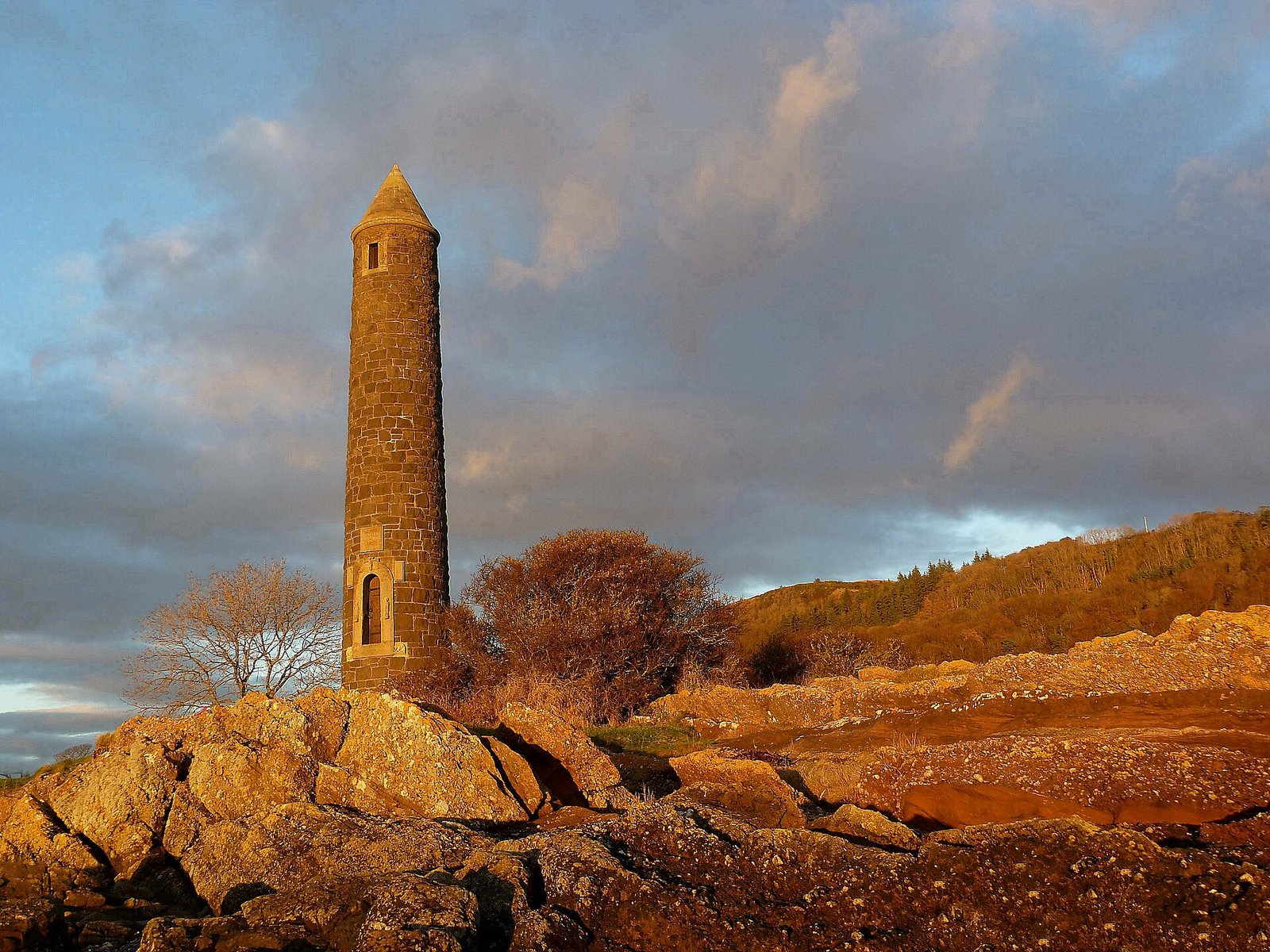
The monument known as the Pencil at Largs reflects the battle’s later place in public memory. The shore invites a broader view: ships, island communities, diplomacy and weather all shaped what happened. Looking beyond the familiar image of a decisive beach victory makes the history of Scotland’s western islands richer and more accurate.
Featured photograph: Raibeart MacAoidh / Wikimedia Commons, CC BY-SA 2.0. The site may crop it for the featured display.