Battle of Killiecrankie 1689: Victory and Dundee’s Death
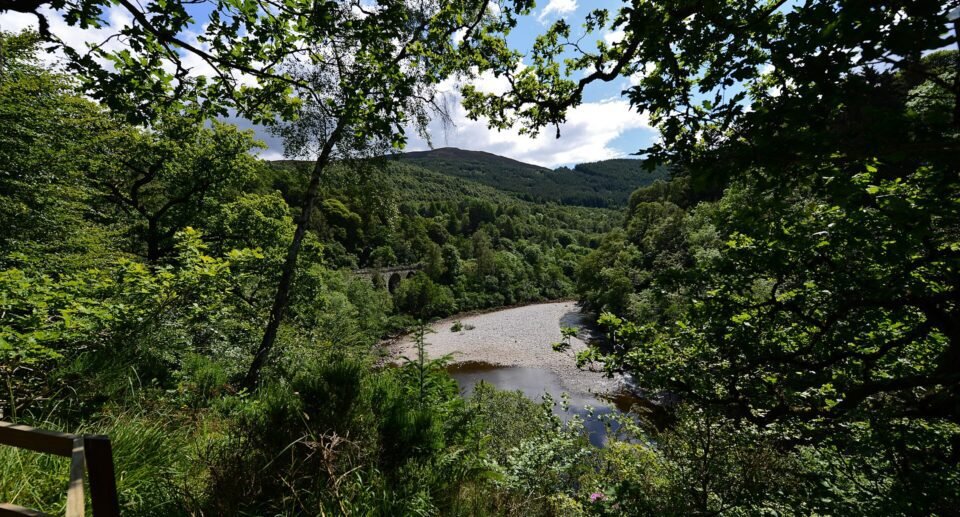
Killiecrankie was a Jacobite battlefield victory with a costly political result. On 27 July 1689, Highland forces led by John Graham of Claverhouse, Viscount Dundee, routed a government army under Hugh Mackay near the Pass of Killiecrankie in Perthshire. Dundee was killed, however, leaving the rising without its most effective leader. To understand why a victory did not secure the Stuart cause, it helps to place the battle in the crisis of 1688–89 and the difficult terrain of the pass.
Why was Scotland at war in 1689?
James VII of Scotland, also James II of England, lost his thrones after William of Orange’s arrival in 1688. William and Mary were accepted as monarchs in Scotland in 1689, but that settlement was contested. Dundee rallied supporters of the deposed king, drawing on Highland alliances and his own military experience. The name Jacobite comes from the Latin form of James. It describes a political allegiance, not a single clan or a uniform Highland identity.
Dundee also carried a divided reputation. Supporters called him Bonnie Dundee; Covenanter memories of his role in the government’s earlier repression were very different. A history that records only a romantic commander leaves out the people who feared him. Our overview of the Jacobite risings follows the movement beyond this first campaign.
How did the battle develop?
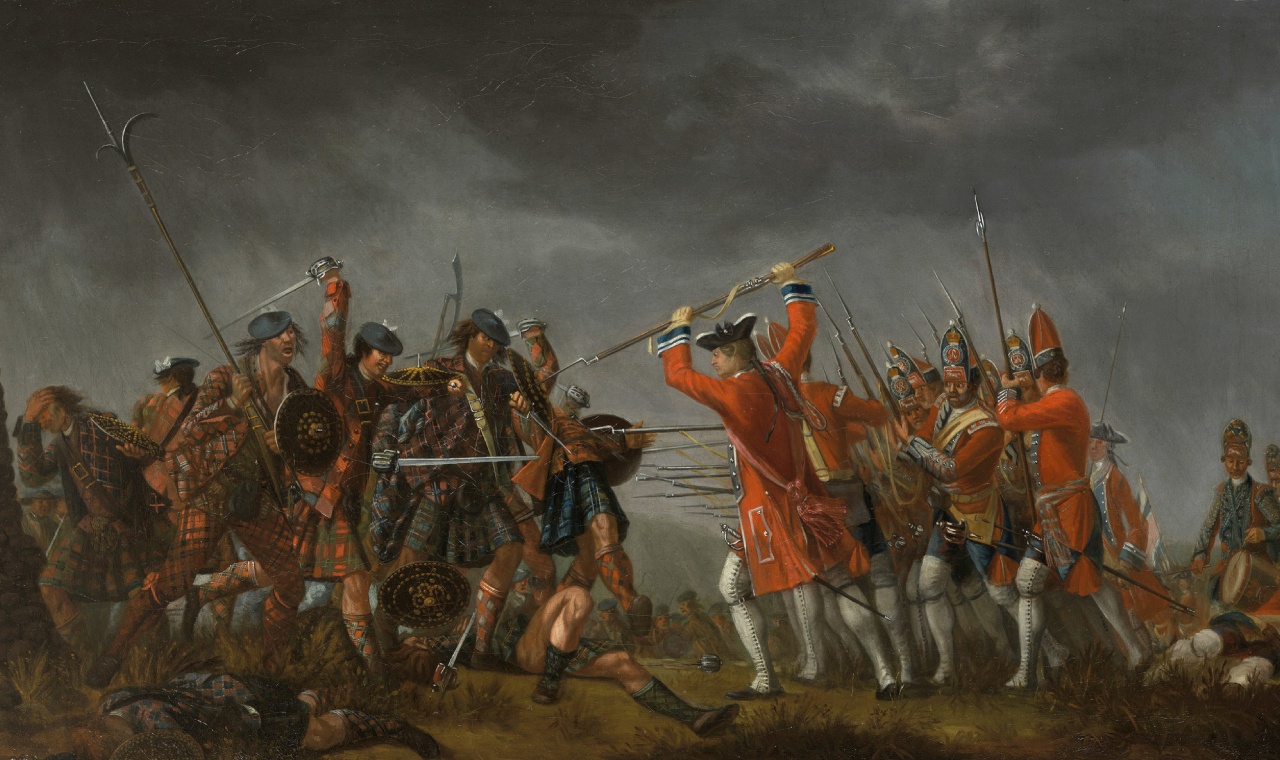
Mackay’s government force advanced through the narrow Pass of Killiecrankie. Dundee’s army occupied higher ground near the northern end of the pass. The opposing lines faced each other for hours before the Highlanders charged late in the day. The downhill assault broke much of Mackay’s line, but some government troops escaped and others fought their way out. The terrain both gave the Jacobites an attacking position and complicated pursuit.
The charge combined firearms and close combat; descriptions differ in their details, and it should not be imagined as an unchanging clan ritual. The battle’s archaeology and written sources have to be read together. Historic Environment Scotland’s battlefield inventory discusses the competing accounts and notes how the modern A9 crosses part of the charge’s line. For the tactic across different campaigns, see the Highland charge explained.
Why did a victory weaken the rising?
Dundee was fatally wounded during the battle. His death deprived the Jacobites of the commander who had assembled and manoeuvred the army. Victory on the field did not supply a replacement with the same authority over its varied supporters. The fighting continued under new leadership, including the confrontation at Dunkeld in August. The government retained resources and positions, and the first rising did not restore James.
Calling Killiecrankie a “Pyrrhic victory” captures the tension but can obscure the real achievement of the fighters who won it. The clearer point is that battlefield success and political success were separate. The loss of one leader mattered because the coalition and campaign were fragile, not because the charge itself failed.
What can visitors see today?
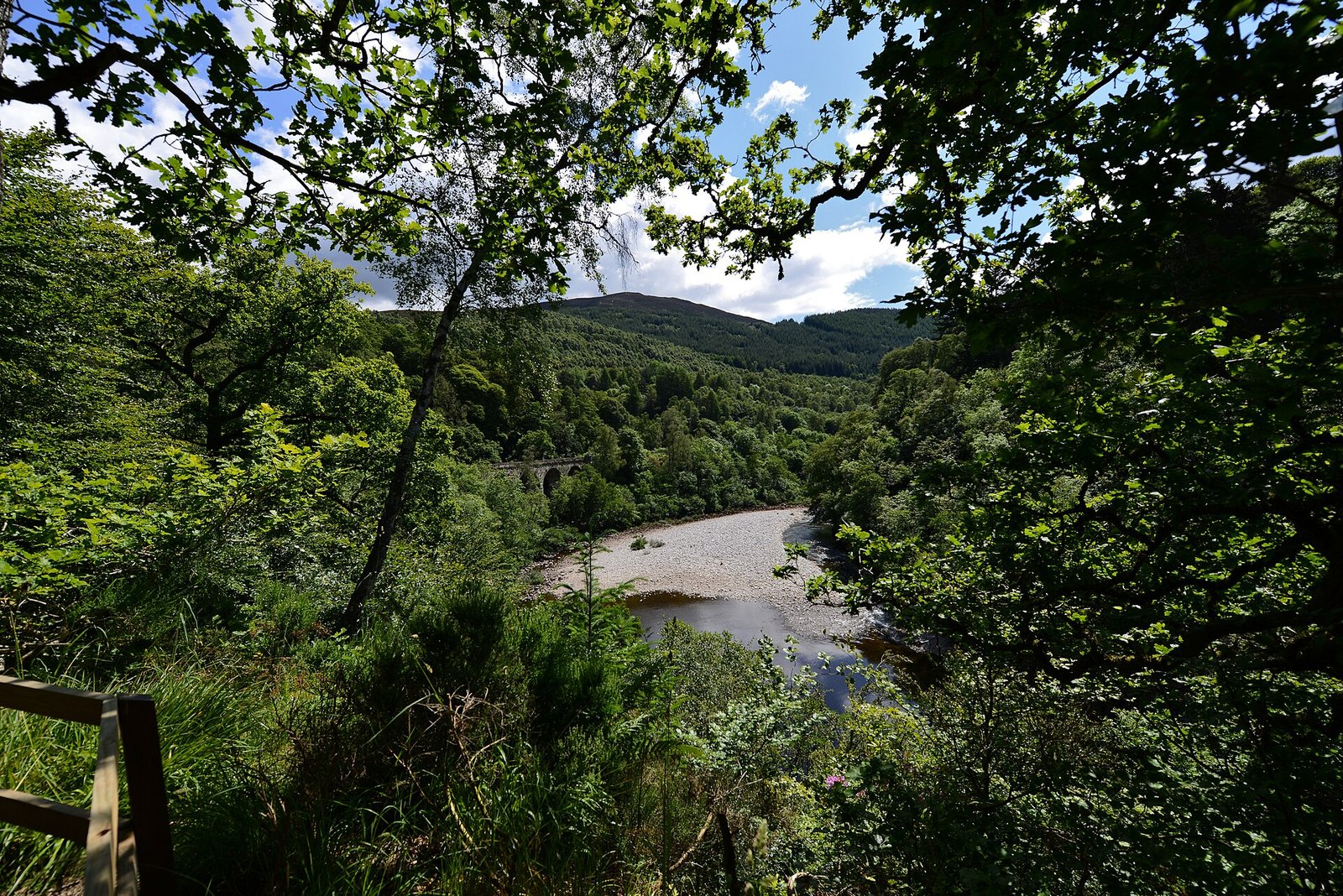
The wooded pass and surrounding slopes make the importance of movement and elevation easier to grasp, though today’s roads and vegetation differ from the 1689 landscape. The Soldier’s Leap is a famous local story of a government soldier escaping across the River Garry. Its exact details belong to tradition; it should not be treated as a measured record of one jump. Check current access information before visiting, and use the designated battlefield map to orient yourself.
Questions readers often ask
Who won Killiecrankie? Dundee’s Jacobite force defeated Mackay’s government army on the field.
When was it fought? Historic Environment Scotland dates the battle to 27 July 1689. Some secondary summaries give a different day, so the designation is a useful reference.
Was this the 1745 rising? No. Killiecrankie belonged to the first Jacobite rising in 1689, decades before Charles Edward Stuart’s campaign and Culloden.
The battle’s lasting lesson
Killiecrankie joins a striking landscape to a political paradox. Dundee’s army found the ground and the moment for a decisive assault, then lost the person who had held the campaign together. Remembering both parts gives a better account of why a victory became a turning point for the losing cause.
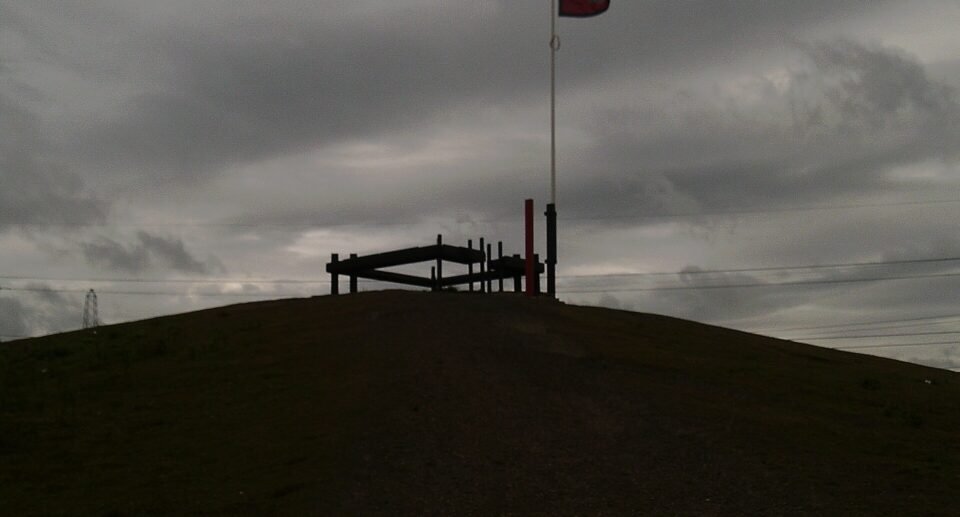
Featured photograph: Michael Garlick / Wikimedia Commons, CC BY-SA 4.0. The site may crop it for the featured display.