The Celtic Bouzouki: History, Sound & Role
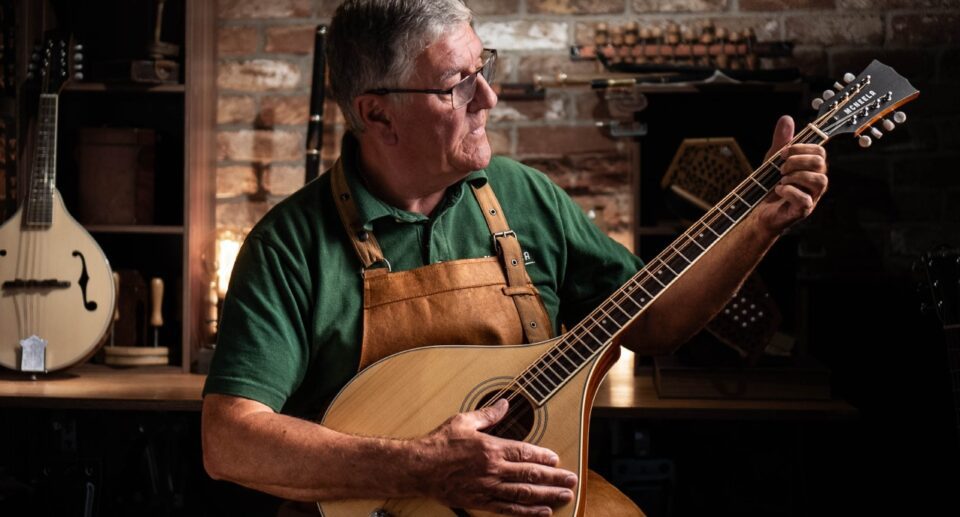
The Celtic bouzouki feels both ancient and new. It carries the resonance of tradition, yet it speaks with a modern accent. When you hear its bright, ringing chords in an Irish session, you sense a bridge between cultures, histories, and evolving musical identities.
This instrument did not originate in Celtic lands. Yet today, it stands firmly within the soundscape of Irish and Scottish folk music. Its journey reveals much about how traditions grow, adapt, and thrive.
What Is the Celtic Bouzouki?
The Celtic bouzouki is a stringed instrument adapted from the Greek bouzouki. Musicians reshaped it to suit the tonal and rhythmic needs of Celtic music.
Unlike its Greek counterpart, the Celtic version often has a flat or slightly arched back. It usually features four pairs of strings (courses), tuned in ways that complement traditional melodies.
Its tone sits somewhere between a mandolin and a guitar. It offers both rhythmic drive and harmonic depth.
Origins: From Greece to Ireland
The story begins in the 1960s. Irish musicians encountered the Greek bouzouki and recognized its potential. Among the pioneers, Johnny Moynihan and later Dónal Lunny played key roles in adapting the instrument.
They altered its structure and tuning. They removed the ornate, bowl-backed design and favored a flatter body. This change improved projection and blending within Irish ensembles.
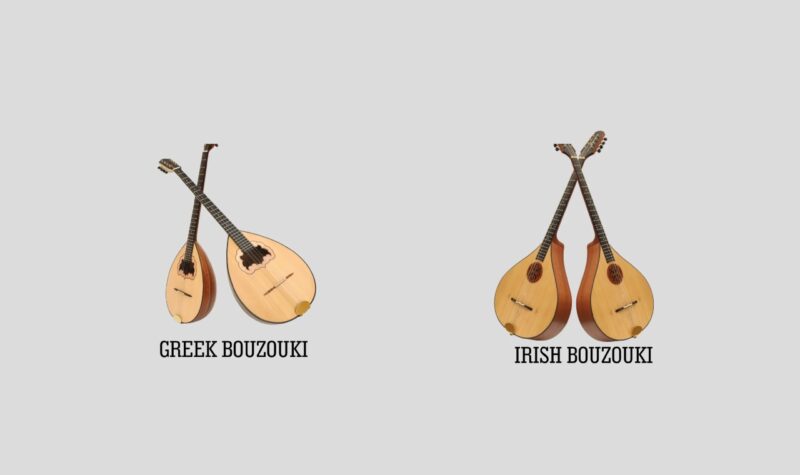
The result was not imitation. It was transformation. The instrument became distinctly Celtic in voice and purpose.
Tuning and Playing Style
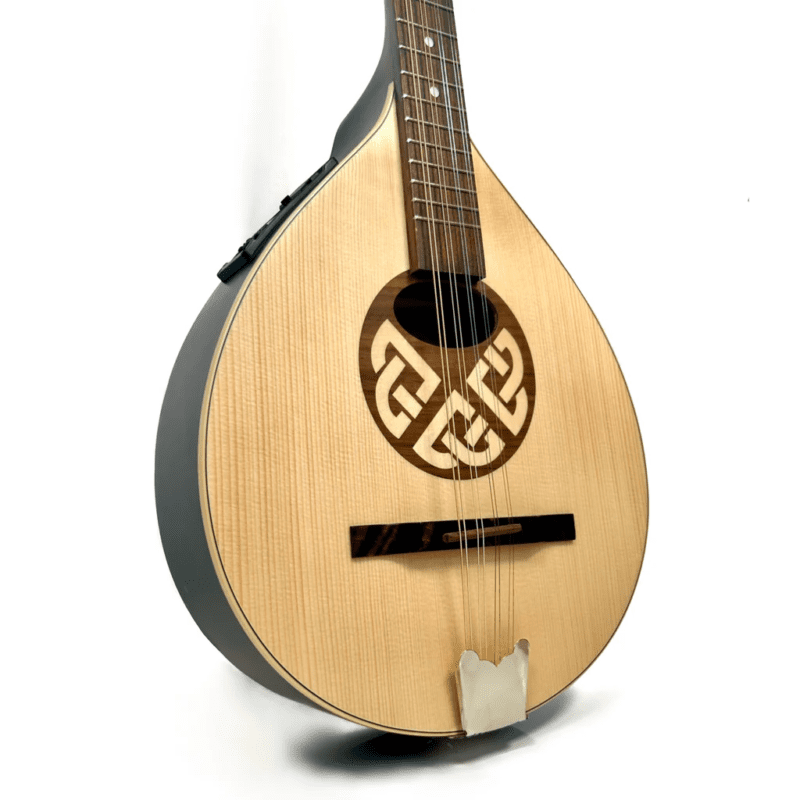
The Celtic bouzouki does not follow a single standard tuning. Musicians often choose tunings that suit accompaniment rather than melody. Common tunings include:
- GDAD
- GDAE (similar to mandolin or fiddle)
- ADAD
These tunings allow open chords and drones. They support the modal nature of Celtic music.
Players rarely use it as a lead instrument. Instead, they focus on rhythm and harmony. They create a textured backdrop for melodies played on fiddle or flute.
To explore how melody instruments interact in Celtic music, you may enjoy this guide on
https://celtguide.com/fiddle-music/
Role in Celtic Music
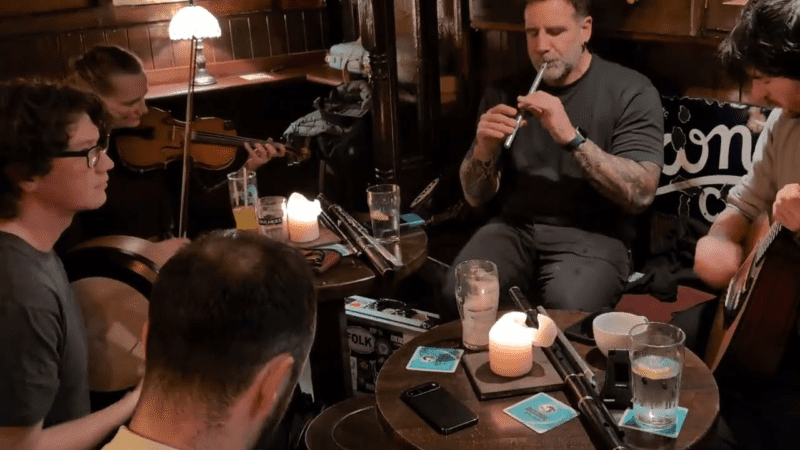
The Celtic bouzouki thrives in group settings. It shines in sessions, where multiple instruments weave together.
Its main roles include:
- Providing rhythmic structure
- Supporting chord progressions
- Enhancing tonal richness
It pairs beautifully with percussion instruments like the bodhrán. If you want to understand that rhythmic foundation, read
https://celtguide.com/the-bodhran-drum/
Together, these instruments create a layered sound. The bouzouki fills the harmonic space without overwhelming the melody.
Craftsmanship and Design
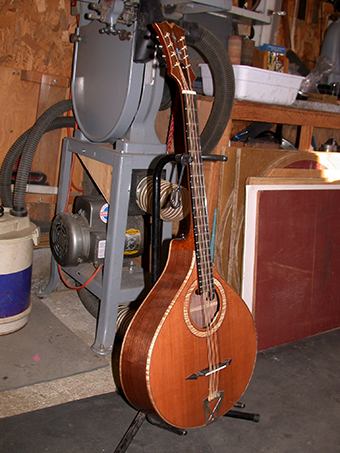
Modern luthiers craft Celtic bouzoukis with precision and creativity. While designs vary, most share key features:
- A longer neck than a mandolin
- A large soundboard for resonance
- Metal strings for brightness
Wood choice matters. Spruce tops and hardwood backs produce a balanced tone. The craftsmanship reflects both tradition and innovation.
Much like the evolution of other Celtic artifacts, such as those discussed in
https://celtguide.com/celtic-stone-carvings/
the bouzouki represents continuity through adaptation.
Cultural Significance
The Celtic bouzouki symbolizes openness in Celtic culture. It shows how traditions absorb influence without losing identity.
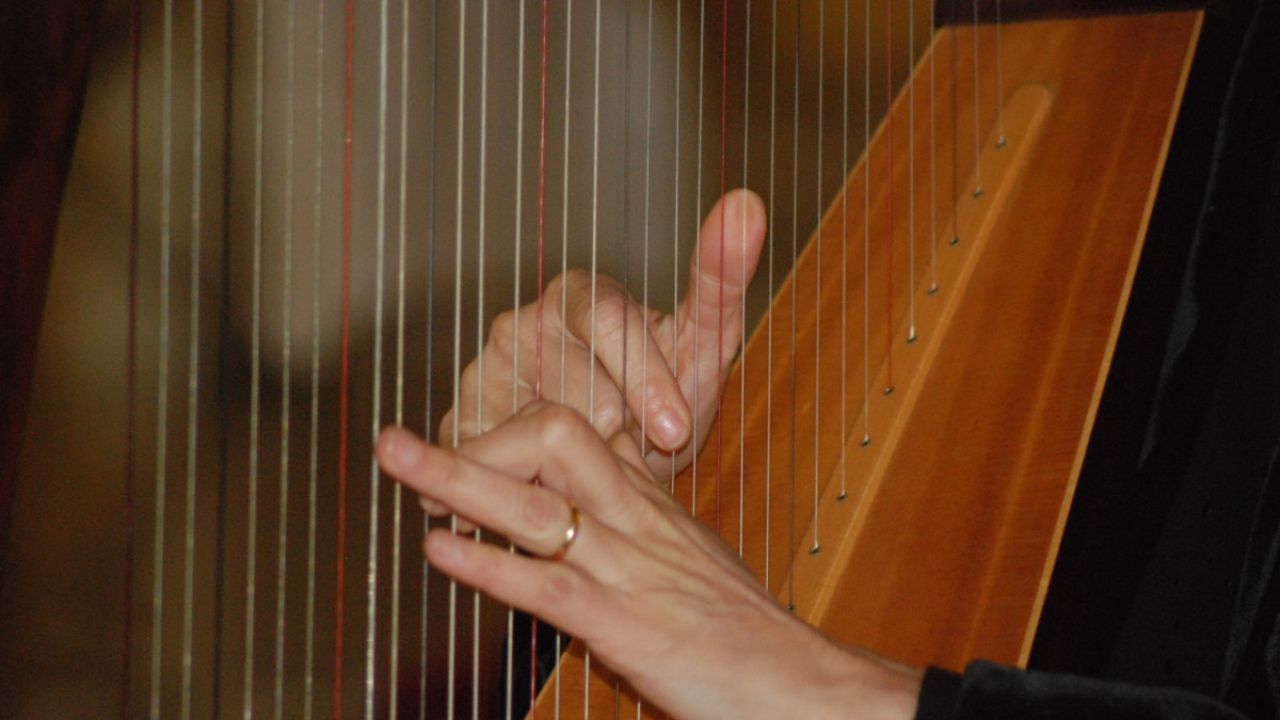
Celtic music has always evolved. From ancient harps to modern ensembles, each generation adds something new. If you are interested in older string traditions, explore
https://celtguide.com/what-is-a-clarsach-a-comprehensive-guide-to-the-celtic-harp/
The bouzouki fits naturally into this lineage. It does not replace older instruments. It complements them.
The Bouzouki in Modern Sessions
Today, you will find the Celtic bouzouki in sessions across Ireland and Scotland. It plays in pubs, festivals, and recordings.
Its presence feels natural. Many listeners assume it has always been there. That illusion speaks to its success.
It blends seamlessly with:
- Fiddles
- Flutes
- Uilleann pipes
- Guitars
In céilí bands and folk groups, it adds clarity and rhythm. Learn more about these ensembles here:
https://celtguide.com/ceili-bands/
Why the Celtic Bouzouki Matters
The Celtic bouzouki matters because it tells a story. This shows that tradition is not static. It grows through exchange, creativity, and reinterpretation.
Celtic bouzouki also reminds us that authenticity does not depend on origin. It depends on how deeply an instrument serves the music and the people who play it.
Conclusion
The Celtic bouzouki stands as a testament to cultural dialogue. It began as a foreign instrument. It became a vital voice in Celtic music.
Its sound is unmistakable. Its role is essential. And its story continues to unfold in every session where strings ring out in harmony.