Scottish Widows’ Plaid: Mourning, Memory, and Meaning
The Scottish Widows’ Plaid stands apart from brighter tartans and ceremonial dress. It speaks softly, yet powerfully, about loss, dignity, and social identity. In medieval and early modern Scotland, clothing carried emotional weight. Few garments expressed that weight more clearly than the widow’s plaid.
As a historian of material culture, I often stress that textiles act as historical documents. The widow’s plaid records grief, status, and community expectations in woven form.
What Is a Scottish Widows’ Plaid?
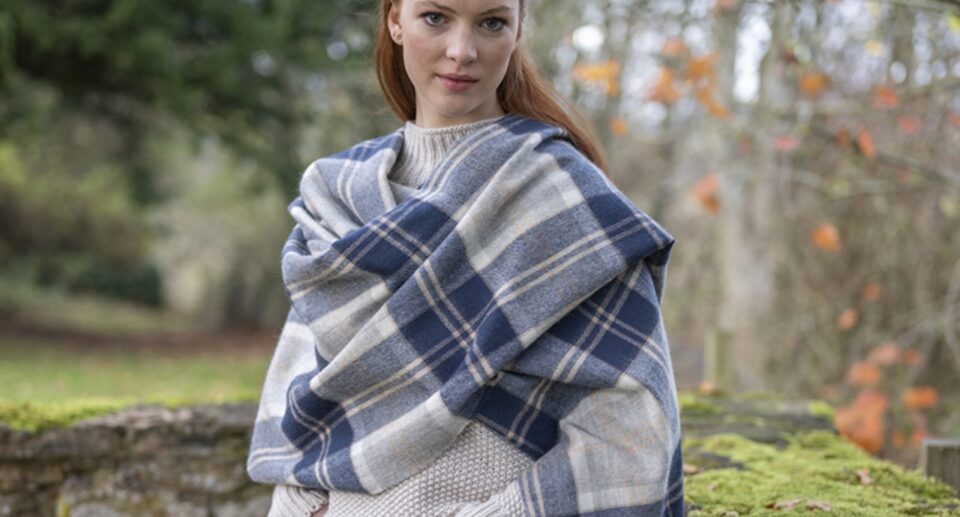
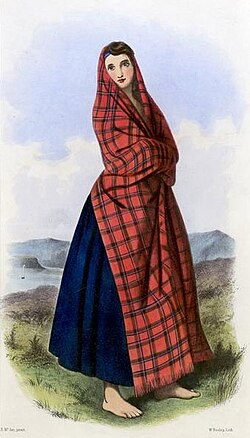
A Scottish Widows’ Plaid is a large tartan or plain wool wrap worn by widows, particularly in the Highlands. Women draped it over the head and shoulders. The garment signalled mourning and modesty. Unlike decorative shawls, it favoured dark, muted colours.
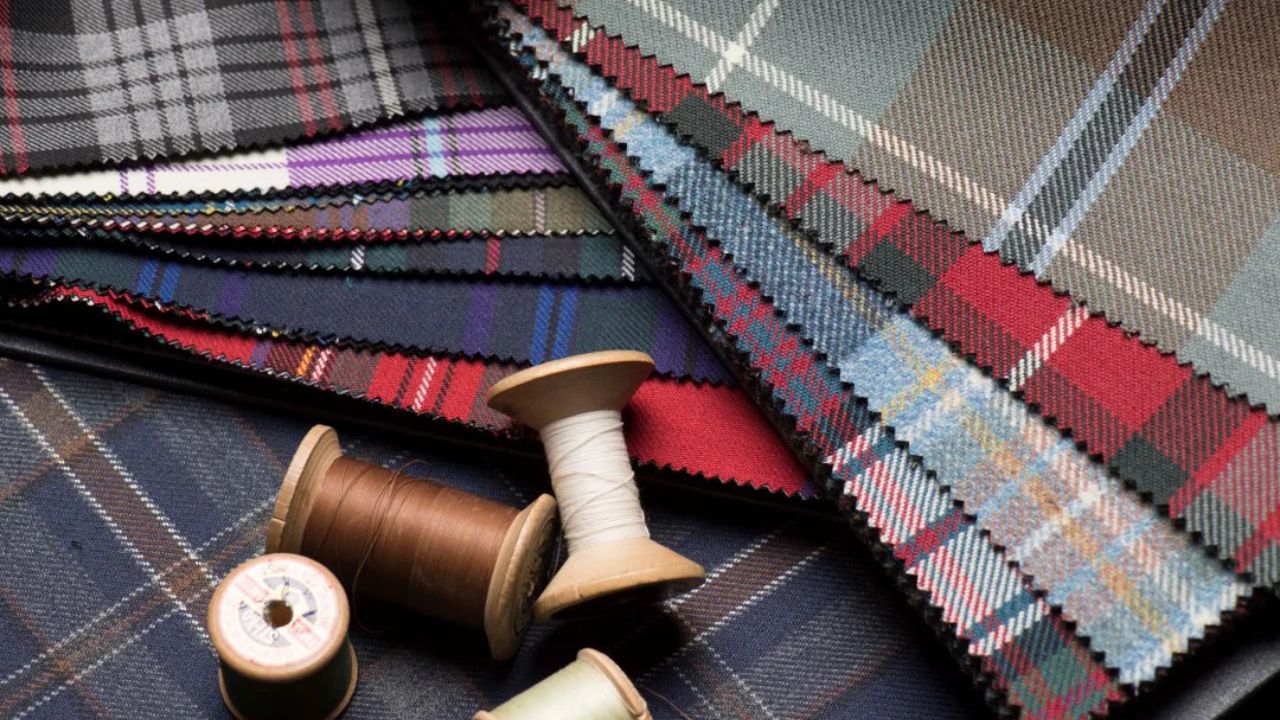
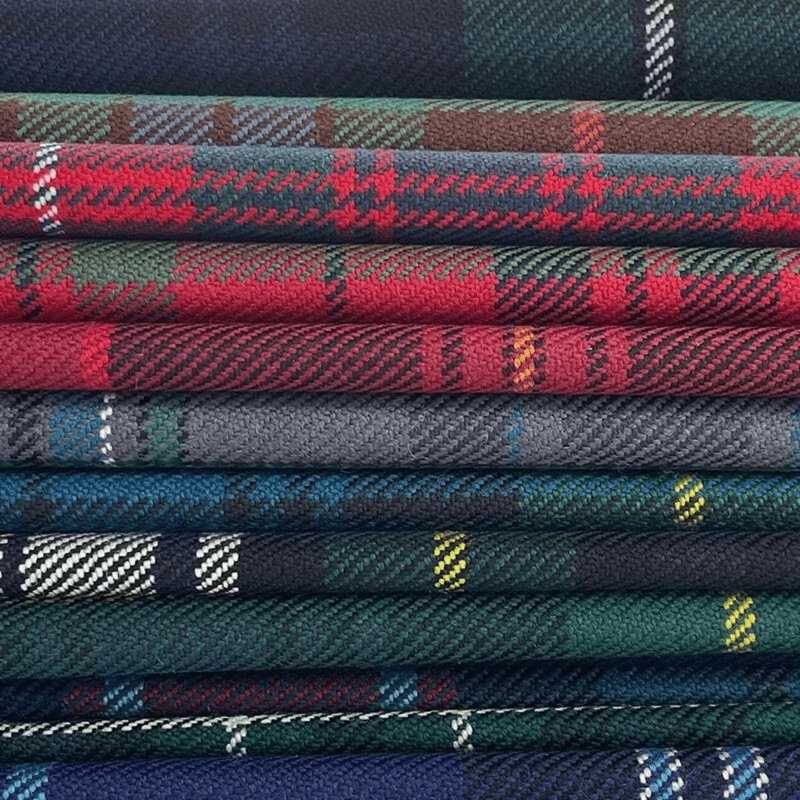
To understand its structure, it helps to first understand tartan itself (What Is Tartan). The widow’s plaid often lacked bright clan colors. Black, brown, or deep green dominated instead.
Origins in Highland Society
The widow’s plaid emerged from practical and cultural needs. Wool protected against harsh weather. Social custom demanded visible signs of grief. In close-knit Highland communities, dress communicated personal status instantly.
This shared language of clothing worked much like oral tradition. Stories and symbols passed between generations, much as they did in storytelling cultures across the Celtic world (Why Are Irish People Natural Storytellers).
Mourning, Modesty, and Respectability
Widows occupied a delicate social position. The plaid offered privacy and protection. It allowed women to move in public without violating expectations of modesty.
The garment also signalled time. A widow’s dress changed gradually as mourning progressed. Over time, darker plaids might give way to softer tones. Clothing marked emotional transition without words.
Material, Weave, and Colour
Most widows’ plaids used homespun wool. Crofting communities produced the cloth locally, reinforcing regional identity (Crofter’s Journey Through Time). The weave prioritised warmth and durability over display.
Colour choices mattered deeply. Black symbolised loss. Earth tones reflected humility and endurance. These meanings align with wider Celtic symbolism found in nature, such as the oak tree’s association with strength and continuity (Celtic Oak Tree).
Relationship to Other Highland Garments
The widow’s plaid differs from the sash or shawl worn for celebration. Yet all share structural similarities. Learning how women wore sashes helps clarify how plaids functioned in daily life (How to Wear a Tartan Sash).
Unlike clan tartans, widows’ plaids rarely declared family allegiance. Grief temporarily overshadowed lineage. This choice highlights how emotional states could override clan identity in Highland culture (How Many Scottish Clans).
Decline and Survival
Industrialisation and changing social norms reduced the use of widows’ plaids by the 19th century. Urban life altered mourning customs. Black dresses replaced traditional wraps.
Still, the garment survives in historical records, museum collections, and folk memory. Modern designers sometimes reference it in contemporary shawls, echoing its restrained elegance (Scottish Tartan Shawls).
Why the Scottish Widows’ Plaid Still Matters
The Scottish Widows’ Plaid reminds us that fashion carries moral and emotional meaning. It shows how communities supported grief through shared symbols. In an age that often hides mourning, this garment offers a lesson in visibility and compassion.
To study it is to recognize how deeply woven emotion once stood in everyday dress.