
Irish Lace Making Tradition: Art, Skill & Cultural Memory
Irish lace making is one of the most beautiful and enduring expressions of Ireland’s cultural creativity. Its delicate patterns, patient craftsmanship, and deep historical roots make it more than just a textile tradition—it is a story of resilience, artistry, and community. Lace has shaped Irish identity much like storytelling, music, and folklore have shaped the Celtic imagination. If you love exploring the cultural threads that define Ireland, you might also enjoy our piece on Why Irish People Are Natural Storytellers.
The Birth of Irish Lace
Irish lace emerged during the 19th century, a time marked by hardship and social change. The Irish Potato Famine in the 1840s left families searching desperately for new ways to survive. Lace making became both an artistic outlet and an economic lifeline.
To understand that era’s impact, you can read more in The Influence of the Irish Potato Famine.
Women in rural communities learned lace techniques from convent schools, travelling teachers, and local craft groups. Over time, these efforts built a thriving cottage industry. Irish lace soon gained recognition across Europe for its refined beauty and quality.
Different Styles of Irish Lace
Irish lace making is not a single technique. Several regional styles developed, each with its own personality.
1. Carrickmacross Lace
Originating in County Monaghan, this style combines appliqué and embroidery. Its transparent mesh and raised motifs give it a light, elegant appearance.
2. Irish Crochet Lace
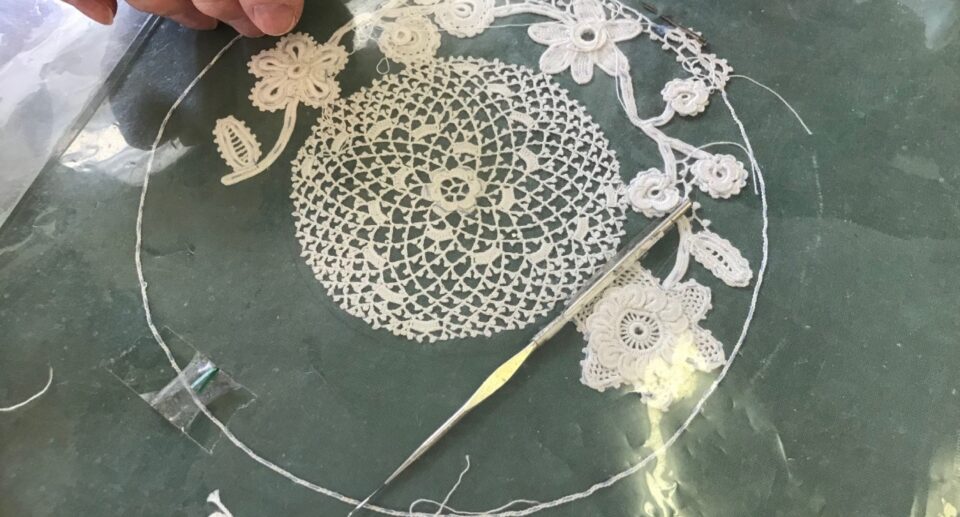
Perhaps the most famous style, Irish crochet lace features flowers, leaves, and vines crafted separately and then assembled into a larger pattern. Its raised textures make it one of the most expressive lace forms.
3. Limerick Lace
More delicate and fine, Limerick lace uses tambour or needle-run techniques on a net base. It became especially popular for veils, collars, and wedding garments.
4. Youghal Lace
Known for meticulous needlework, Youghal lace is intricate and luxurious. Many pieces took months to complete and were treasured as family heirlooms.
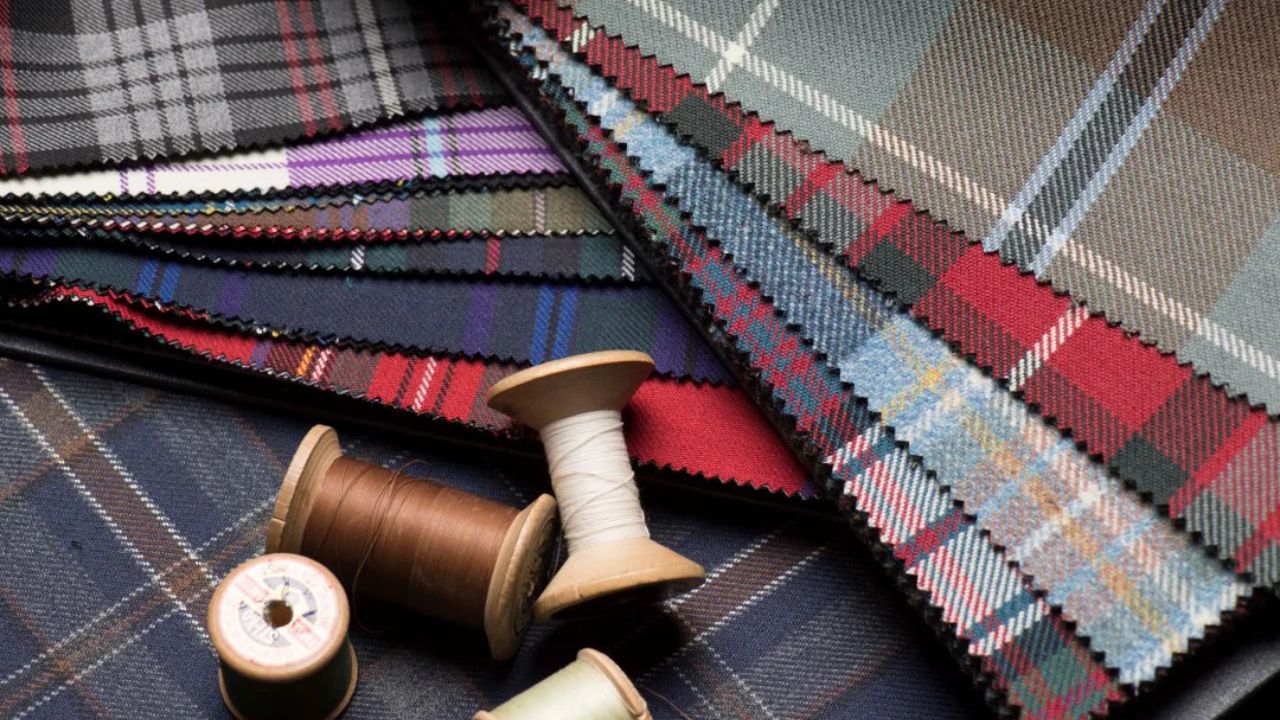
These lace types highlight Ireland’s diversity in craft—much like Scotland has distinct patterns in Tartan and stone carving traditions explored in Celtic Stone Carvings.
Lace Making as Community Work
Irish lace was often made in shared spaces. Women gathered to stitch, chat, and pass on skills to younger generations. These gatherings resembled storytelling circles or musical céilís, which still thrive in Irish traditions.
If you love the link between community and craft, explore how music gathers people in Ceili Bands.
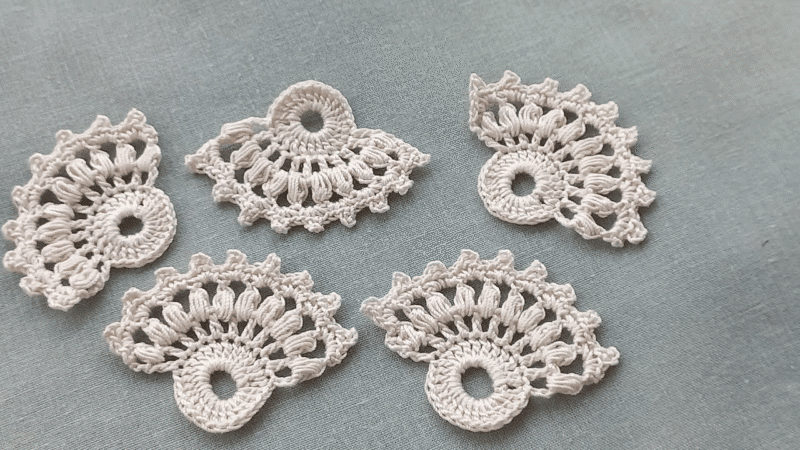
These communal lace sessions created strong social bonds. They also gave many women financial independence at a time when opportunities were limited.
Symbolism and Identity in Irish Lace
Irish lace often includes motifs inspired by nature—shamrocks, roses, fern leaves, spirals, and Celtic-inspired shapes. This reflects the Irish relationship with land, myth, and spirituality.
Readers interested in symbolic meaning might enjoy Claddagh Ring: Meaning, History & Symbolism.
Lace became a visual language. Brides chose crochet flowers that represented love and prosperity. Families kept lace pieces as symbols of endurance and beauty. Some communities even believed lace motifs carried protective qualities, similar to beliefs found in Irish Holy Wells.
How Lace Making Helped Ireland Move Forward
During the late 19th and early 20th centuries, lace making supported thousands of households. Irish lace was exported across Europe and America. Its fine detail captured the attention of royalty and designers, helping Ireland gain recognition for craftsmanship.
Lace also played a role in cultural revival. As Ireland rediscovered its language, music, and myths—seen today in traditions like Gaelic Children’s Lullabies—lace making joined that movement as a symbol of national pride.
Irish Lace in Modern Times
Today, Irish lace continues to charm fashion designers, textile historians, and collectors. While machine-made lace exists, handmade Irish lace holds a special place because it embodies patience, artistry, and heritage.
Contemporary artisans experiment with new shapes, colours, and textures, yet they honor traditional techniques passed down through generations. This blend of old and new echoes Ireland’s broader approach to cultural preservation—deeply rooted yet always evolving.
Final Thoughts
The Irish lace making tradition is a quiet art with a powerful legacy. Each stitch reflects resilience. Each pattern carries memory. And each piece lets us glimpse the lives of the women who shaped Ireland’s cultural landscape.
If you wish to delve further into Celtic crafts, culture, or the myths that intertwine with them, explore more on the CeltGuide Blog.