The Irish Blacksmith’s Trade: Crafting Heritage in Metal
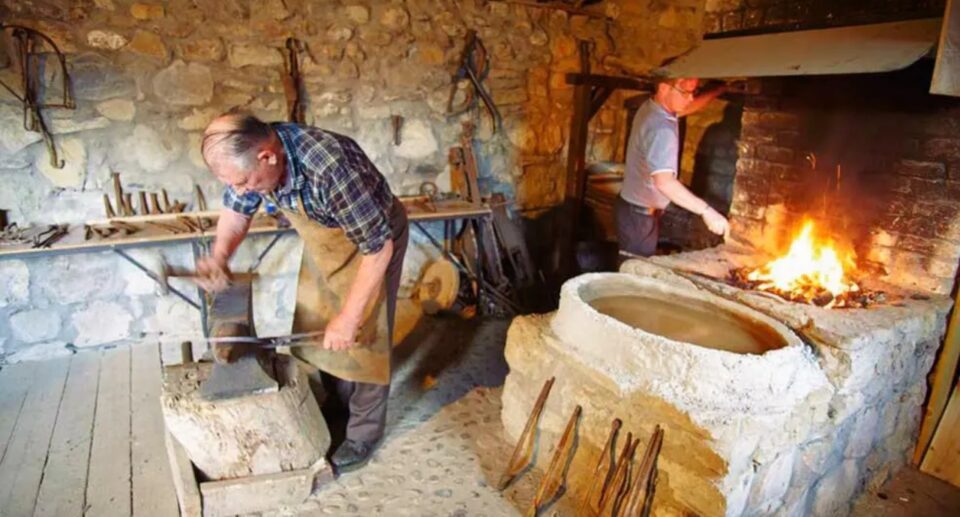
The blacksmith has long held a central role in Irish communities, combining artistry with utility. For centuries, Irish blacksmiths transformed raw metal into tools, weapons, and ornamental items, weaving craftsmanship into the fabric of daily life. Their work was more than functional; it symbolized cultural identity, skill, and resilience.
Just as storytelling preserved the Irish spirit (Why Are Irish People Natural Storytellers), the blacksmith’s craft conveyed practical knowledge, artistry, and local tradition. Every hammer strike, every forged curve, was a reflection of community values and creative ingenuity.
Origins of Blacksmithing in Ireland
Blacksmithing in Ireland dates back to the early Iron Age, when artisans first worked with iron to create tools, weaponry, and ceremonial objects. The craft quickly became essential for farming, construction, and domestic life. Villages often revolved around the local forge, which acted as both a workshop and community hub.
Early blacksmiths were highly respected, not only for their skill but also for their knowledge of metal properties and fire control. This expertise allowed them to create tools that shaped agricultural practices, trade, and defense, sustaining both everyday life and societal growth.
Tools and Techniques of the Irish Blacksmith
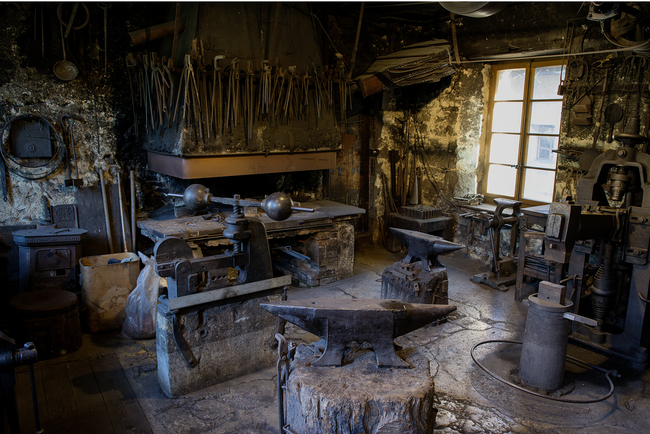
The blacksmith’s toolkit included hammers, anvils, tongs, chisels, and bellows, all critical for shaping and tempering iron and steel. Techniques such as forging, tempering, and riveting allowed blacksmiths to produce durable and functional items.
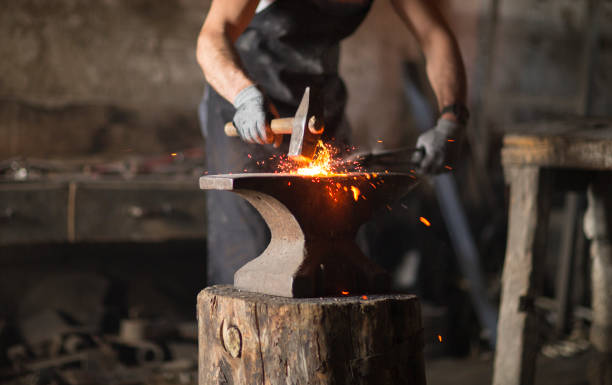
Forging was not merely a mechanical process; it required artistic vision and precision. Blacksmiths often incorporated intricate designs into their work, reflecting Celtic patterns similar to those seen in tattoos and stone carvings (Celtic Stone Carvings). These patterns were both decorative and symbolic, connecting everyday objects to broader cultural narratives.
Cultural and Community Significance
Blacksmiths were vital to the socioeconomic life of Irish villages. Beyond producing tools and hardware, they acted as custodians of local knowledge and tradition. Their forges became informal schools where apprentices learned not just the craft but also ethics, problem-solving, and community values.
The blacksmith’s work also carried mythological and symbolic weight. In Irish folklore, metalworking was sometimes associated with magical protection and craftsmanship gifted by the gods, linking the practical trade with spiritual significance (Celtic Sun God Lugh).
Modern Relevance of Blacksmithing
While industrialization diminished the traditional blacksmith’s role, contemporary Irish artisans have revived and adapted the trade. Modern blacksmiths create decorative ironwork, heritage pieces, and custom tools, blending historical techniques with contemporary design.
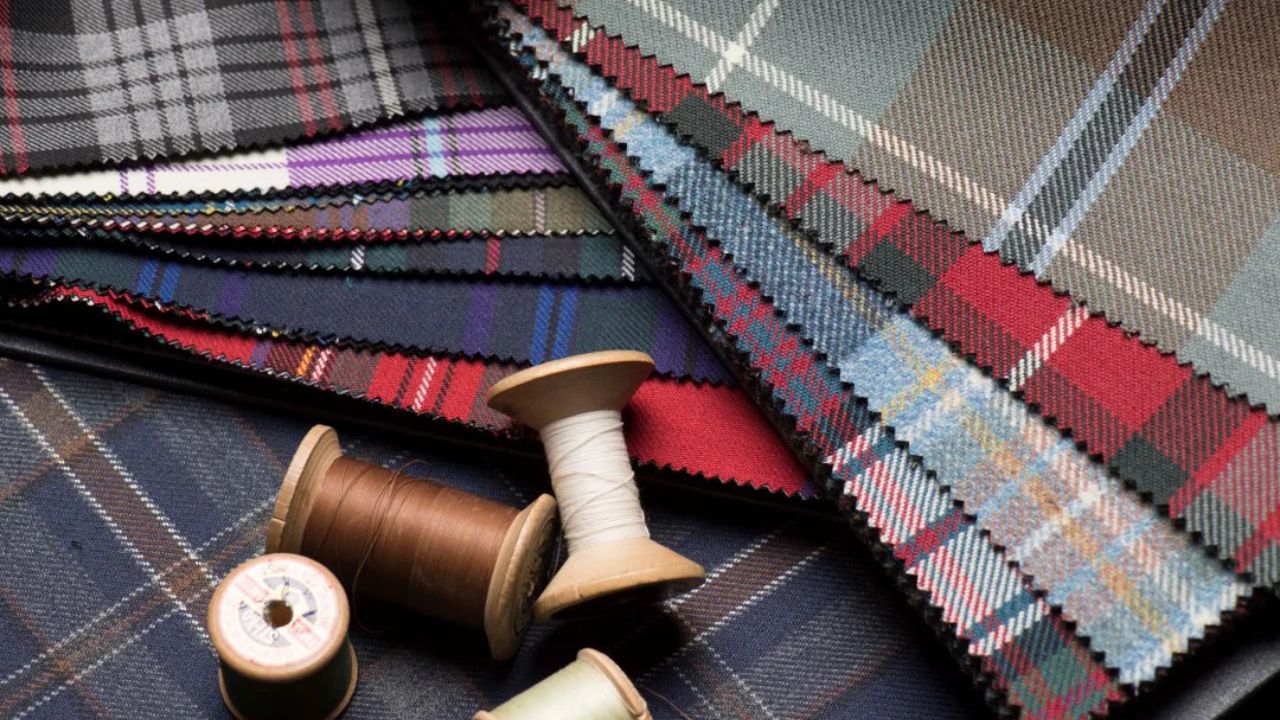
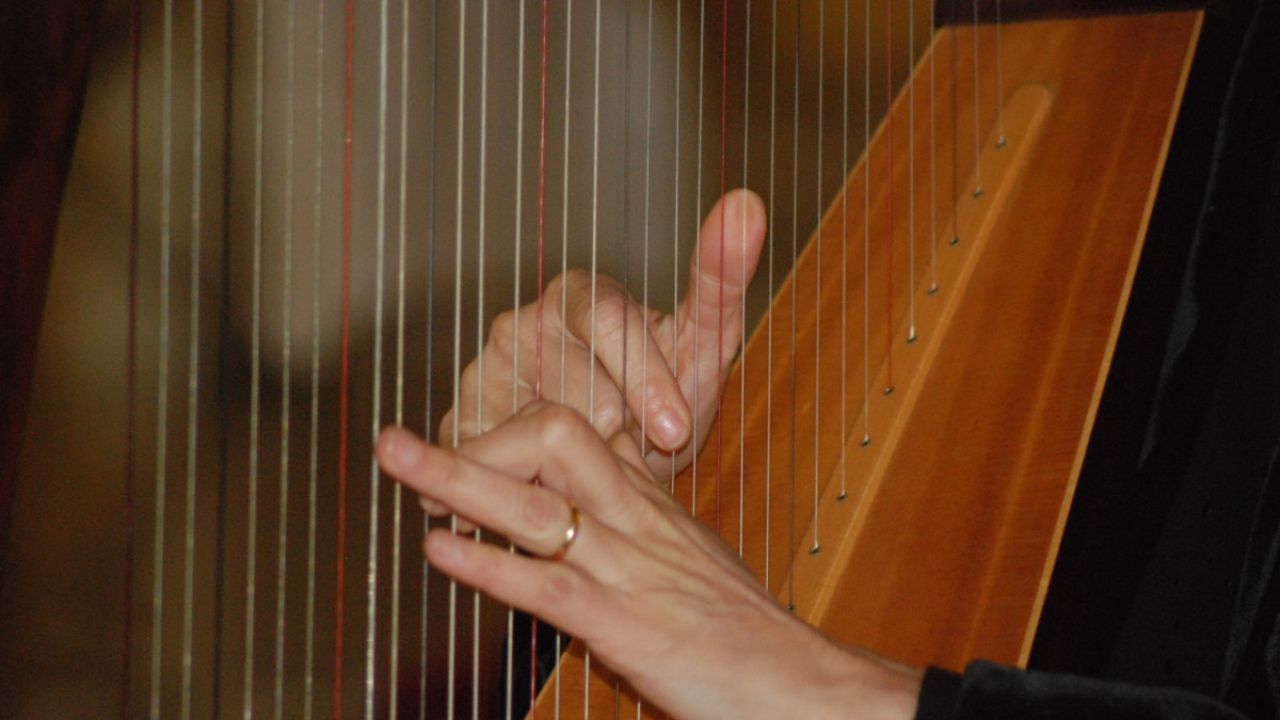
This resurgence mirrors broader trends in Celtic craftsmanship appreciation, where people seek authentic, handmade cultural expressions. Just as Celtic musical instruments (Celtic Harp Guide) or tartans (What Is Tartan) celebrate heritage, blacksmithing today is both artistic expression and a preservation of Irish identity.
Learning from the Blacksmith’s Craft
For those fascinated by Irish culture, the blacksmith’s trade offers lessons beyond metalworking. It teaches patience, precision, creativity, and respect for materials. Exploring traditional trades like blacksmithing allows one to appreciate the intersection of art, utility, and heritage, much like discovering the stories behind Irish folklore, kilts, and historical crafts (Do Irish Wear Kilts?).
Conclusion
The Irish blacksmith’s trade embodies the spirit of Celtic craftsmanship, linking practical skill with cultural storytelling. From forging tools that sustained communities to creating decorative works reflecting identity and tradition, blacksmiths played a vital role in Irish life. Today, their craft continues to inspire, reminding us that heritage, artistry, and diligence are timeless values.
For further exploration of Irish culture and traditional crafts, visit our blog homepage.