
Celtic Tribal Tattoos: History, Design, and Cultural Significance

Celtic tribal tattoos are more than just body art. They are a living testament to centuries of Celtic culture, spirituality, and artistry. Recognized for their intricate knotwork, spirals, and bold geometric patterns, these tattoos carry deep symbolic meaning, often representing heritage, protection, and the interconnectedness of life.
For those exploring Celtic culture, understanding these tattoos is akin to understanding the stories and myths that shaped ancient Ireland and Scotland. Just as Celtic storytelling preserved cultural identity (Why Irish People Are Natural Storytellers), tattoos acted as visual narratives etched into skin, telling tales of ancestry, belief, and personal journey.
Origins of Celtic Tribal Tattoos
Celtic tribal tattoos trace their roots back to the ancient Celtic tribes of Ireland, Scotland, and Wales. Archaeological evidence and historical texts suggest that Celts used body markings for identity, spiritual protection, and social status. While the medium has shifted from traditional methods to modern tattoo ink, the symbols and meanings have endured.
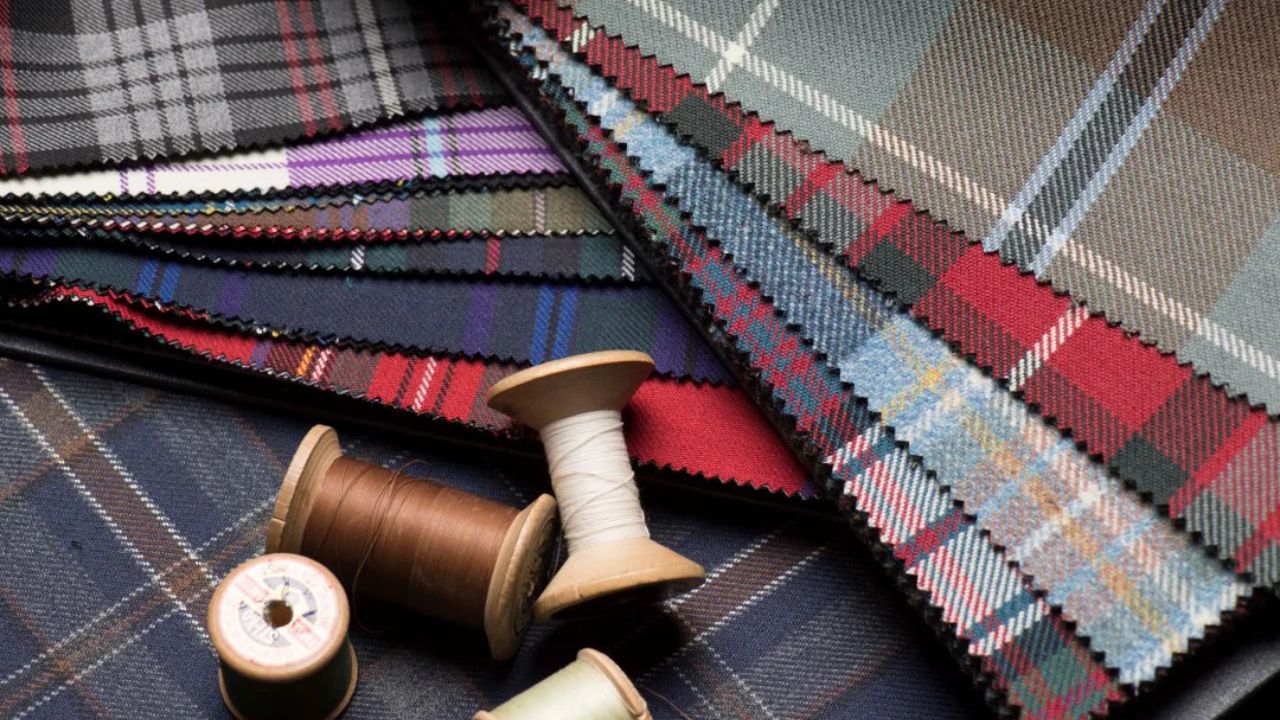
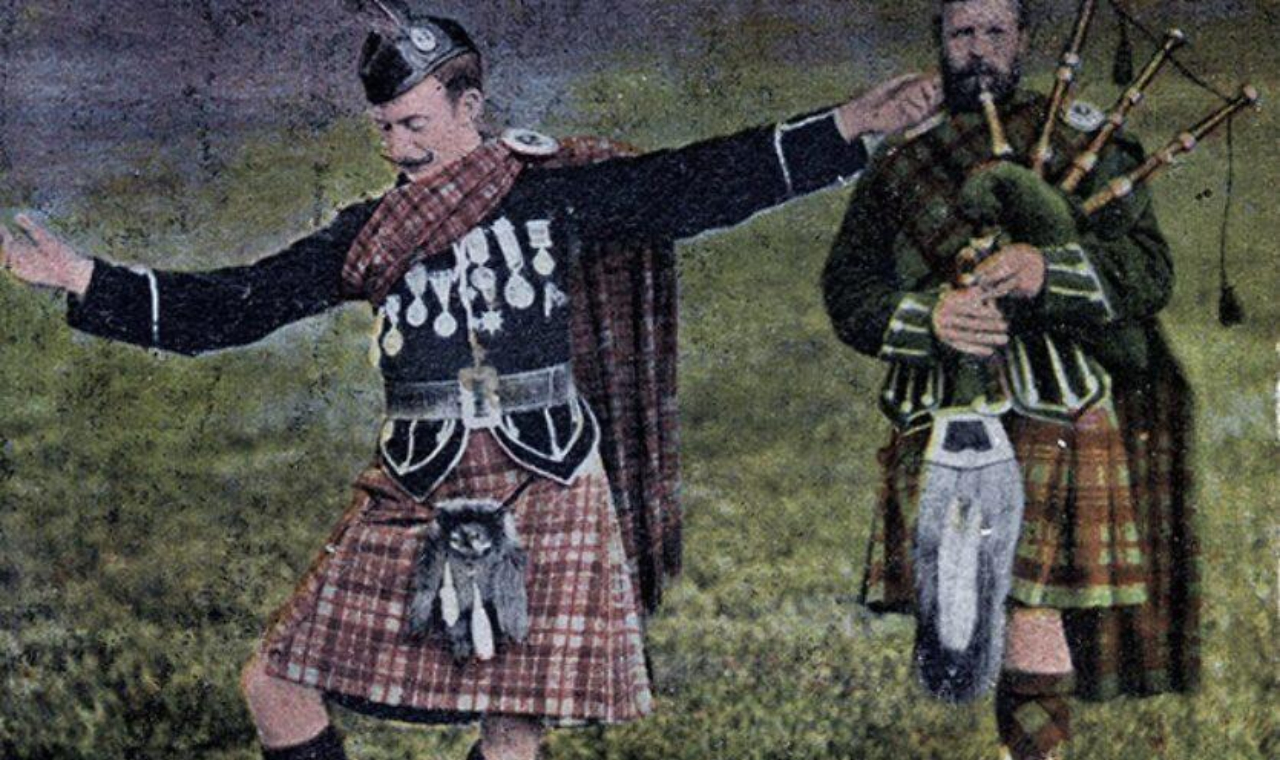
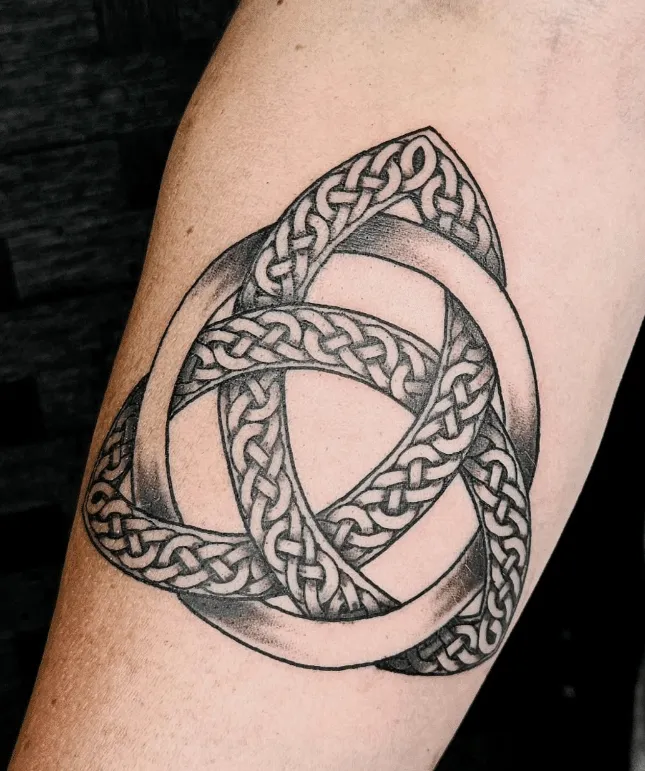
These designs often feature spirals, knots, and interlacing patterns, which represent concepts such as eternity, life cycles, and the unity of body and spirit. Such symbolism aligns with other Celtic expressions, including stone carvings and tartan patterns (Celtic Stone Carvings, What Is Tartan).
Symbolism in Celtic Tribal Tattoos
Every line in a Celtic tattoo carries meaning. Some of the most common symbols include:
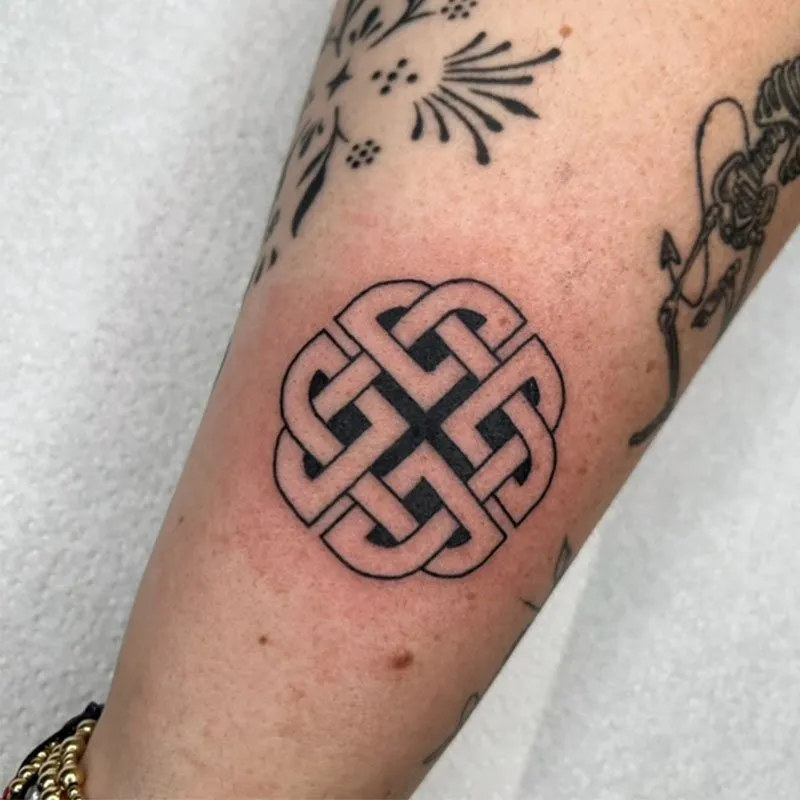
- Celtic Knots: Represent infinity, eternal life, and the interconnectedness of all things.
- Triskelion (Triple Spiral): Symbolizes motion, progress, and the spiritual journey.
- Celtic Crosses: Often signify faith, heritage, and protection.
- Animals and Nature Motifs: Represent strength, wisdom, and connection to the natural world.
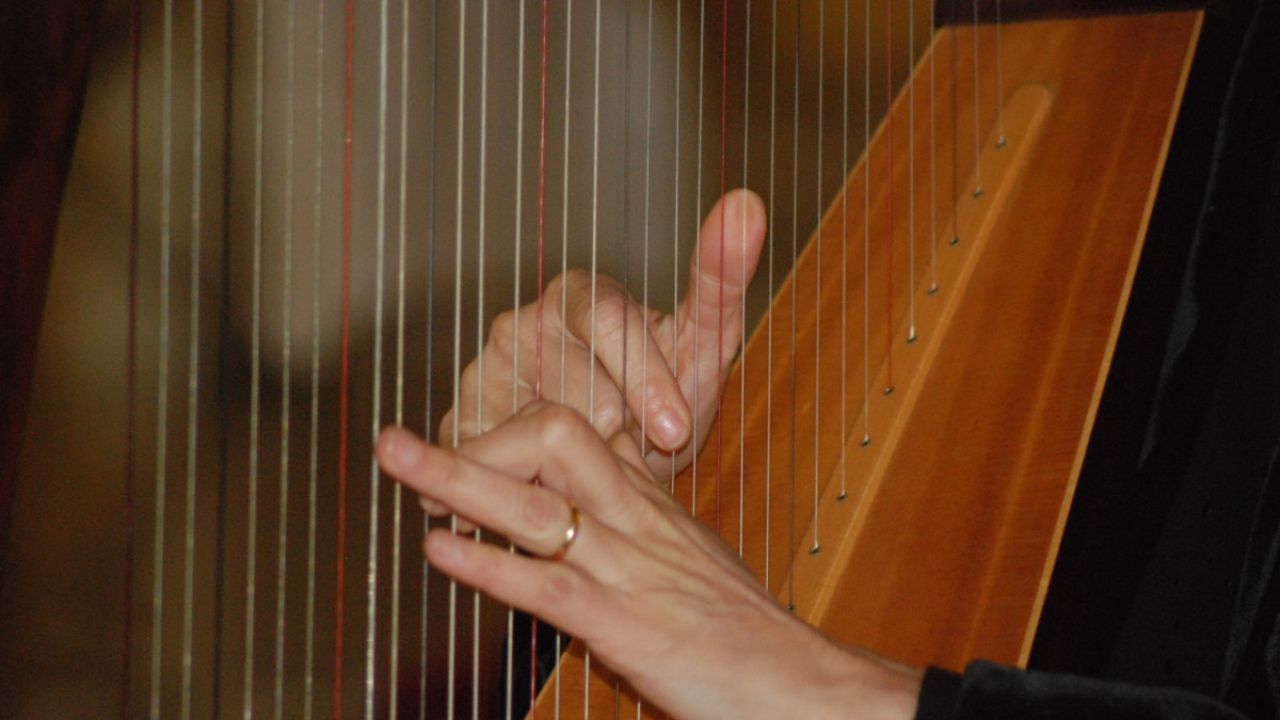
These motifs echo other aspects of Celtic culture, such as music, storytelling, and spiritual traditions. For instance, the Celtic harp (Celtic Harp Guide) and bodhran drum (Bodhran Drum) embody the same artistry, rhythm, and cultural expression seen in tattoo designs.
Modern Adaptations and Popularity
Today, Celtic tribal tattoos have transcended their cultural origins to become global symbols of identity and artistry. Tattoo enthusiasts often select designs to honor ancestry, heritage, or personal growth. Modern tattoo artists blend traditional knotwork with contemporary techniques, ensuring the tattoos remain visually striking while preserving their original significance.
Highland landscapes, historic sites, and ancient monuments often inspire new tattoo designs. Travelers exploring Scotland and Ireland can witness the same intricate patterns reflected in stone carvings, tartans, and cultural artifacts (Celtic Stone Carvings).
Choosing a Celtic Tribal Tattoo
When considering a Celtic tattoo, understanding symbolism and history is essential. Selecting a design requires:
- Researching Symbols: Learn what each knot, spiral, or cross signifies.
- Cultural Respect: Recognize the tattoo’s heritage and avoid misappropriation.
- Personal Meaning: Choose motifs that resonate with your life journey.
- Professional Tattoo Artist: Ensure precision in translating complex Celtic patterns onto skin.
Exploring Celtic culture in other forms, such as traditional music, folklore, and heritage sites, can also provide inspiration. Guides like Selkies in Folklore or Legend of the Fairy Glen illuminate the rich mythological context behind Celtic symbolism.
Conclusion
Celtic tribal tattoos are a bridge between past and present, blending ancient symbolism with modern expression. They honor heritage, convey personal stories, and celebrate the artistry of the Celtic people. Whether inspired by knots, spirals, animals, or crosses, these tattoos remain enduring emblems of Celtic culture and identity.
For further exploration of Celtic art, music, and heritage, visit our blog homepage.