Celtic Crosses: History & Symbolism Explained
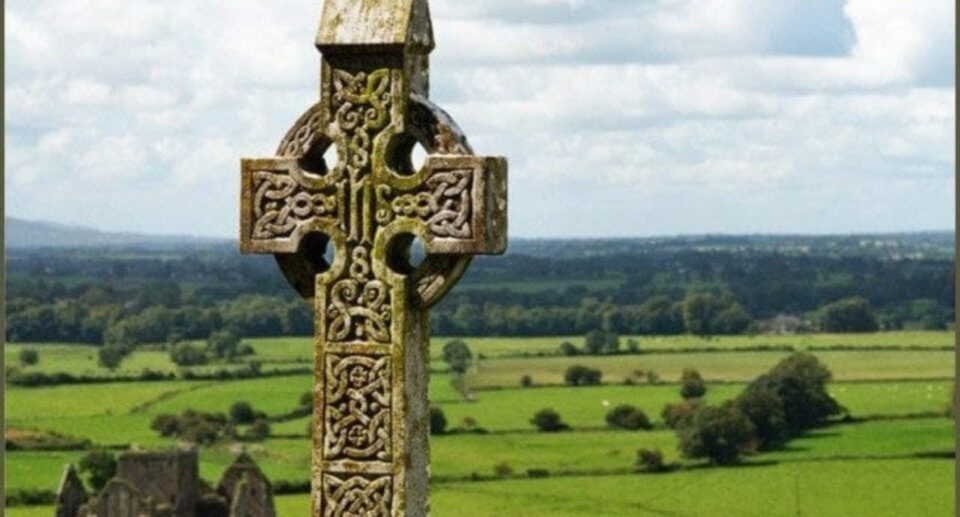
Celtic crosses are more than simple monuments; they are powerful symbols of Celtic heritage and spirituality. Recognizable by their distinctive ring connecting the arms of the cross, these crosses have stood for centuries, adorning landscapes across Ireland, Scotland, and beyond.
Origins of the Celtic Cross
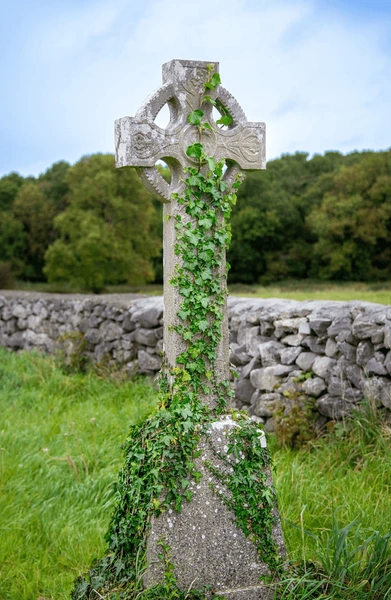
The origins of the Celtic cross trace back to early medieval Ireland and Scotland. Scholars suggest that these crosses emerged during the 8th to 12th centuries, blending Christian symbolism with pre-Christian Celtic art. The circle at the intersection often represents eternity, unity, or the sun, reflecting the Celtic reverence for nature and life cycles.
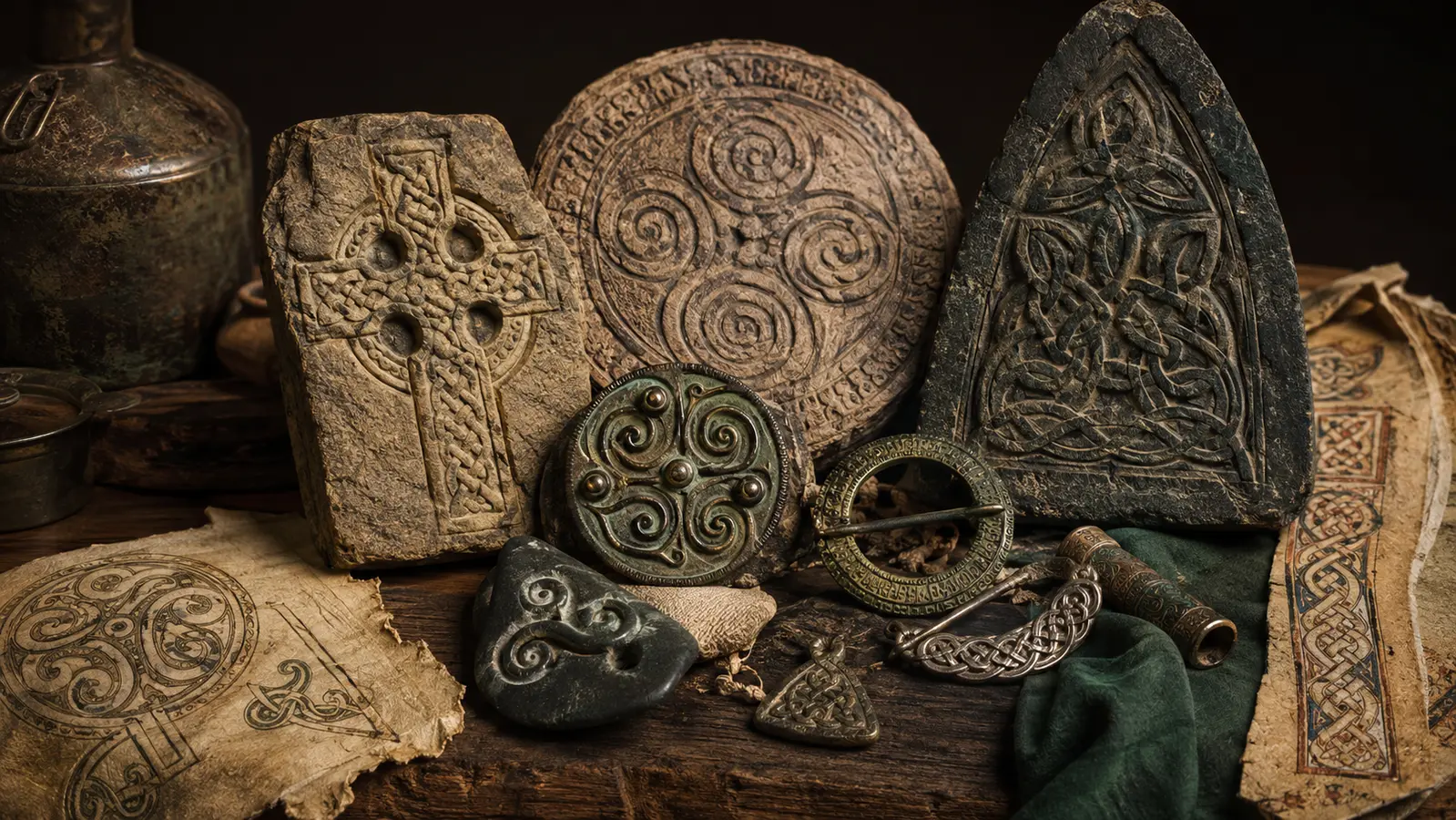
For a deeper exploration of Celtic artistry, see our guide on Celtic stone carvings.
Symbolism Behind Celtic Crosses
Celtic crosses carry layered meanings:
- Christian Faith: The cross represents Christ’s sacrifice.
- Celtic Heritage: The circular ring symbolizes eternity, the sun, or the spiritual path.
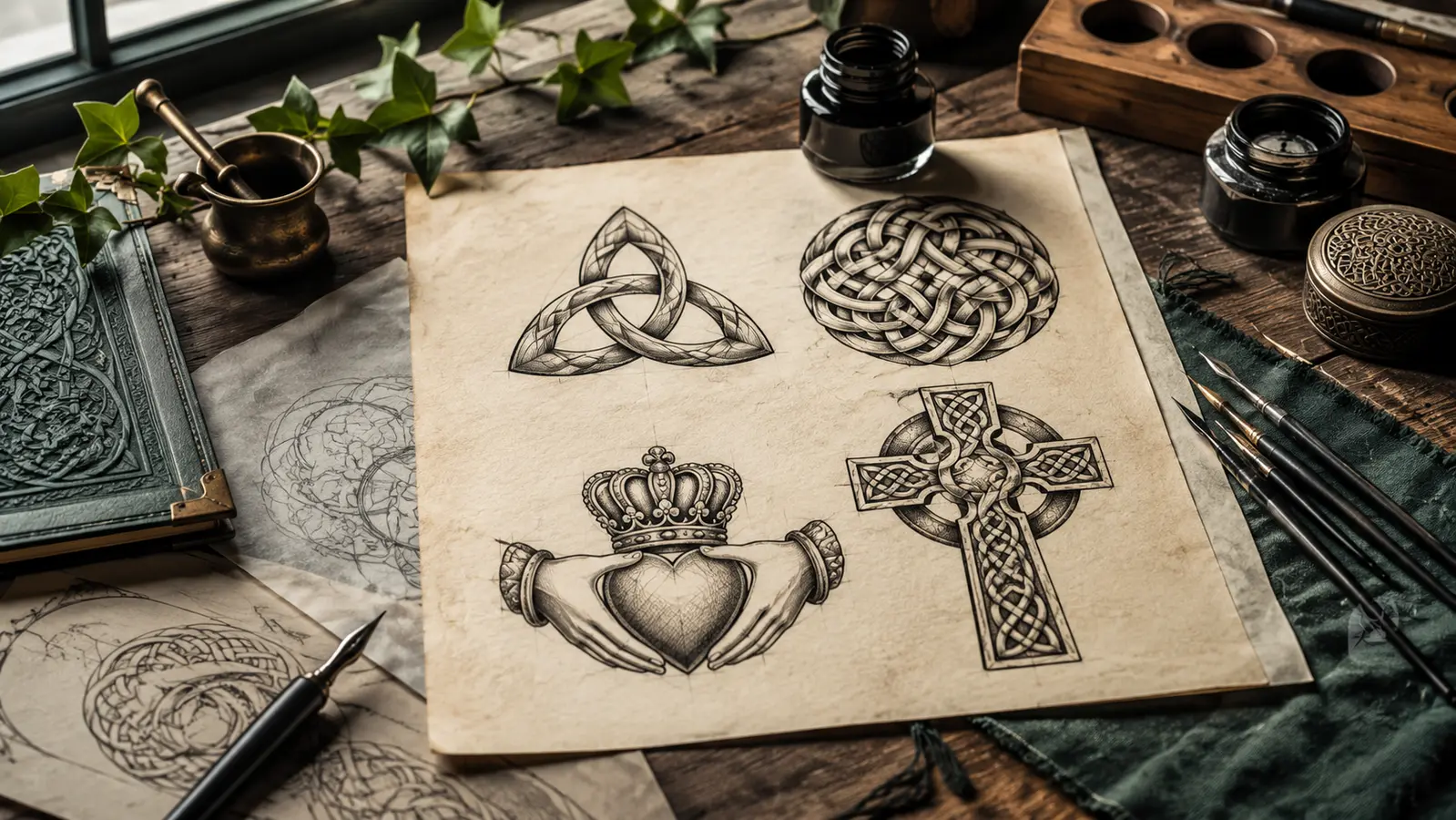
- Artistic Expression: Intricate knotwork and interlacing designs reflect interconnectedness of life and nature.
Interestingly, the symbolic depth of these crosses parallels other Celtic traditions, such as the storytelling culture of Ireland (why Irish people are natural storytellers).
Materials and Construction
Celtic crosses were predominantly carved from stone, though wood and metal versions existed. Many were freestanding monuments, often in churchyards or at crossroads, serving both religious and social functions. Some of the most famous examples include high crosses in Monasterboice, Ireland, which display elaborate biblical scenes.
For more on related Celtic heritage, explore our article on the Celtic Oak Tree.
Influence on Modern Culture
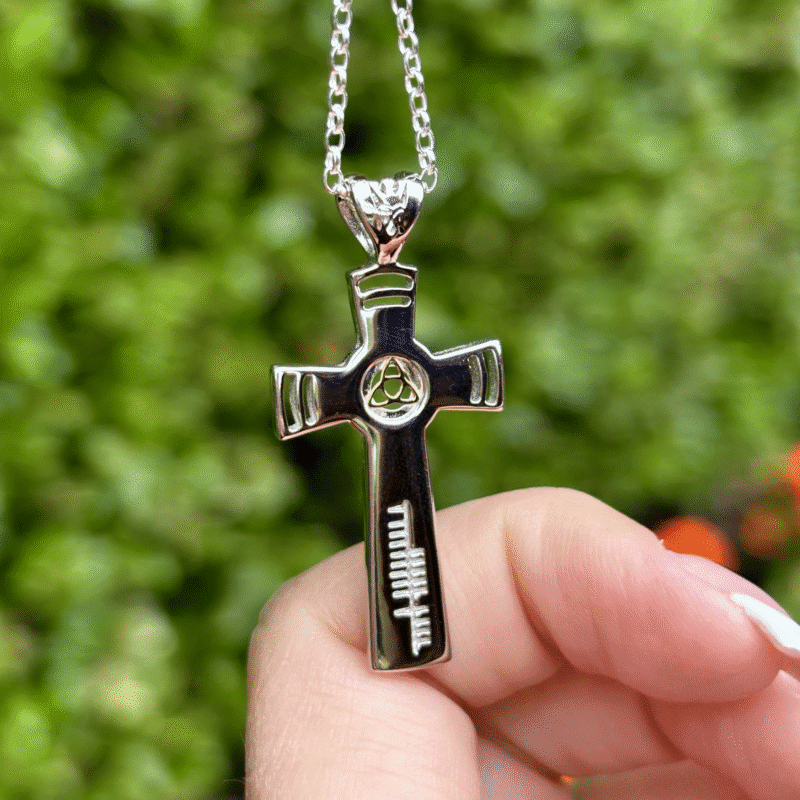
Celtic crosses continue to inspire modern art, jewelry, and tattoos, bridging ancient symbolism with contemporary design. They are also a popular motif in travel photography, highlighting Ireland and Scotland’s cultural landscapes (Ring of Kerry).
Visiting Celtic Crosses Today
Many Celtic crosses are publicly accessible, offering visitors a chance to connect with history and spirituality. Sites like Monasterboice in Ireland or Iona in Scotland provide breathtaking examples, with inscriptions and carvings that tell stories spanning centuries.
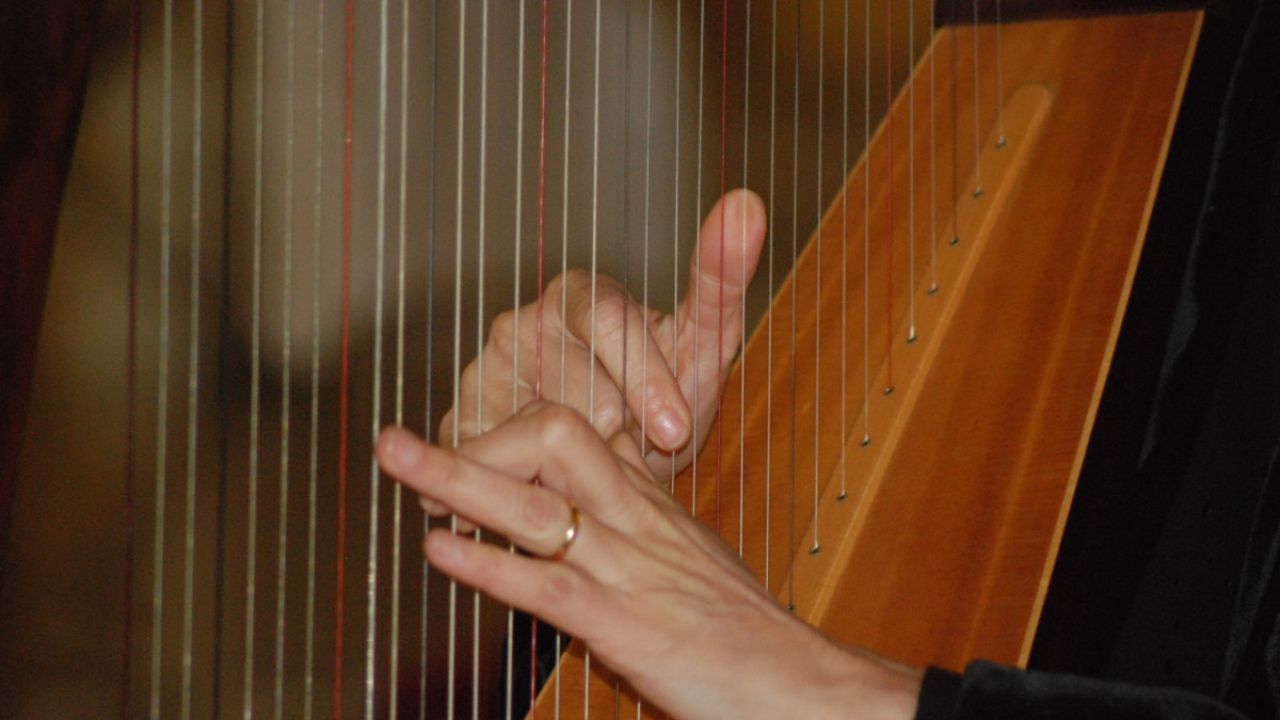
For enthusiasts of Celtic culture, learning about musical traditions can enhance your understanding of their spiritual context. Check out our guides on Celtic harp and bodhran drum.
Conclusion
Celtic crosses are more than historical relics; they are living symbols of faith, culture, and artistry. Their intricate designs, deep symbolism, and enduring presence continue to capture imaginations worldwide, linking the modern world with ancient Celtic traditions.
For further exploration of Celtic culture, visit our blog homepage.