The Wee Folk of the Highlands: Scottish Fairy Lore
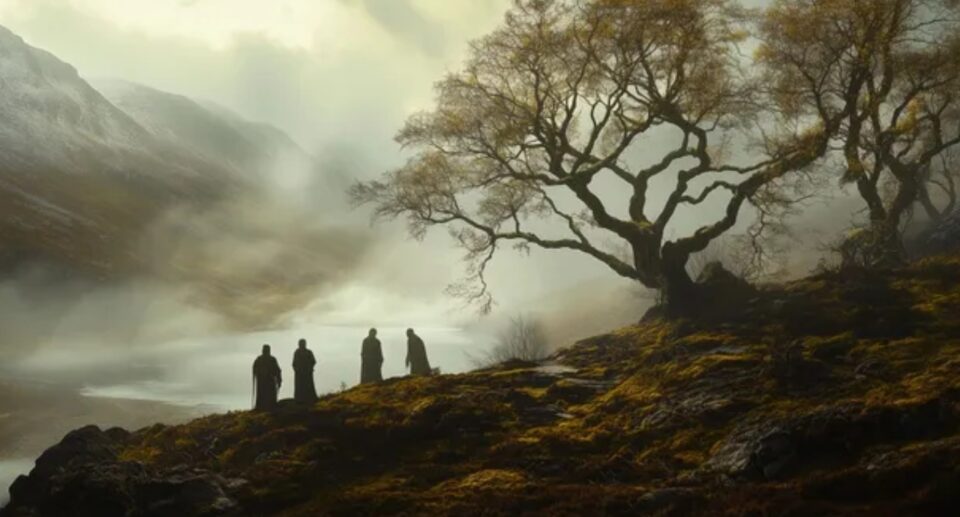
The Scottish Highlands carry an old magic. You feel it in the quiet glens, the rolling moors, and the mist that curls around ancient stones. For centuries, Highlanders believed this land belonged not only to humans, but also to the Wee Folk—the fairies who shaped luck, guarded nature, and whispered through the hills.
These stories survive today, living in music, language, and the landscape itself. They blend beautifully with wider Celtic storytelling, a tradition explored in our piece on why Irish people are natural storytellers. But Highland fairy lore has its own rugged character, shaped by mountains, lochs, and long winters.
Who Are the Wee Folk?
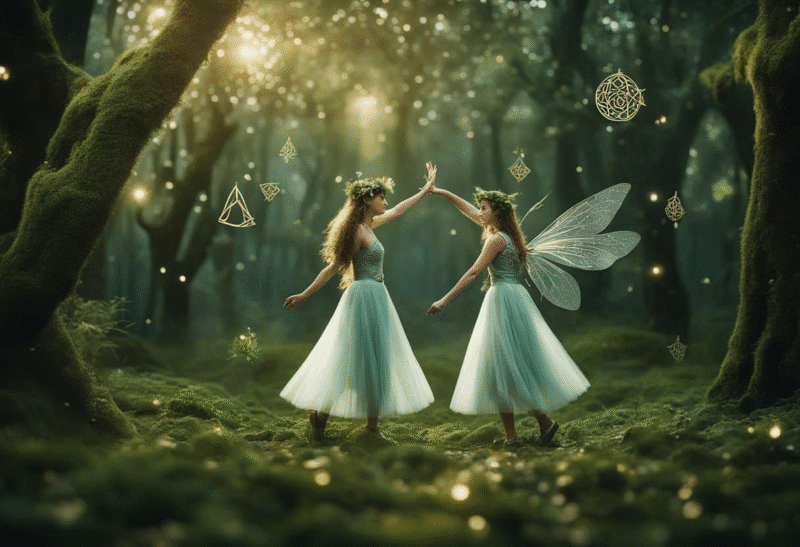
Highlanders used the term “Wee Folk” to avoid naming fairies directly. People believed fairies disliked being summoned or insulted, so gentler names kept them friendly. These beings varied widely:
- Some looked like tiny shimmering figures.
- Others appeared as full-sized, mysterious strangers.
- A few looked almost human until you noticed the glow in their eyes.
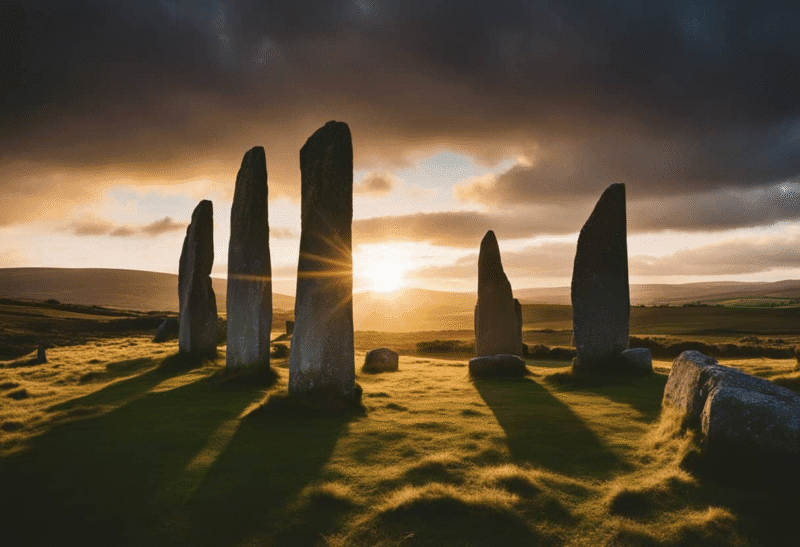
Fairies lived in knolls, forests, rivers, and even inside standing stones. That connection to stonecraft echoes with the symbolic beauty explored in our guide on Celtic stone carvings.
Where Fairy Beliefs Began
The fairy tradition in Scotland formed from:
- Celtic mythology
- Pictish symbols and ancient rituals
- Gaelic beliefs about spirits and nature
Highlanders often linked fairies to sìth, a Gaelic word for “peace” or “otherworldly presence.” This word appears in tales about the sìthichean (fairy folk) and the bean-sìth, better known as the banshee.
These beliefs grew stronger in places where nature felt alive. On the Isle of Skye, for example, local lore inspired the famous site known as the Fairy Glen. You can explore its legends in our full story here:
👉 Legend of the Fairy Glen
Types of Fairies in Highland Lore
1. The Seelie and Unseelie Courts
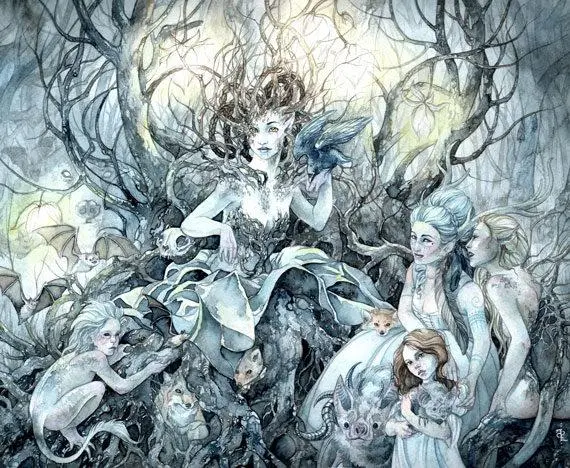
Highland fairies fall into two groups:
- Seelie Court – helpful, playful, but still unpredictable
- Unseelie Court – darker, trickier, and dangerous
People left milk on doorsteps and respected old pathways to avoid offending either court.
2. Nature Guardians
Many fairies watched over:
- Streams
- Heather moors
- Ancient oaks
Trees held deep meaning in Celtic spirituality. Our article on the Celtic oak tree explores that sacred connection.
3. Household Fairies
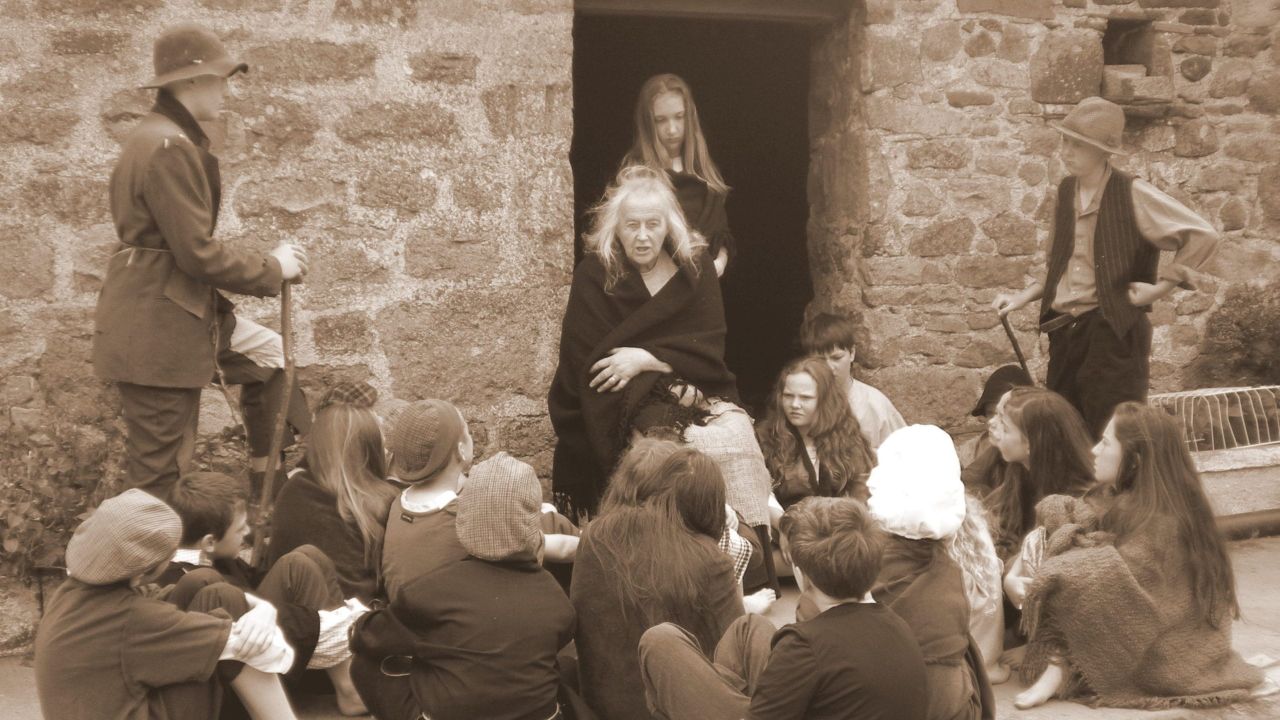
Some fairies lived with Highland families. They helped with chores at night—unless someone insulted them. Then the trouble began.
Fairies and Highland Life
Fairy lore guided everyday decisions:
- Fishermen watched for strange lights before setting out.
- Travellers carried iron, believed to scare the Wee Folk away.
- Mothers kept protective charms near cradles.
Music and dance also carried fairy echoes. Many Highlanders believed that fairies loved lively tunes played on harps and fiddles. You can learn more about these instruments in our guides to the clàrsach and fiddle music.
Fairy Places in the Highlands
Some landscapes feel touched by the Wee Folk:
- Fairy Pools, Skye – crystal blue waters where fairies bathe
- Fairy Bridge, Isle of Skye – linked to clan legends
- Fairy Hillocks seen across crofting lands
To explore more Highland travel stories, visit our category on Travel & Landscapes.

Why Fairy Stories Still Matter
Fairy lore shaped Highland identity. It taught respect for:
- Nature
- Community
- Tradition
- Storytelling
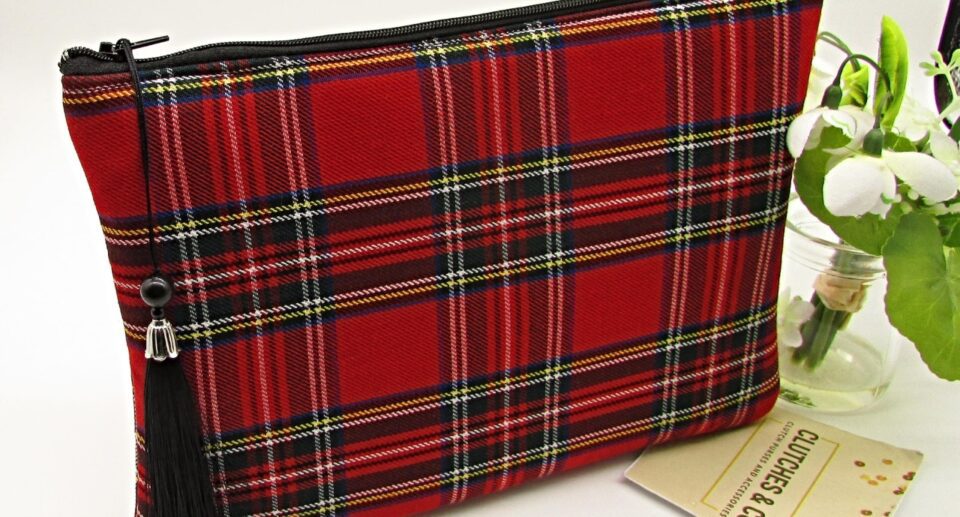
Even today, these tales influence art, fashion, and culture. They sit beside the tartan traditions discussed in our guide to Scottish tartans.
Fairies continue to inspire writers, musicians, and travellers who seek something older than history and wilder than reason.
Final Thoughts: The Magic Lives On
The Wee Folk represent more than myth. They reveal a worldview rooted in wonder, humility, and deep respect for the land. When you walk through a Highland glen, you feel why people once believed unseen beings moved through the bracken and the breeze.
Magic may not be visible, yet it still shapes the Highlands—quietly, like a whisper in the heather.
For more Celtic stories, explore our full CeltGuide blog.