Irish Bards: Keepers of Story, Song, and Memory

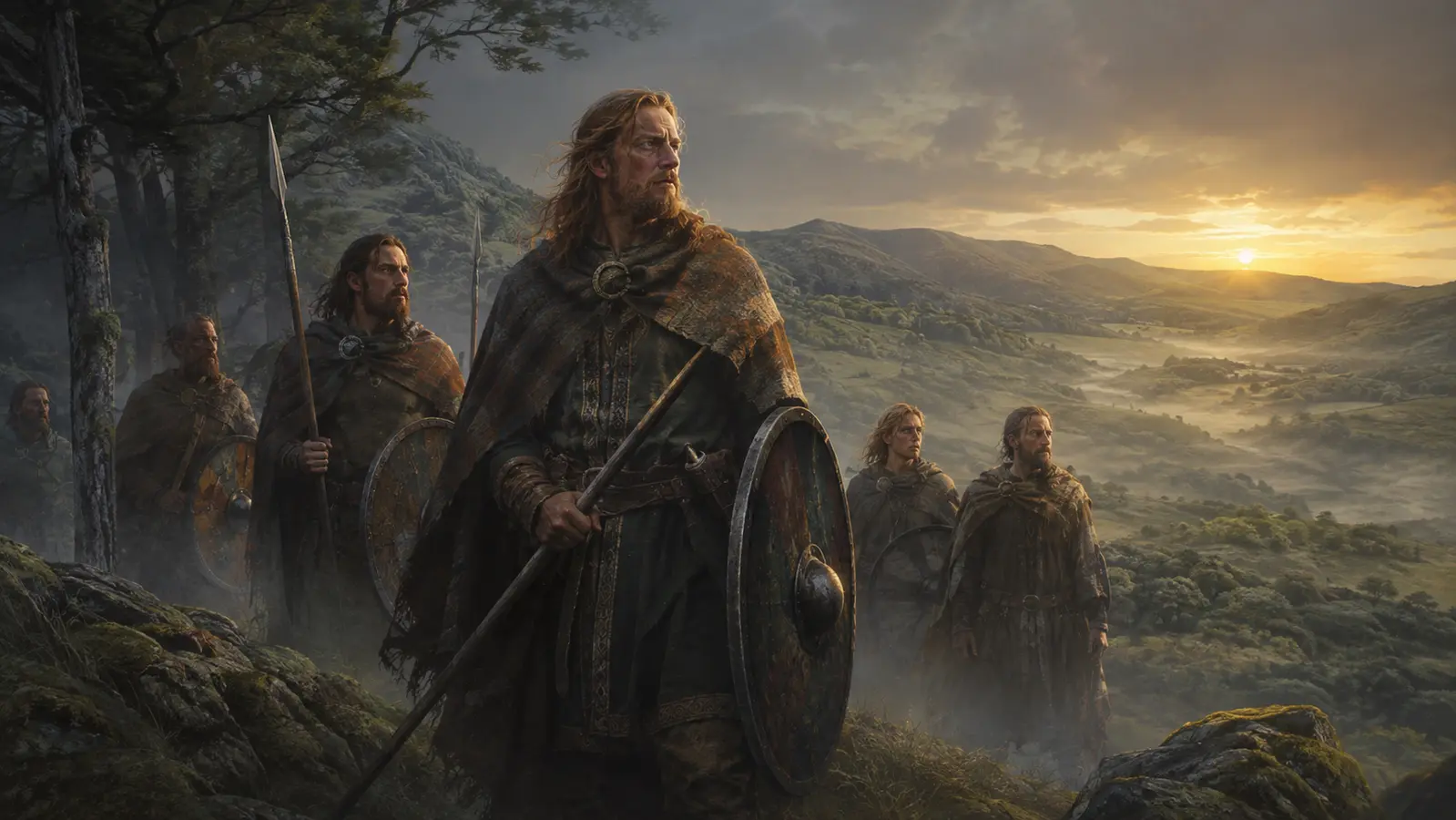
In early Ireland, bards were more than poets. They were historians, storytellers, and musicians, carrying the cultural memory of clans and kingdoms. A bard’s role went far beyond entertainment, it was about weaving history into poetry and ensuring the deeds of ancestors were never forgotten.
As with the Irish gift for storytelling (explored here), bards blended fact and myth so skillfully that history lived on in song.
The Bardic Tradition
The bardic schools of Ireland trained poets for years, teaching them not only the art of verse but also law, history, and genealogy. These schools were rigorous producing highly respected cultural custodians.
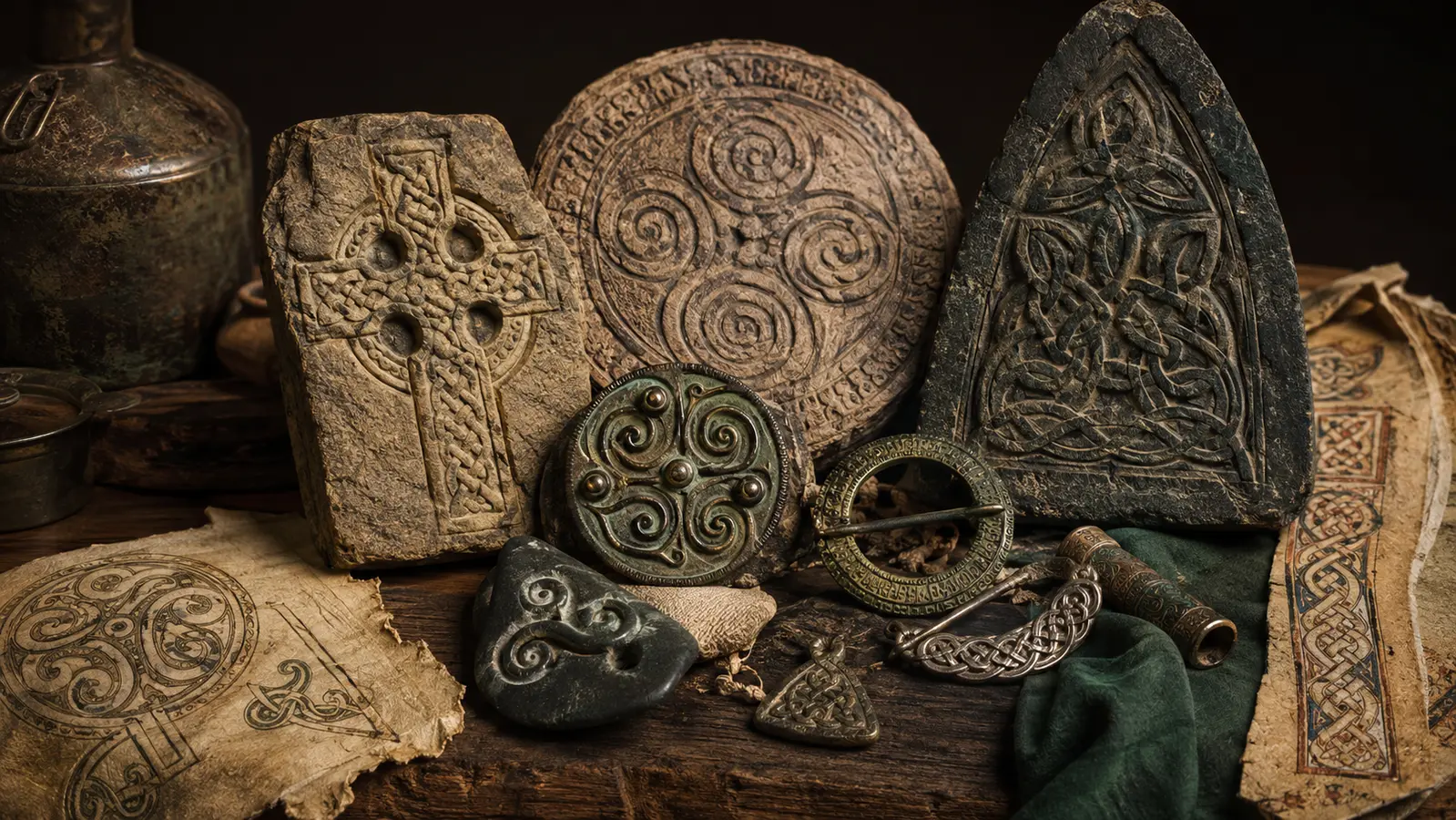
Much like Celtic stone carvings, bardic poetry was a form of inscription, though carved into memory rather than stone.
Music and the Harp
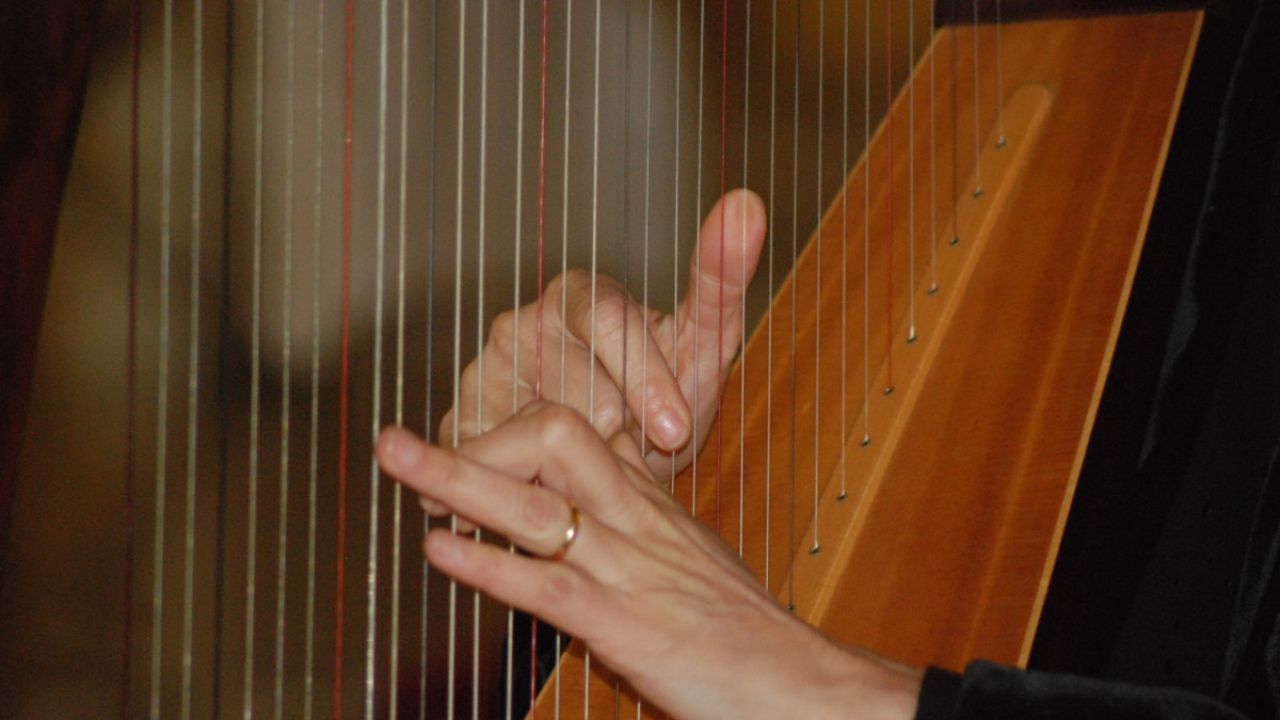
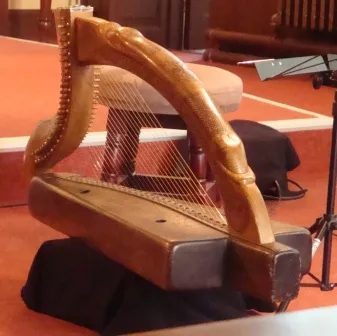
No bard was complete without music. The clarsach, or Celtic harp, was the bard’s companion, its notes carrying words into the soul. You can explore its cultural role in detail in our guide to the Celtic harp.
Even today, harp music echoes Ireland’s bardic legacy, alongside instruments like the bodhrán drum and the fiddle (read here).
Power in Poetry
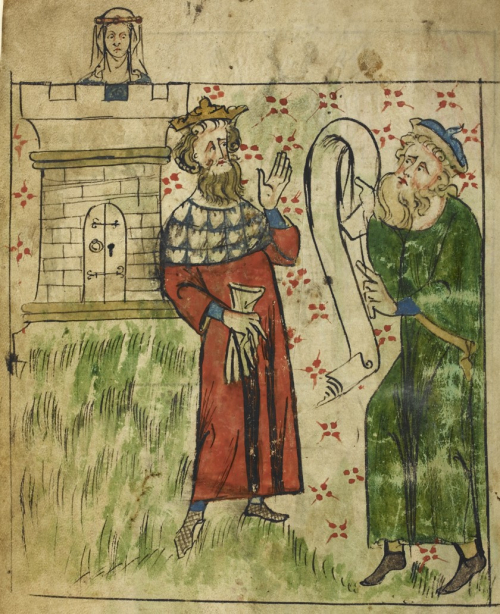
Bards held extraordinary influence. Their words could praise a leader into fame or satire him into ruin. Satirical verse was feared as much as it was respected, a poetic curse believed to bring shame or even illness.
This blend of myth, power, and creativity aligns with the mystical world of Celtic gods, like Lugh, deity of skill and inspiration.
Bards and Community
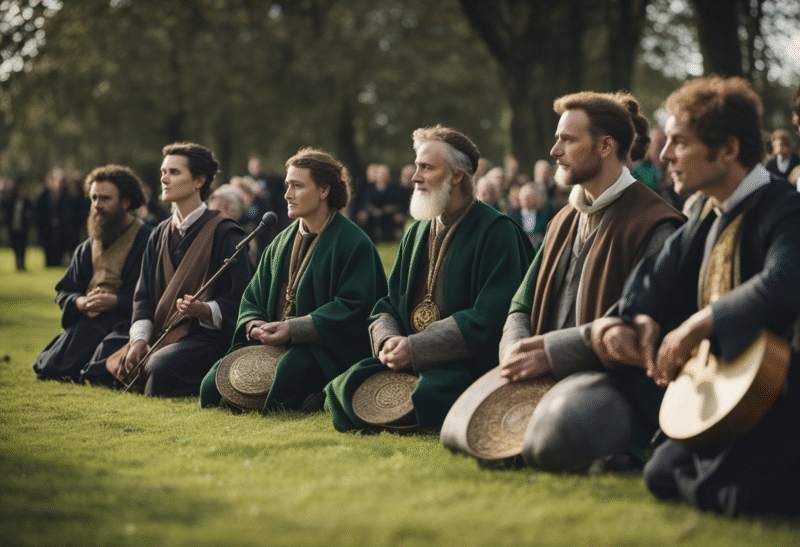
Bards belonged to every layer of society from royal courts to humble villages. They preserved genealogies, local legends, and moral lessons, much like the oral traditions seen in Gaelic proverbs.
In times of upheaval, such as the Irish Potato Famine, bardic traditions offered resilience, weaving hardship into shared narrative.
Folklore, Memory, and Myth
Many bardic tales blurred the line between history and myth, featuring heroes, saints, and legendary places such as the Hill of Tara. These stories served as cultural anchors, ensuring that even when political powers shifted, Ireland’s identity remained intact.
Folklore of shape-shifters like selkies or legends like the Fairy Glen intertwined with bardic storytelling, enriching Ireland’s mythic imagination.
Why Irish Bards Still Matter
The Irish bard is not a relic of the past. Today, poets, musicians, and storytellers carry forward the same spirit using words to heal, inspire, and resist forgetting. Just as Celtic holy wells remain sacred, so too does the bardic tradition, reminding us that culture is not static but ever-living.