Clan Tartan Weaving: Threads of Scottish Identity

When we think of Scotland, tartan instantly comes to mind, kilts, shawls, and yes, even Scottish plaid caps that carry centuries of symbolism. But behind the patterns lies a deeper story: clan tartan weaving is not just a craft, it’s the literal weaving of identity. Every check, stripe, and color combination represents belonging, memory, and resilience.
The Origins of Tartan Weaving
The art of weaving tartan stretches back centuries, though it gained particular cultural weight in the Highlands. Each clan tartan served as a visible declaration of kinship and loyalty. If kilts were the stage, tartan weaving was the script written in threads.
- For a broader look at tartan’s journey, see our guide on how long tartan prints have been around.
- To understand tartan’s unique cultural role, explore what tartan really is.
Clan Identity and Symbolism
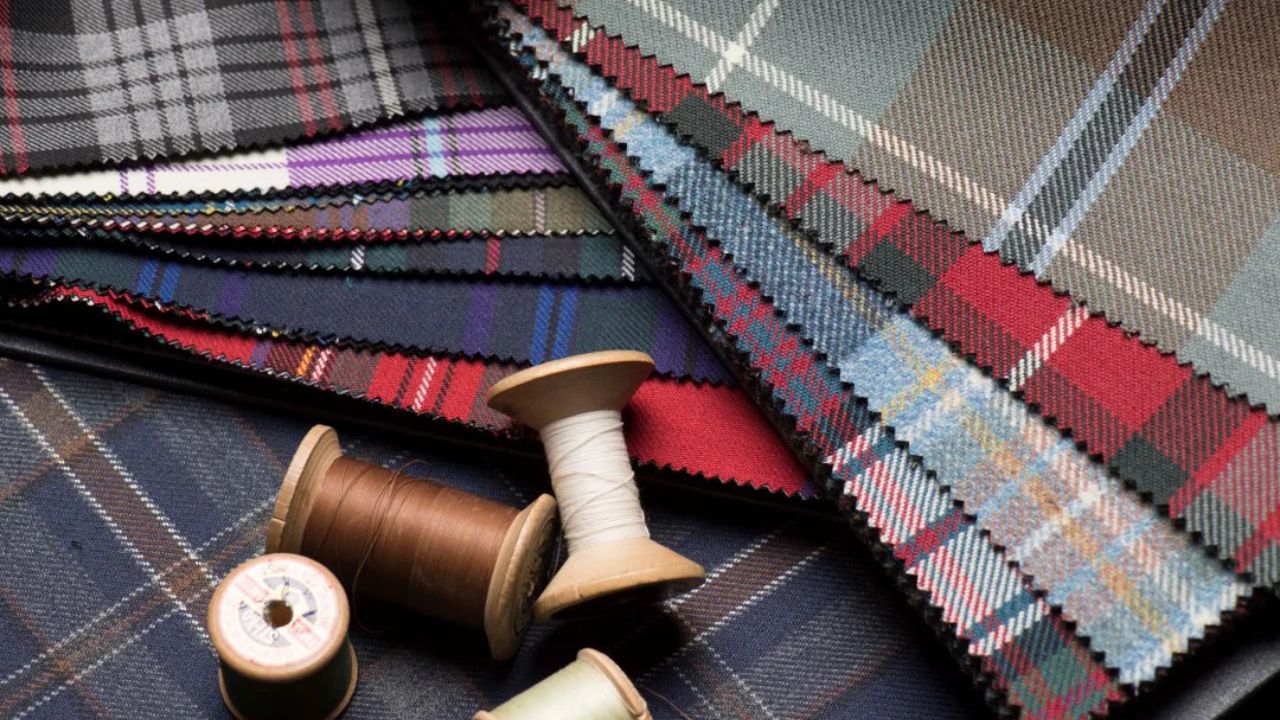
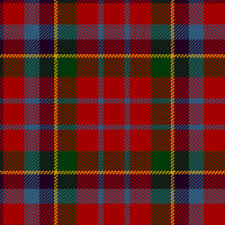
Each tartan design reflected a clan’s unique identity—serving as a portable emblem, much like a heraldic banner. The choice of colors often had symbolic meaning: green for the Highlands, blue for rivers, red for battle.
- The bond between tartan and community mirrors how Scottish clans shaped collective identity.
- Tartan is as significant as other cultural markers such as the Claddagh ring in Ireland, or Celtic stone carvings in Scotland.
The Craft: From Wool to Weave
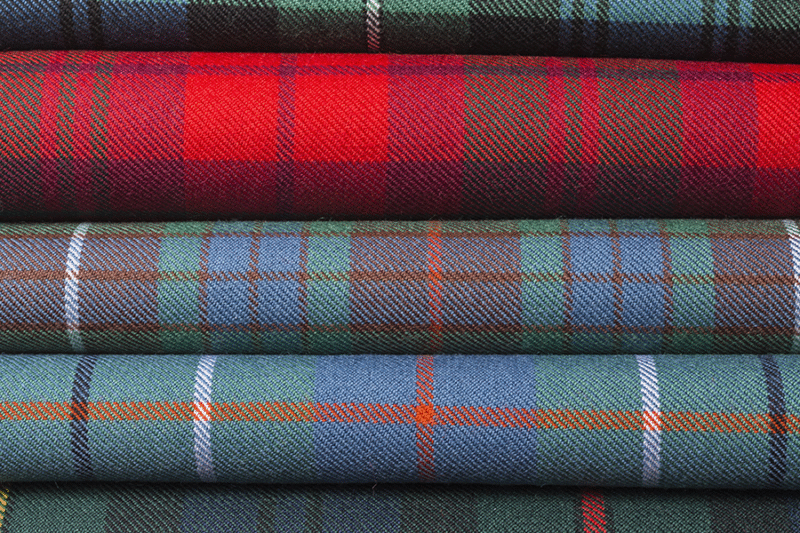
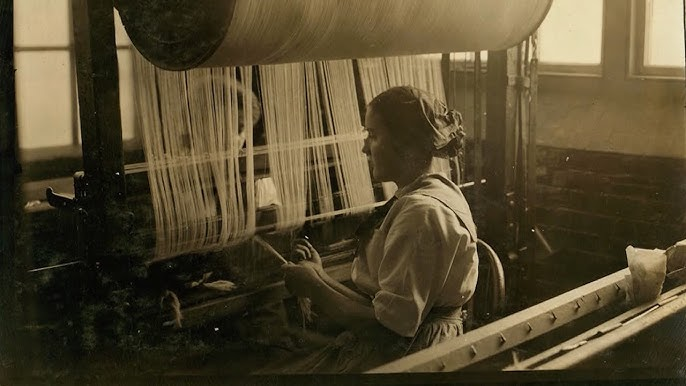
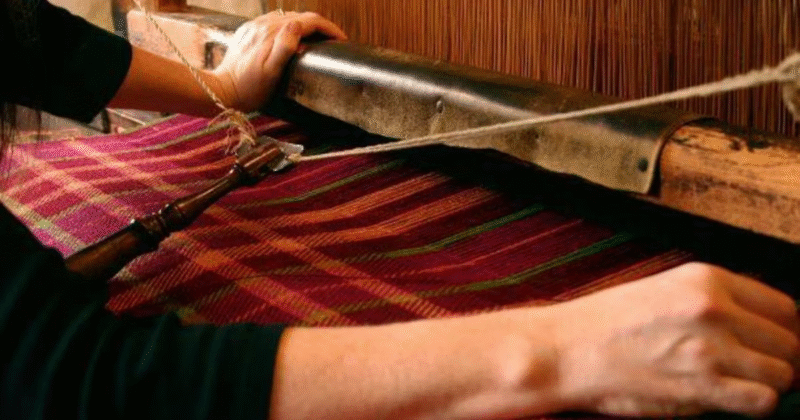
Traditional tartan weaving required skill, patience, and precision. Using a loom, weavers interlaced colored wool threads to form patterns known as “setts.” These setts were carefully guarded and passed down through families, ensuring continuity.
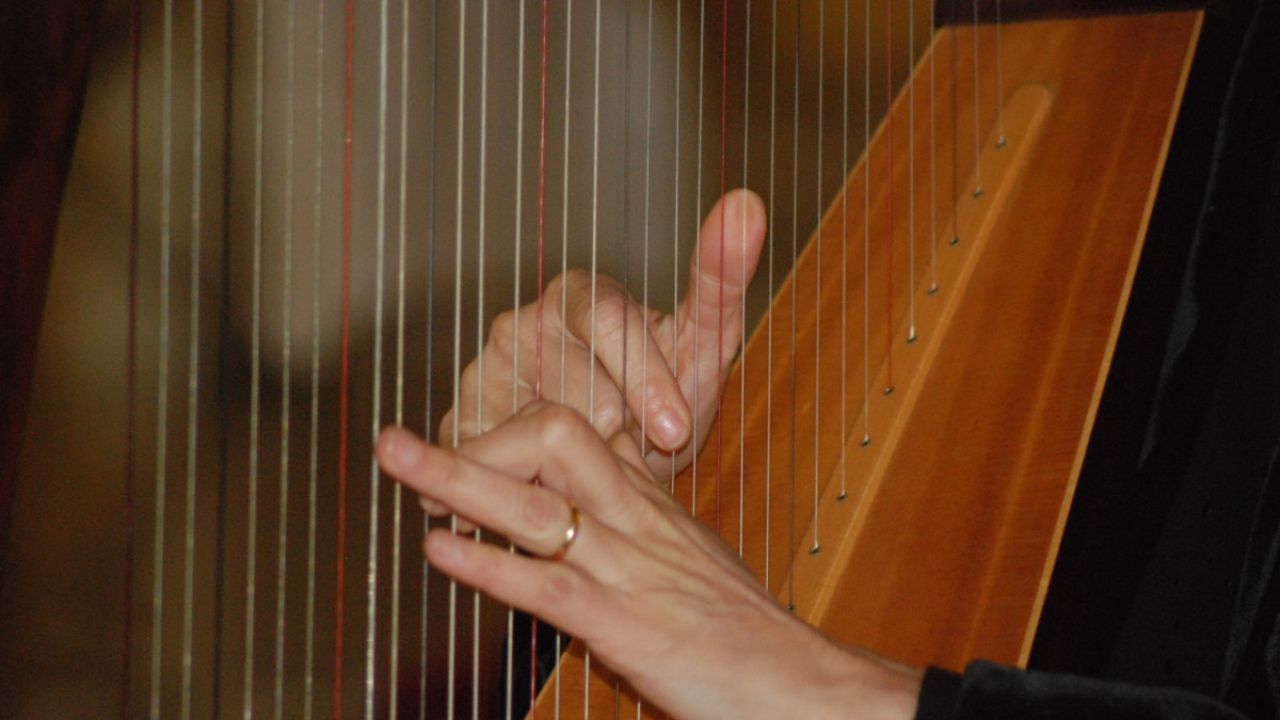
Much like the clarsach (Celtic harp) represented music and storytelling (learn more here), tartan weaving became an art form that spoke without words.
Suppression and Revival
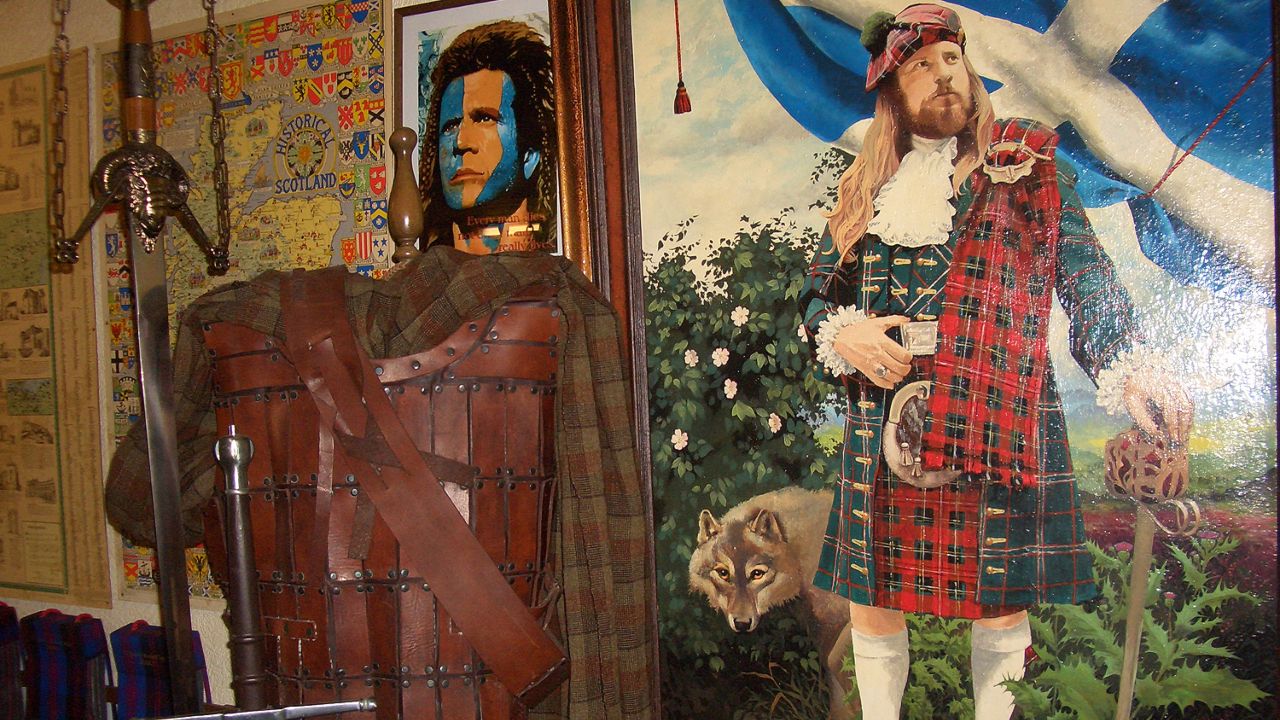
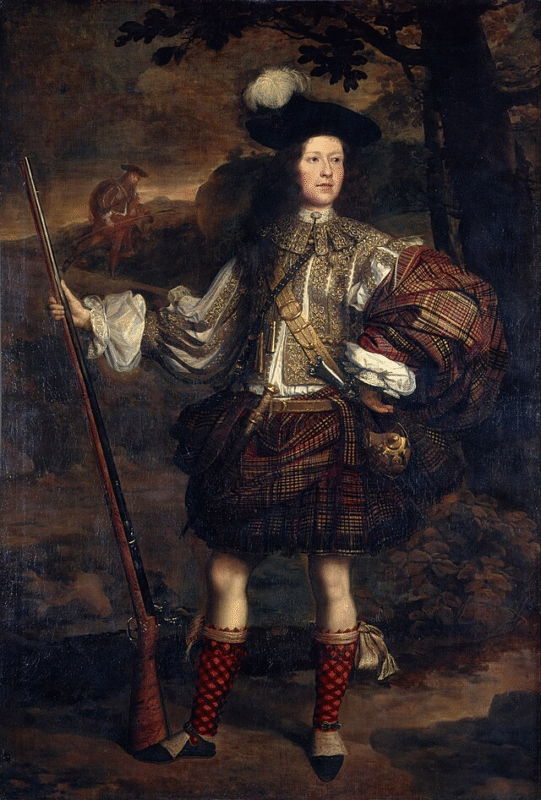
Following the Jacobite rising of 1745, the British government banned the wearing of Highland dress, including tartan. For decades, tartan weaving was driven underground. Yet, in the 19th century, it roared back into popularity, helped by royal patronage and romantic nationalism.
This revival was similar to the cultural renaissance that celebrated Scottish Gaelic Bible translations and the preservation of Gaelic lullabies.
Tartan in Today’s World
Today, tartan remains a proud marker of heritage—woven into kilts, tartan sashes, shawls, and fashion. It also appears on global runways and in popular culture, proving that tartan weaving is not just about tradition but also innovation.
- Explore how Scottish tartan shawls carry this heritage into modern fashion.
- Or see how tartan makes its mark in movies and shows.

Conclusion: A Living Heritage
Clan tartan weaving is more than craft—it is the weaving of memory, loyalty, and legacy. Each thread carries not just color but history, ensuring that Scottish clans live on, one sett at a time.
For more cultural insights, explore the CeltGuide blog where Scottish and Celtic traditions continue to come alive.