Traditional Irish Courtship: Rituals of Love

Traditional Irish courtship rarely rushed. Love developed through conversation, patience, and the quiet involvement of community. When I study these customs, what strikes me most is the balance: affection mattered, but so did responsibility. Romance lived side by side with realism.
Courtship unfolded in open view. When a young man escorted a girl home from a dance, neighbors noticed. They read gestures and behavior the way scholars read manuscripts. Character mattered more than charm. Families watched how someone spoke, how they worked, and how they treated elders.
In Ireland, storytelling shaped how people understood one another. Narratives; funny, tragic, wise, taught lessons about loyalty and loss. To see how storytelling remains central today, explore:
https://celtguide.com/why-are-irish-people-natural-storytellers/
Matchmaking: Blending Practicality and Emotion
Matchmaking did not simply impose marriages. Instead, it guided young people toward stability. Traveling matchmakers and respected elders looked at land, livelihoods, and future prospects. They tried to protect both families from hardship.
Yet choices remained personal. Couples could refuse. Affection often began as friendship and slowly deepened. In this sense, Irish courtship valued conversation more than drama. It trusted time.
Symbols That Carried the Weight of Promise
Irish culture communicates through symbols. Few symbols capture courtship better than the Claddagh ring. The heart stands for love. The hands signify friendship. The crown represents loyalty. Even orientation mattered: worn pointing outward, it suggested the wearer was open to love; turned inward, it hinted at commitment.
This simple ring carried entire conversations without a single word spoken.
Learn more here:
https://celtguide.com/claddagh-ring-meaning-history-and-symbolism/

Music, Dance, and the Art of Meeting
Courtship often began at communal gatherings, especially ceilí dances. These events felt lively, but they also served as social classrooms. Young people danced together, spoke between songs, and watched how others treated friends and neighbors. Music created both memory and courage.
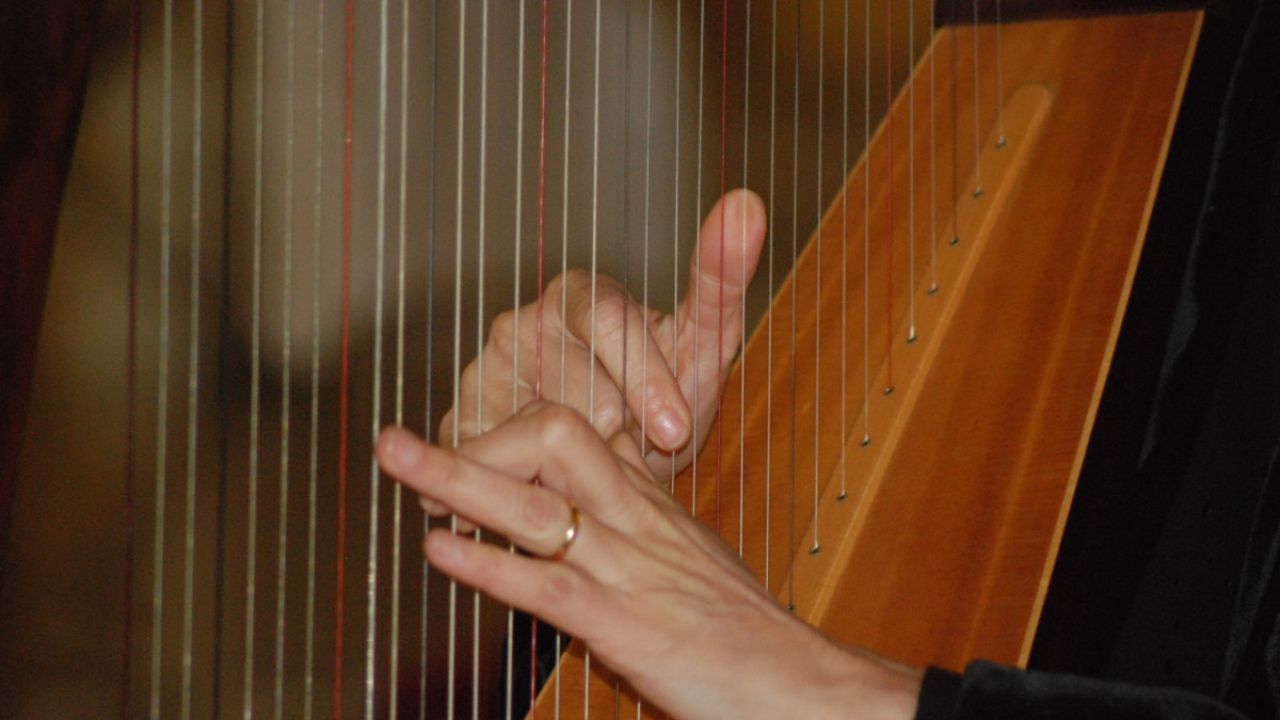
Instruments such as the bodhrán and the fiddle carried centuries of rhythm. They reminded listeners that every generation had loved, worried, laughed, and hoped before them.

Engagement as a Public Promise
Engagement represented intention rather than spectacle. Many couples exchanged modest gifts — a ring, a shawl, or a treasured keepsake. Families gathered, shared food, teased the couple, and spoke blessings. Community reinforced commitment.
Some rituals took place near holy wells or sacred landscapes. These places linked relationships to land, ancestry, and faith. They reminded everyone that love belonged to something larger than the couple alone.

Read more here:
https://celtguide.com/irish-holy-wells-portals-to-the-past-pathways-to-the-divine/
What Traditional Courtship Teaches Us Today
Traditional Irish courtship encourages us to slow down. It insists that trust cannot be hurried. It shows that families, communities, and stories all shape how love survives. These customs valued loyalty, steadiness, and humor, qualities that still matter in modern relationships.
They remind us that love is not simply a feeling. It is a commitment to build a life together, supported by those who care.
For more explorations of Irish heritage and culture, continue reading:
https://celtguide.com/blog/