The Role of Irish Emigration in Global History

For centuries, the Irish have crossed oceans in search of survival, opportunity, and freedom. Their journeys created one of the world’s most influential diasporas, a movement that reshaped nations and identities alike. From the crowded ports of Cork to the bustling streets of New York and Sydney, Irish emigration tells a story of endurance and transformation.
Much like the deep symbolism behind the Claddagh Ring, with its heart, hands, and crown, Irish emigration represents love, loyalty, and the unbreakable bond between people and homeland.
The Great Famine: A Catalyst of Departure
The Irish Potato Famine of the 1840s marked a turning point in Irish history. As famine ravaged the land, millions faced starvation and poverty. Ships became lifelines, grim vessels of hope that carried the Irish across the Atlantic.
Between 1845 and 1855, over 1.5 million people left Ireland. For many, this was not a choice but a last resort. These emigrants carried with them songs, stories, and faith, threads of a culture they refused to let die.
Even in exile, they preserved the art of storytelling, something explored in our feature on Why Irish People Are Natural Storytellers. Through tales of hardship and hope, they kept their identity alive in a foreign world.
Irish Influence Across the Atlantic
The Irish presence in America became a cornerstone of the nation’s development. From laborers who built railroads to leaders who shaped politics, their contributions were profound. Cities like Boston, New York, and Chicago became Irish strongholds, places where heritage intertwined with ambition.
Irish emigrants also brought with them music, faith, and festivity. Their songs, carried by fiddles and bodhráns, echoed in immigrant gatherings, much like the vibrant beats of the Bodhrán Drum that kept tradition alive through rhythm.

Beyond America: Global Irish Footprints
Irish emigrants didn’t only shape North America, their influence stretched to Australia, Canada, South Africa, and Argentina. In each region, they built communities grounded in faith, family, and resilience.
In Australia, the Irish helped shape politics and education, while in Argentina, they established strong farming communities. Their global journey reflects the same adaptability that defines the Celtic Oak Tree — deeply rooted, yet capable of growth wherever it’s planted.
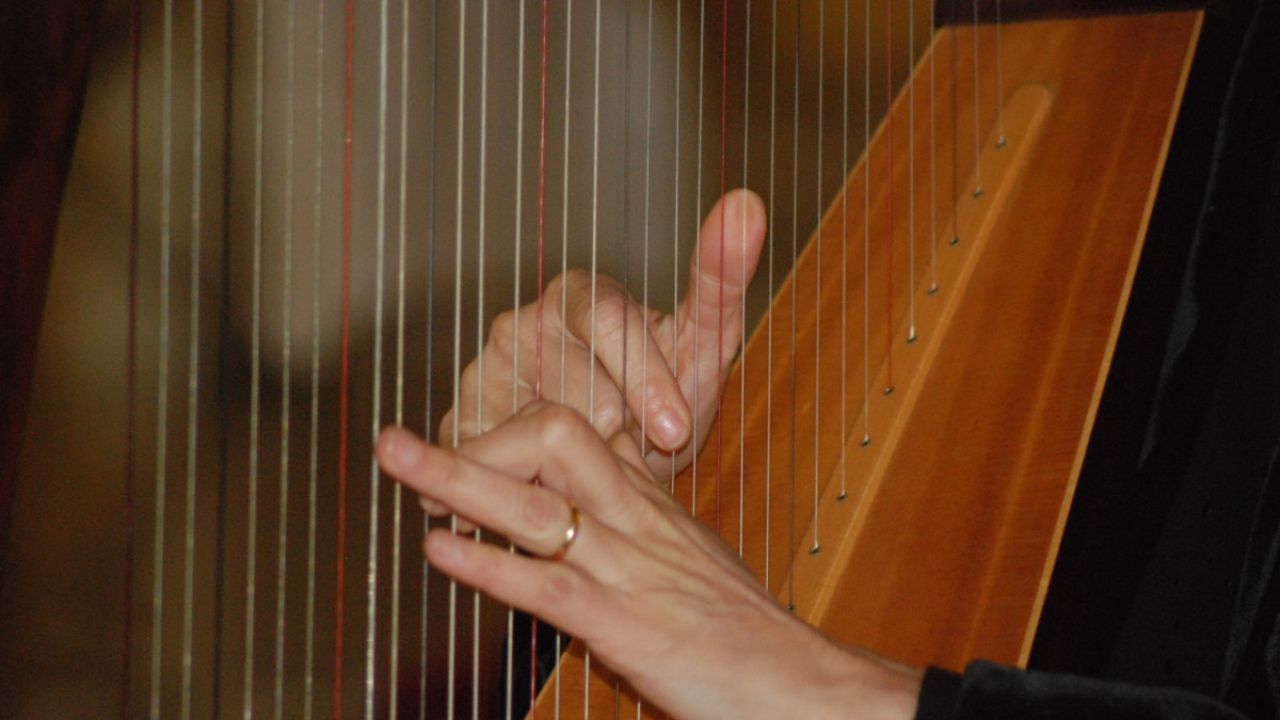
The Irish legacy abroad also strengthened the global appreciation of Celtic identity, art, and music. The haunting beauty of the Celtic Harp and the poetic cadence of Irish ballads became symbols of an enduring culture that could not be silenced by distance.
Faith, Language, and Identity Across Borders
Faith traveled with the Irish. Churches, schools, and community centers became anchors for emigrant life. These institutions preserved not only Catholicism but also Irish language and tradition. In many diaspora communities, Gaelic words still echo in everyday speech and music, reminding generations of their ancestral tongue.
Much like the preservation of ancient texts such as the Scottish Gaelic Bible Translations, Irish emigrants ensured that their spiritual and cultural roots would not fade in foreign soil.

Modern Reflections: The Global Irish Identity
Today, over 70 million people worldwide claim Irish ancestry. This vast diaspora has not only maintained connections with Ireland but also shaped the global understanding of Irish identity. Whether through literature, music, or sport, the Irish influence endures.
Every St. Patrick’s Day, from New York to Tokyo, green lights and laughter illuminate the shared memory of migration and belonging, a celebration of survival and spirit, explored further in our piece on The Significance of Saint Patrick’s Day.
The Irish story is global because it is deeply human. It speaks to resilience, reinvention, and the search for home wherever the heart may settle.
Conclusion: The Echo of Departure
The role of Irish emigration in global history is not just a story of loss. It is one of legacy. Each emigrant who left Ireland carried a piece of its soul across the seas — planting seeds of culture, courage, and creativity in every corner of the world.
Their journeys remind us that home is not confined to land, but lives in the language, laughter, and shared memories of a people who never truly left Ireland behind.