The Legend of Rob Roy MacGregor: Scotland’s Outlaw Hero
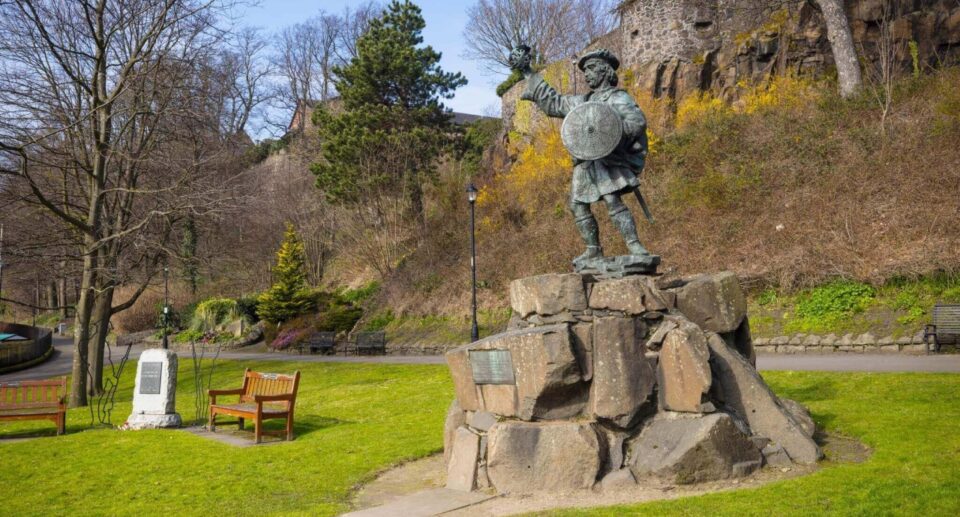
Few figures in Scottish history stand at the crossroads of fact and legend as vividly as Rob Roy MacGregor. His life reads like a Highland ballad, filled with clan loyalty, betrayal, political intrigue, and daring escapes. To many Scots, Rob Roy represents the archetype of the Highland rebel: flawed yet courageous, feared yet admired.
His story reflects the wider history of the Scottish Highlands, where clan identity, land disputes, and political upheaval shaped everyday life.
Rob Roy MacGregor: The Historical Man
Rob Roy MacGregor was born in 1671 near the rugged landscape of the Scottish Highlands, an environment that shaped both his character and his destiny. His birth name was Robert MacGregor, and he belonged to Clan MacGregor, one of the most storied clans in Scotland.
The clan itself faced centuries of persecution. In fact, the name MacGregor was once outlawed by the Scottish crown, forcing many clan members to adopt different surnames. Understanding this context helps explain Rob Roy’s lifelong struggle against authorities.
For readers exploring the broader clan system, the article on https://celtguide.com/how-many-scottish-clans/ provides helpful insight into the complex network of Scottish clan identities.

Rob Roy initially lived as a cattle trader. In the Highlands, cattle were more than livestock; they represented wealth, power, and survival. However, financial difficulties and political tensions pushed him toward a life that authorities labeled as outlawry.
The Origins of the Rob Roy Legend
The nickname “Rob Roy” comes from the Gaelic Raibeart Ruadh, meaning “Red Robert,” a reference to his reddish hair.
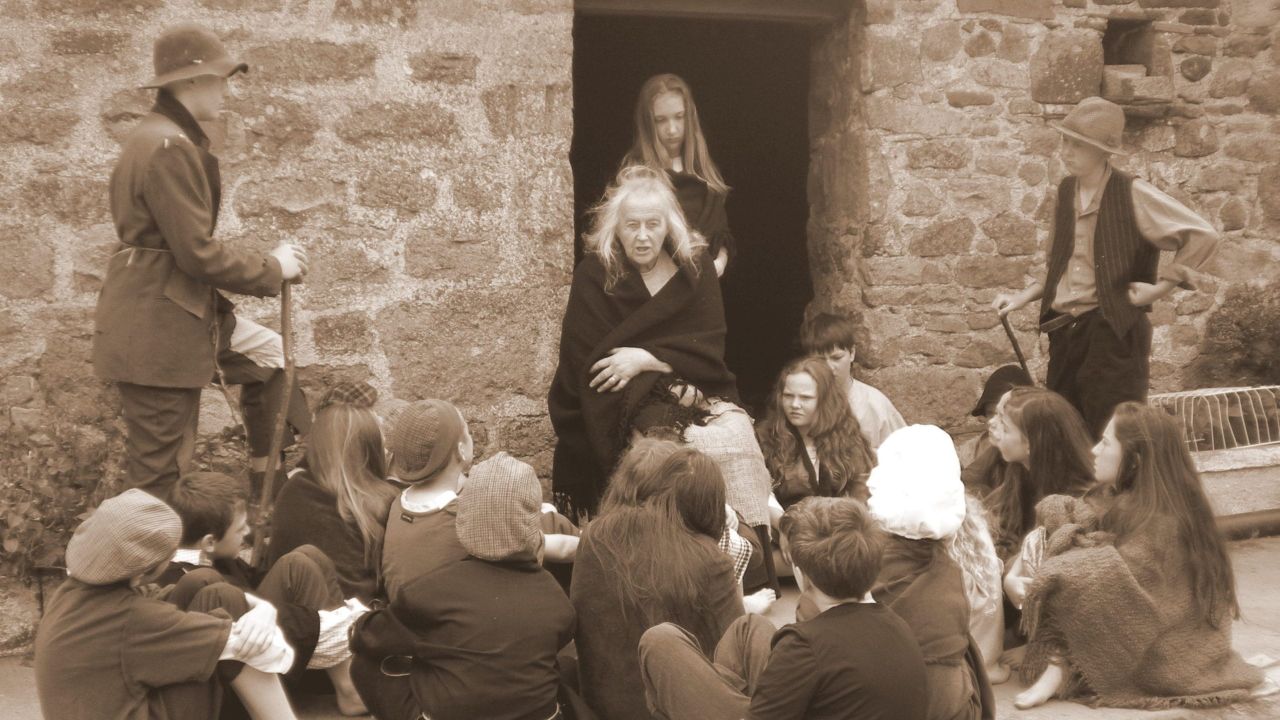
Stories of Rob Roy spread rapidly across the Highlands. Some tales describe him as a noble defender of the poor. Others portray him as a cunning outlaw who mastered guerrilla tactics in the mountainous terrain.
Like many Celtic legends, the truth lies somewhere between these extremes. Oral storytelling played a crucial role in preserving his reputation. In cultures where stories carried history across generations, figures like Rob Roy naturally evolved into mythic heroes.
The tradition of storytelling itself remains deeply rooted in Celtic culture, as discussed in https://celtguide.com/why-are-irish-people-natural-storytellers/.
Conflict with the Duke of Montrose
The defining chapter of Rob Roy’s life involved a bitter feud with James Graham, the Duke of Montrose.
Rob Roy had borrowed money to expand his cattle business. When the venture collapsed after his chief herdsman disappeared with the funds, Montrose demanded repayment. Unable to pay, Rob Roy became an outlaw.
Rather than surrender, he launched a campaign of retaliation. He and his supporters conducted raids across Montrose’s lands, embarrassing one of Scotland’s most powerful nobles.
These acts transformed Rob Roy into a symbol of resistance among Highland communities.
Life as an Outlaw in the Highlands
Rob Roy’s survival depended on his deep knowledge of the Highland landscape. The glens, forests, and lochs offered both shelter and strategic advantage.
Many stories place him around Loch Lomond and the surrounding hills. If you are curious about this iconic region, you may enjoy reading https://celtguide.com/is-loch-lomond-in-the-highlands/, which explores its geography and cultural significance.
Rob Roy often relied on networks of local supporters who provided food, intelligence, and shelter. This loyalty reflected the powerful bonds that existed within Highland clan society.

The image of the Highland warrior, often wearing distinctive tartan clothing, became closely associated with such figures. For readers interested in this iconic pattern, see https://celtguide.com/what-is-tartan/.
Rob Roy in Literature and Popular Culture
Rob Roy’s legend expanded dramatically in the nineteenth century. The Scottish author Sir Walter Scott published the novel Rob Roy in 1817, bringing the outlaw’s story to international audiences.
Scott’s portrayal blended historical research with romantic imagination. As a result, Rob Roy emerged as a heroic Highland figure similar to England’s Robin Hood.
The image of Highland culture; including kilts, tartans, and traditional weapons such as the dirk, became part of this romantic narrative. You can learn more about this weapon in https://celtguide.com/what-is-a-dirk-knife/.

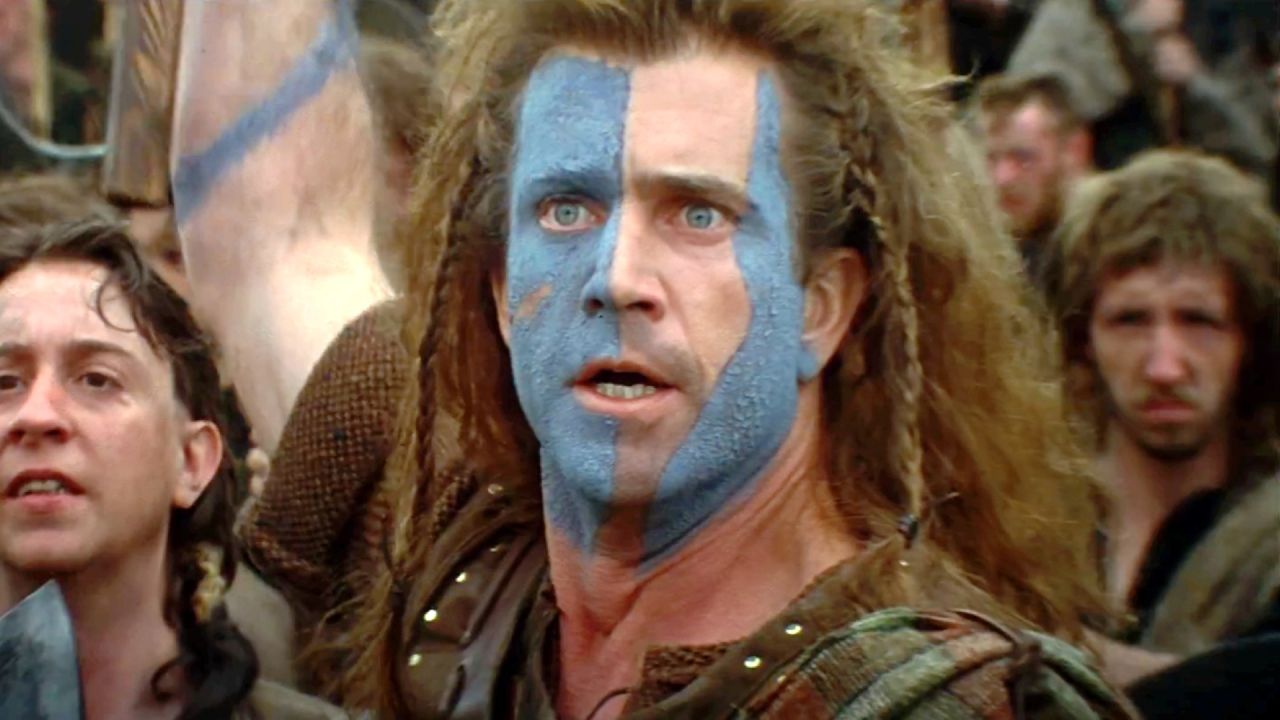
Over time, films, books, and historical tours continued to reinforce Rob Roy’s reputation as one of Scotland’s most fascinating folk heroes.
Death and Enduring Legacy
Rob Roy MacGregor died in 1734, reportedly in his seventies. Despite his outlaw status, he was never executed by the government that pursued him for years.
His legacy survived in ballads, folklore, and regional memory. Today he remains a symbol of Highland resilience and defiance.
Rob Roy’s story also reminds us how Scottish history often blends lived experience with legend. In the Highlands, memory travels through music, stories, and landscapes.
Conclusion
The legend of Rob Roy MacGregor endures because it captures the spirit of the Scottish Highlands. His life reflects the struggles of clan society, the tensions between authority and independence, and the power of storytelling.
Whether viewed as outlaw, hero, or both, Rob Roy occupies a lasting place in Scotland’s cultural imagination. His tale continues to echo through Highland glens, where history and legend still walk side by side.