The Highlander’s Fur Cloak: History, Symbolism & Survival
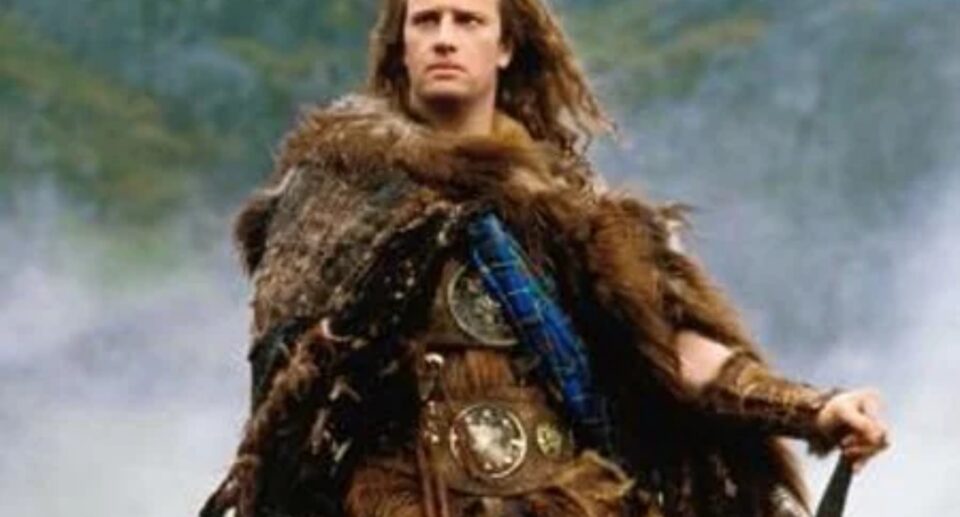
The Scottish Highlands have long carried the reputation of being wild, unforgiving, and beautifully rugged. But to live in such a landscape demanded more than courage, it required clothing that could stand as strong as the Highlanders themselves. Among the most iconic garments in this tradition stands the Highlander’s fur cloak, a piece that offers far more than warmth. It carries history, identity, and the story of a people shaped by their land.
In this blog, I’ll walk you through its origins, how Highlanders used it, what it symbolized, and why it still fascinates historians, artists, and Celtic culture lovers today.
Origins of the Highlander’s Fur Cloak
Long before tartan kilts became the global symbol of Scotland, Highland communities relied on fur and wool to survive the harsh climate. The fur cloak emerged naturally from this need. It was practical, durable, and adaptable—exactly what someone navigating the mountains, glens, and unpredictable storms of the Highlands required.
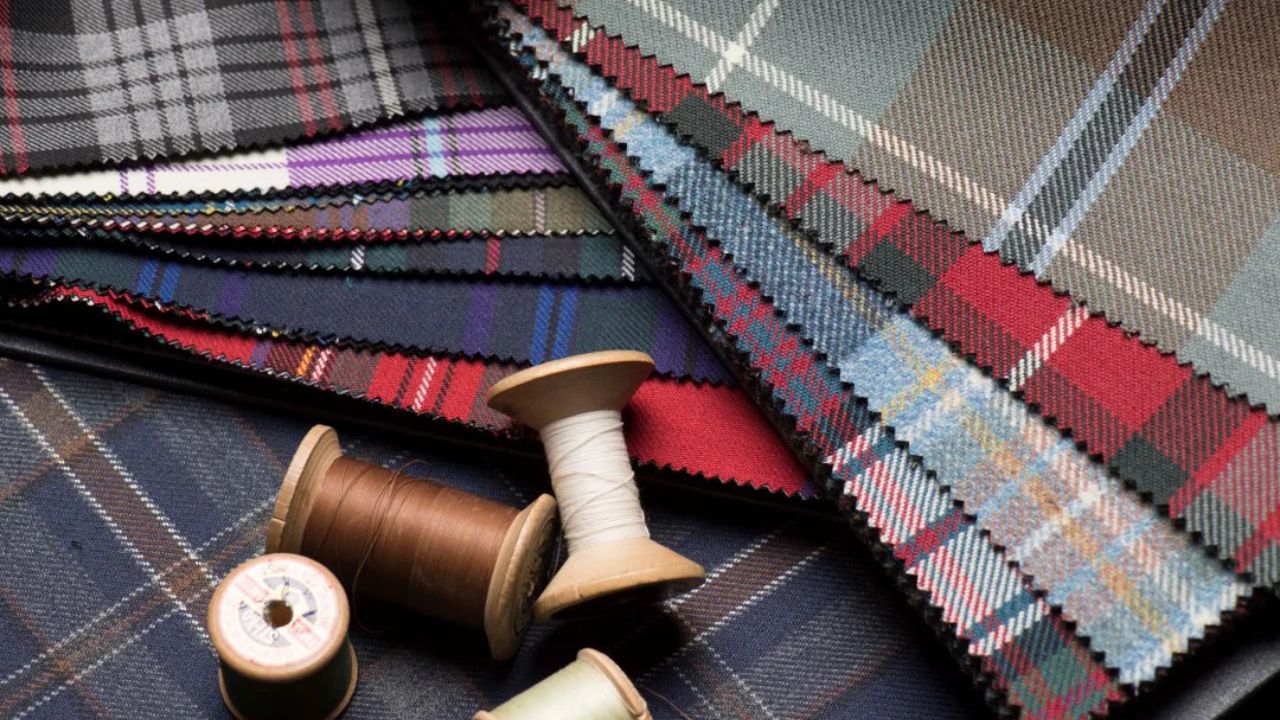
While tartan developed later as a strong identity marker, early Highlanders turned to fur because it was available, warm, and weather-resistant. For readers curious about the evolution of tartan, explore our guide on What Is Tartan? and How Long Has the Tartan Print Been Around?.
More Than Warmth: How the Fur Cloak Worked
The Highlander’s fur cloak wasn’t just a garment, it was a multipurpose survival tool. Its dense fibres created insulation, shedding rain, blocking wind, and holding warmth even when damp. Highlanders wore it draped over the shoulders by day and used it as a blanket at night.
The cloak also offered practical advantages:
- Protection during long cattle drives
- Warmth during hill treks
- A shield against Highland rain
- Bedding during travel
- A barrier against snow on winter nights
This adaptability made the fur cloak a trusted companion.
A Marker of Clan Identity and Status
Although fur cloaks served everyone, certain types of fur signaled higher status. Chiefs or warriors sometimes wore cloaks made from rarer pelts, while everyday Highlanders used deer, wolf, or goat skins.
The cloak worked alongside other iconic Highland symbols. For example, the dirk knife, another key item of Highland identity, is explored in detail in our post What Is a Dirk Knife?.
Clan identity also shaped the colors and styling of garments, a topic you can explore further in How Many Scottish Clans Are There?.
The Cloak in War and Travel
Highlanders were known for their mobility and endurance, qualities partly supported by practical clothing. During long marches or clan conflicts, the cloak protected them in the open air. Some historical accounts even describe Highlanders soaking their cloaks in water before battle to create makeshift armor.
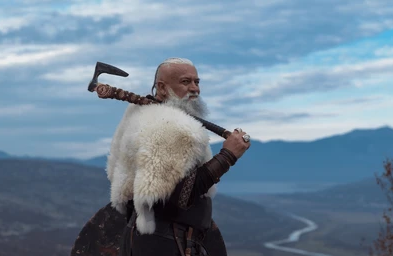
Traveling across the Highlands also meant crossing wild terrain. The cloak served as a portable shelter, which was essential in a world where inns and structured lodgings were sparse.
Folklore and Symbolism Around the Fur Cloak
Celtic folklore often blends the natural world with spiritual meaning. Highlanders believed certain animals carried protective energies. Wearing their fur was seen not only as practical, but symbolically protective.
This relationship between nature, spirit, and Scottish identity echoes themes from our articles on mythology, such as The Celtic Sun God Lugh and Selkies in Folklore.
The cloak also represented resilience—a trait woven into Scottish storytelling, music, and culture. For a deep dive into Scottish landscapes and their influence, explore Is Loch Lomond in the Highlands?.
The Cloak in Modern Interpretation
Today, the Highlander’s fur cloak appears in:
- Historical reenactments
- Highland Games events
- Cinematic portrayals
- Modern Celtic fashion
- Museum exhibits
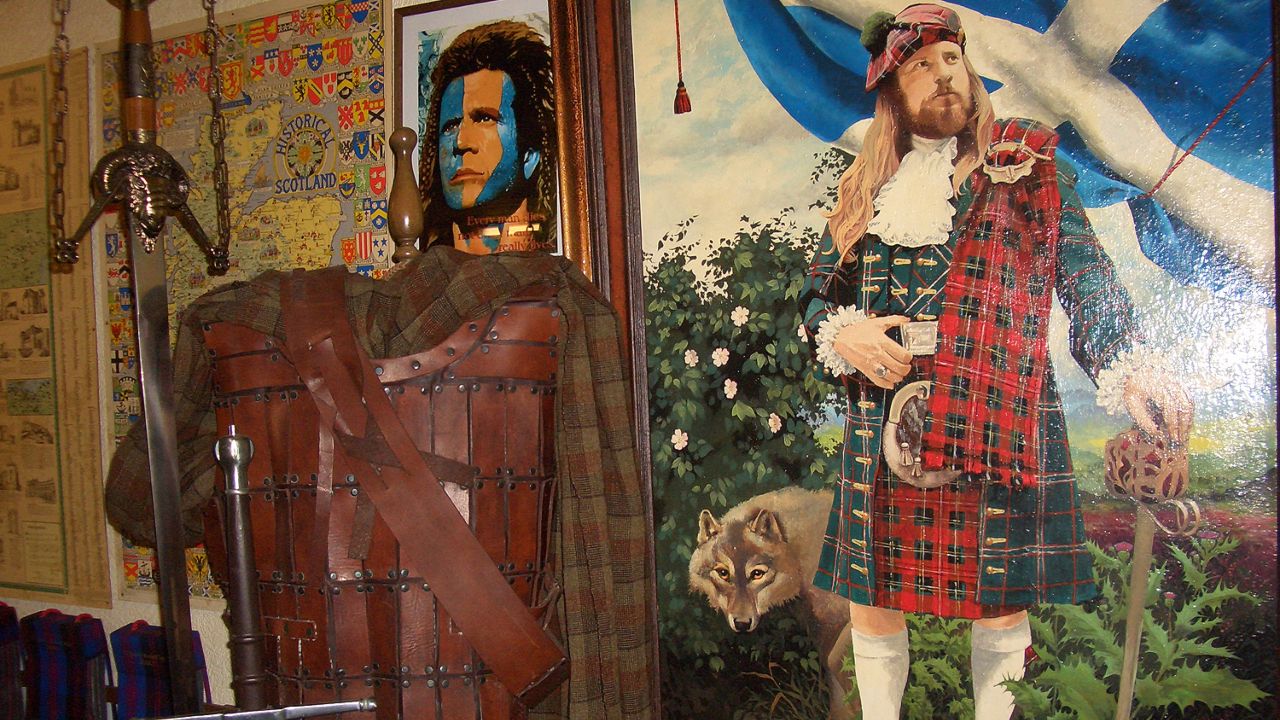
The cloak’s rugged form appeals to artists, writers, and costume designers who want to capture the spirit of ancient Scotland. It also resonates with fans of folklore-driven stories, much like visitors drawn to the Legend of the Fairy Glen.
Final Thoughts: Why the Fur Cloak Still Fascinates Us
The Highlander’s fur cloak survives in memory because it represents more than a garment. It embodies a way of life shaped by landscape, resilience, and cultural identity. It is a reminder of how people lived, adapted, and thrived in the Highlands long before modern comforts existed.
If you enjoy exploring the deeper textures of Celtic history and fashion, don’t forget to browse our full collection of stories at the CeltGuide Blog.