The Glencoe Massacre Legends: Betrayal in the Highlands

Few events in Scottish history carry the emotional weight of the Glencoe Massacre. More than a political incident, it lives on as legend, warning, and wound. In the Highland imagination, Glencoe represents broken hospitality, clan loyalty betrayed, and memory etched into landscape.
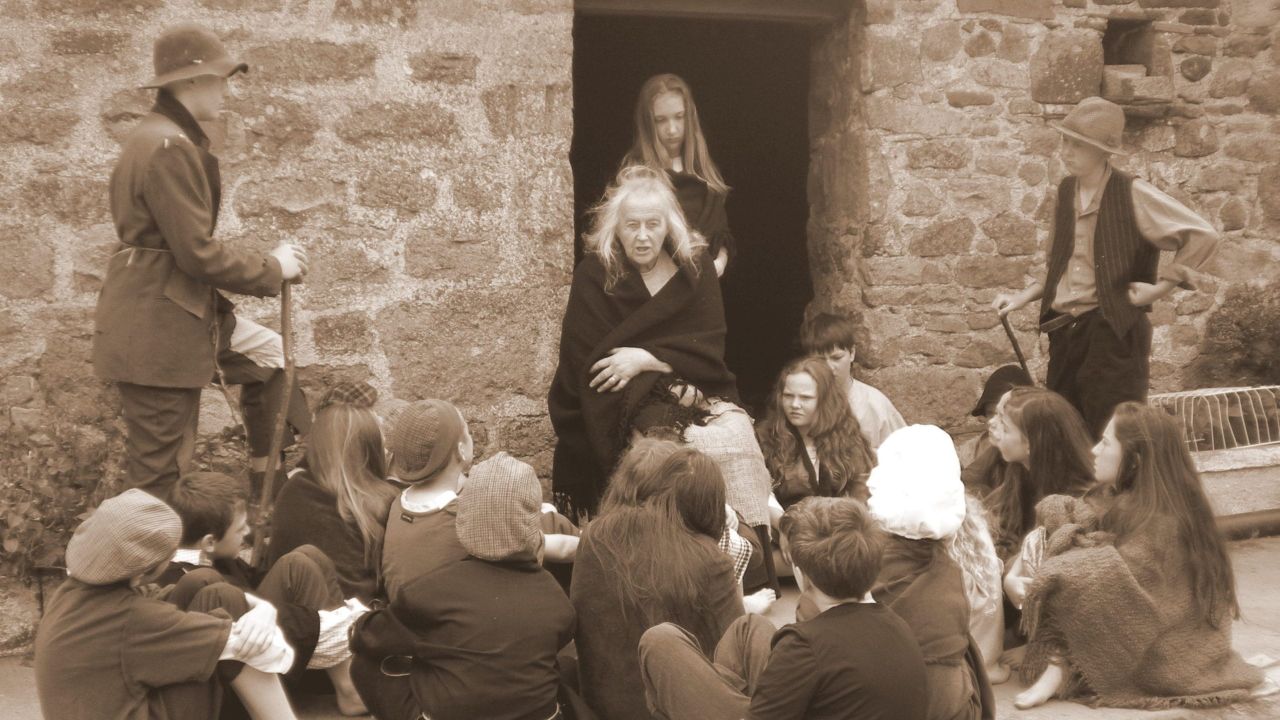
The story endures because Scotland, like Ireland, values oral history. Storytelling preserved truth when official records softened it. This cultural instinct explains why legends such as Glencoe survive across centuries, much like those explored in why Irish people are natural storytellers.
What Happened at Glencoe?
In February 1692, government soldiers killed members of Clan MacDonald of Glencoe after staying among them as guests. The killings followed political tension after the Jacobite uprisings, when Highland chiefs were ordered to swear allegiance to King William III.
Clan MacDonald’s oath arrived late. Bureaucratic delay sealed their fate.
The massacre violated one of the most sacred Highland laws: hospitality. This breach elevated the event beyond politics. It became a moral crime remembered long after treaties faded.
Clan Culture and the Weight of Betrayal
To understand the shock, one must understand clan society. Clans formed kinship networks, not just military units. Trust sustained survival in harsh Highland terrain.
When betrayal occurred inside that system, the damage reached every level of identity. The horror of Glencoe echoes through broader clan history, explored further in how many Scottish clans.
This was not war between equals. It was murder within shelter.

Landscape as Witness: Why Glencoe Still Speaks
Glencoe itself deepens the legend. The steep mountains, narrow passes, and isolating weather shaped both daily life and memory. The land feels present, almost accusatory.
Scotland often treats landscape as historical record. Glens remember what people forget. Nearby regions like Loch Lomond in the Highlands carry similar emotional geography, where nature frames human conflict.
In Glencoe, silence tells the story.
Myth, Memory, and Moral Lesson
Over time, history absorbed legend. Folklore sharpened the moral edge. Songs, poems, and stories transformed the massacre into a cautionary tale about power and loyalty.
Music played a role in this remembrance. Instruments such as the clàrsach, Scotland’s ancient harp, often accompanied laments that preserved communal grief, similar to how sound shapes memory in Celtic cultures.
The Glencoe story warns rulers and listeners alike: authority without honor destroys trust.
Tartans, Identity, and Cultural Survival
Although tartans became formalized later, modern Highland identity often frames Glencoe through tartan symbolism. Clan patterns today represent survival rather than defeat.
Understanding tartan’s deeper meaning adds context to how Scots remember Glencoe, as explored in what is tartan and how long have tartan prints been around.
Cultural symbols did not erase trauma. They carried it forward.
Glencoe in Modern Scotland
Today, Glencoe attracts visitors seeking beauty, history, and reflection. The site does not sanitize its past. Memorials stand quietly. Stories remain raw.
The massacre’s endurance mirrors other Celtic legends where loss, warning, and memory intertwine. From ancient myths to historical tragedy, Scotland refuses to forget.
That refusal shapes national identity.
Why the Glencoe Massacre Legends Still Matter
The Glencoe Massacre legends endure because they ask timeless questions. What happens when power overrides honor? What does loyalty demand? Who carries responsibility when law excuses cruelty?
Glencoe teaches that history is not only written by victors. It is remembered by valleys, families, and stories passed down in quiet voices.
The Highlands still listen.