Sporrans: Tradition, Style, and Scottish Heritage

Sporrans are more than just leather pouches worn with kilts. They are a cornerstone of Scottish Highland dress, blending practicality, artistry, and centuries of cultural identity. Understanding sporrans offers a glimpse into Scottish history, the evolution of fashion, and the way communities celebrated both function and flair.
These pouches, worn at the front of a kilt, served a practical purpose: traditional kilts had no pockets. Yet over time, sporrans became symbolic; reflecting social status, clan identity, and even personality. Today, they remain essential for anyone embracing Highland attire, whether at ceremonial events, weddings, or Highland games.
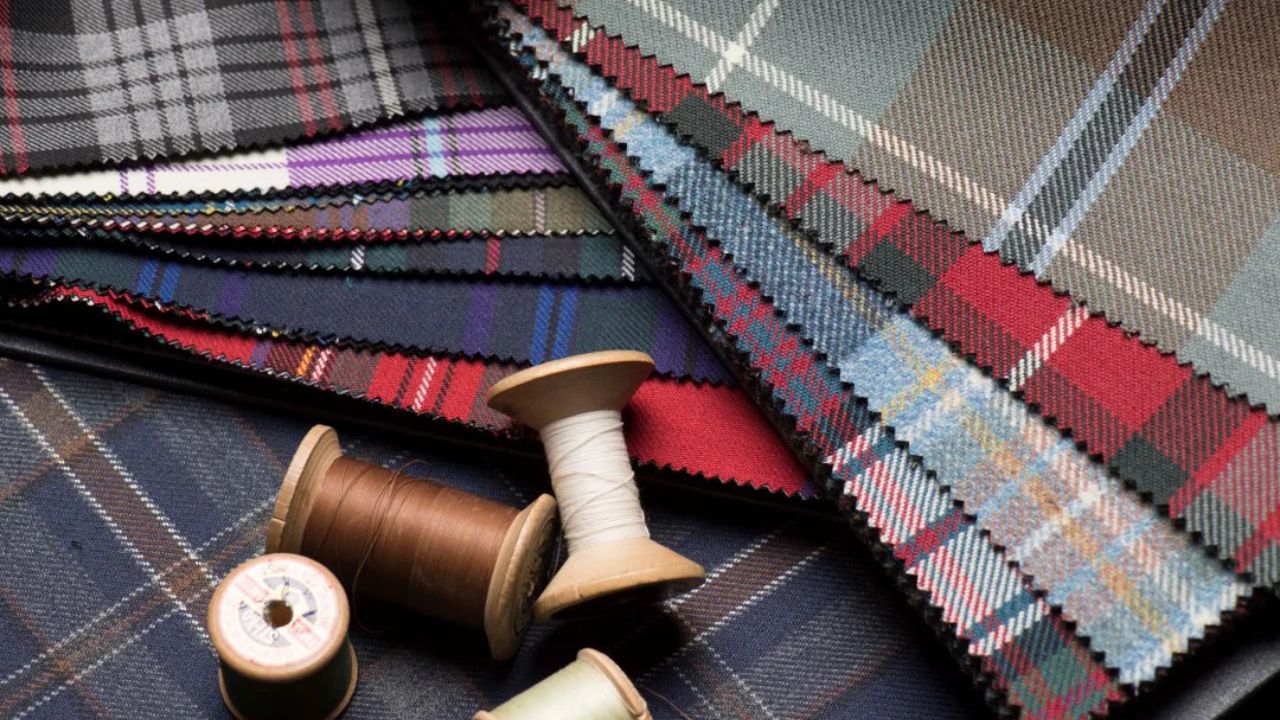
For context on Highland dress and tartans, You can explore:
https://celtguide.com/what-is-tartan/
https://celtguide.com/do-irish-wear-kilts/
The Origins of Sporrans
The word “sporran” comes from the Gaelic term for “purse.” Early sporrans were simple leather bags, often reinforced with metal to protect coins and valuables. Highlanders relied on these pouches for everyday life, storing money, tools, or small personal items.
Over time, sporrans evolved into intricate works of art. They incorporated fine leather, fur, and metal embellishments, reflecting the wearer’s wealth, clan, and regional style. Some even featured engraved designs that told stories, much like the carvings found in Celtic stone art. Explore Celtic carvings here:
https://celtguide.com/celtic-stone-carvings/
Styles of Sporrans
Sporrans vary widely in style, each suited to different occasions:
- Day Sporrans: Simple leather pouches for casual wear. Practical and understated.
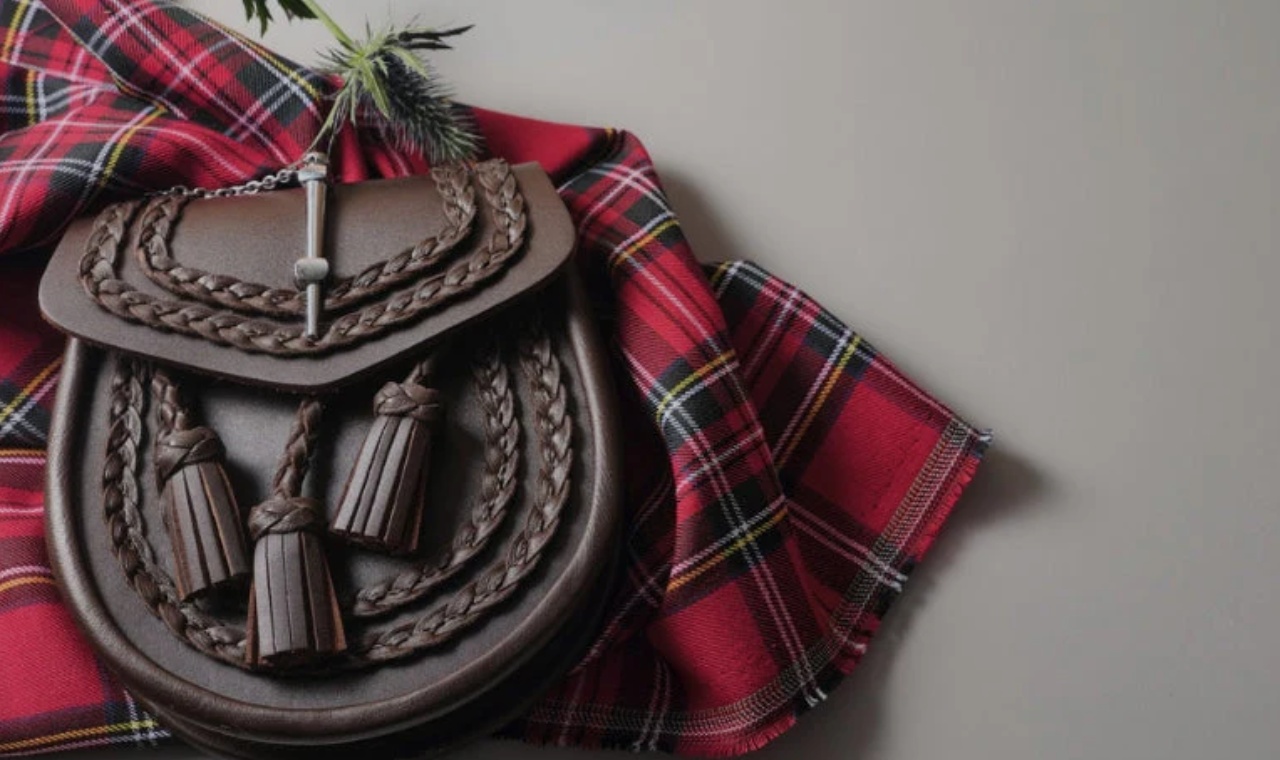
- Dress Sporrans: Larger, more elaborate, often decorated with fur, tassels, or silver accents. Worn at formal events.
- Full Dress Sporrans: Highly ornate, reserved for ceremonial occasions. They showcase craftsmanship with intricate metalwork and fur, reflecting both tradition and status.
The type of sporran chosen conveys subtle messages about respect, ceremony, and cultural knowledge — a fascinating example of material culture acting as communication.

How Sporrans Connect to Scottish Identity
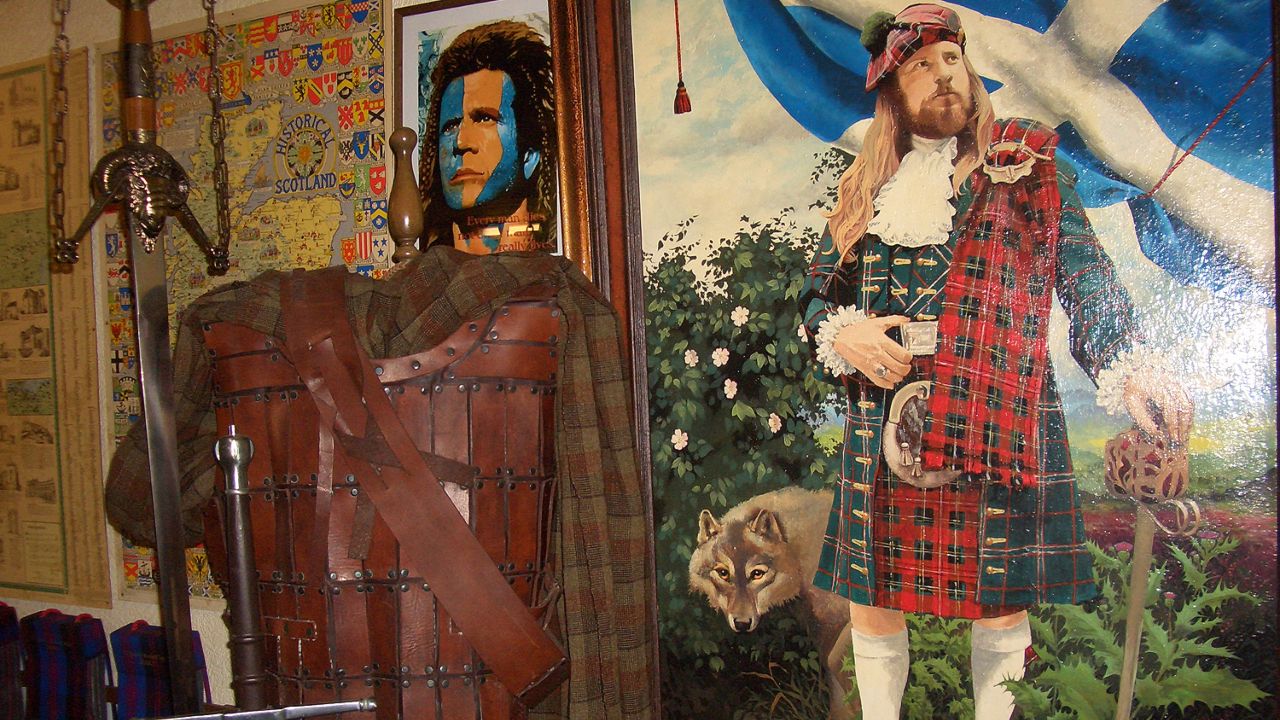
Sporrans are inseparable from Scottish identity. Wearing one signals respect for heritage and an understanding of Highland tradition. In Highland games or weddings, sporrans serve as visual markers of pride, linking the present to centuries of culture.
The choice of material and design can also reflect family or clan identity. For example, certain patterns, metals, or fur types might be associated with particular regions or lineages. This connects sporrans to other aspects of Celtic life, like tartan patterns or ceremonial clothing. Learn more about tartans and how to wear them (https://celtguide.com/how-to-wear-a-tartan-sash/), (https://celtguide.com/how-to-measure-for-a-kilt/).

Sporrans in Modern Times
While historically practical, sporrans today combine function and fashion. Modern makers preserve traditional techniques, often handcrafting leather and fur pouches with painstaking attention to detail. They appear in Highland games, formal events, and even in media representations, highlighting Scotland’s rich cultural heritage.
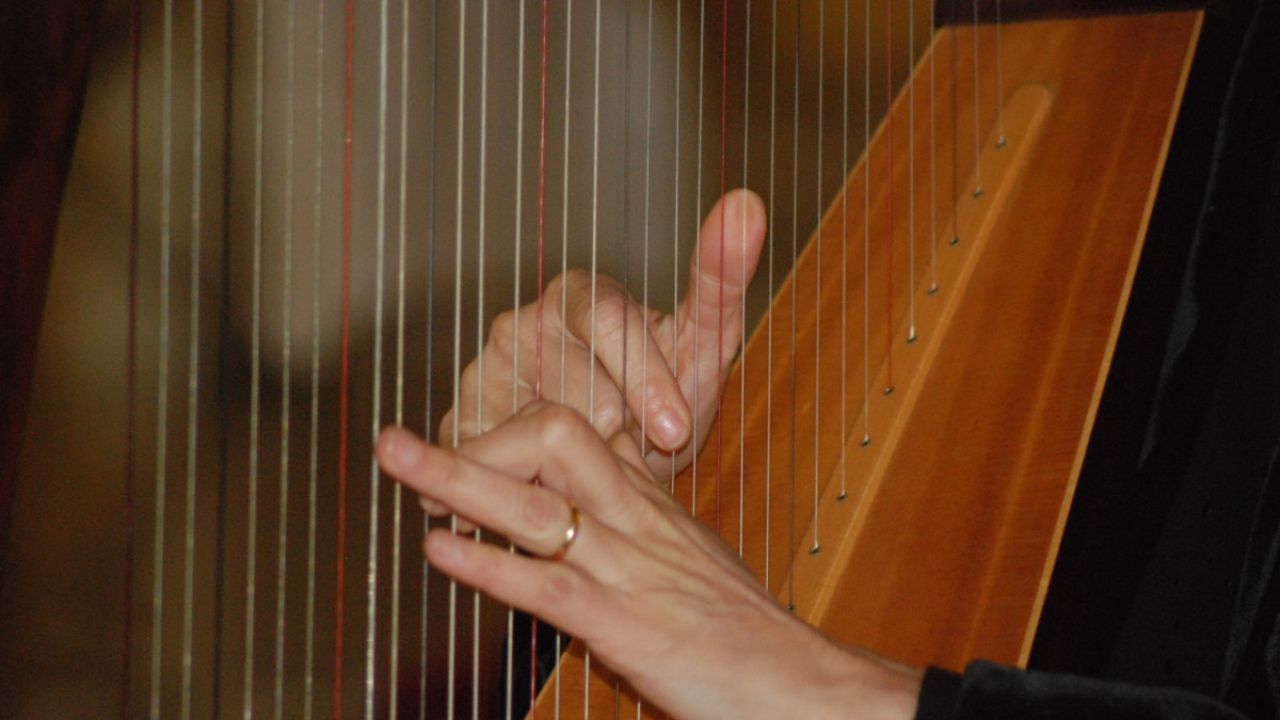
Sporrans also offer an entry point for learning about Scottish history and craftsmanship. Just as Irish Clarsach harps represent musical tradition:
https://celtguide.com/what-is-a-clarsach-a-comprehensive-guide-to-the-celtic-harp/
…sporrans illustrate functional artistry, story, and identity woven into everyday life.

Why Sporrans Matter
Sporrans are more than accessories. They embody the spirit of Scottish communities, balancing utility with expression. They honor the past while remaining relevant in the present, bridging centuries of Highland tradition with contemporary appreciation.
For those exploring Celtic culture, fashion, or history, sporrans provide tangible insight into identity, art, and ceremonial life. They demonstrate that clothing and accessories are never purely functional, they are also carriers of meaning, storytelling, and pride.
For further reading on Scottish culture and Celtic traditions:
https://celtguide.com/blog/