Scottish Tartans in Everyday Clothing Today

Scottish tartans no longer belong only to ceremonial kilts or clan gatherings. Today, they appear in coats, scarves, skirts, and even casual shirts. This shift reflects a broader cultural journey. Tartans have moved from strict identity markers to flexible expressions of heritage and style.
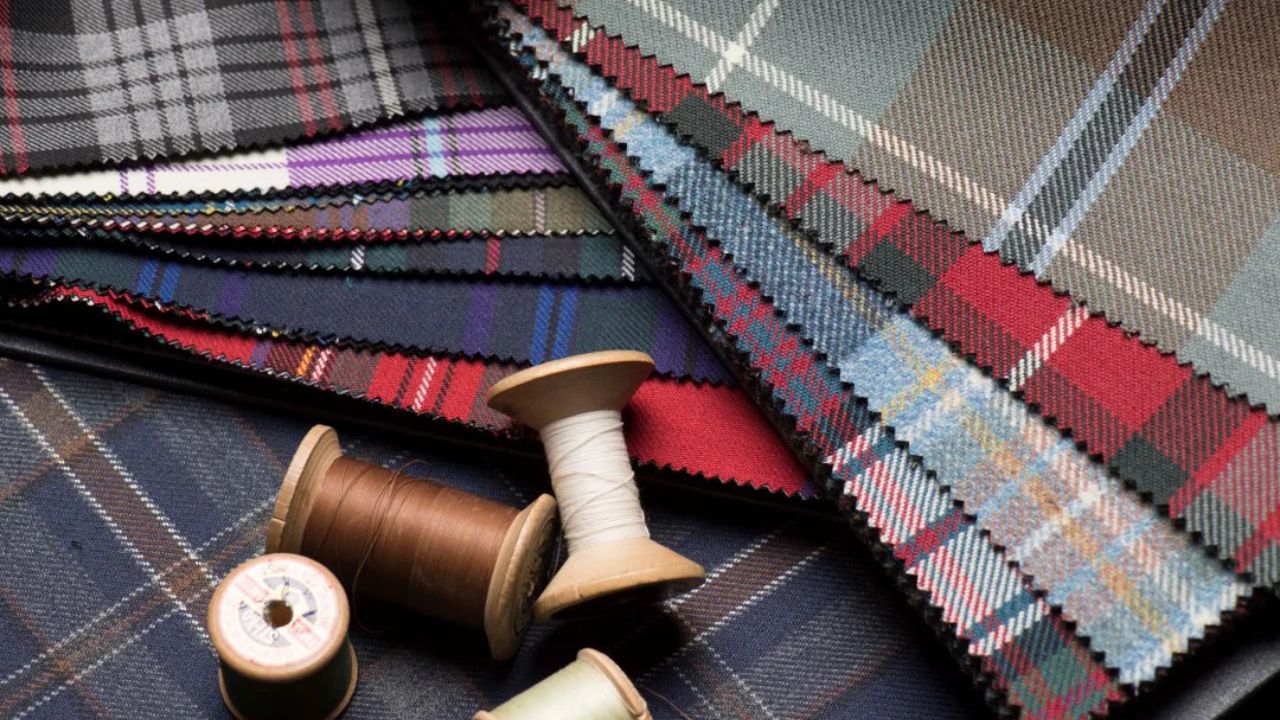
To understand this transformation, we must first appreciate what tartan represents. At its core, tartan is a woven language of color and pattern. Each sett once conveyed regional or familial belonging, a subject explored in detail in what is tartan.
From Clan Symbol to Daily Wear
Historically, tartans signaled loyalty and lineage. After the 18th century, political suppression disrupted this tradition. Yet tartan survived. Over time, it adapted. The Victorian revival and later fashion movements softened rigid rules.
This long evolution is well documented in how long tartan prints have been around. What began as identity cloth gradually became a cultural fabric open to reinterpretation.

Tartans in Modern Scottish Fashion
In contemporary Scotland, tartan integrates seamlessly into daily wardrobes. Wool coats lined with subtle checks, tailored trousers, and lightweight tartan scarves appear across cities and rural communities alike.
Designers often balance heritage with practicality. They adjust color palettes, refine weaves, and select breathable materials. This approach allows tartan to function beyond formal settings.
The relationship between clothing and cultural memory mirrors other Scottish traditions. Even accessories such as the Tam o’ Shanter hat maintain relevance by evolving rather than freezing in time.
Beyond Kilts: Everyday Tartan Pieces
Many people still associate tartan with kilts, yet daily use extends far beyond them. Skirts, blazers, shawls, and even footwear now feature tartan accents.
Guides like how to wear a tartan sash demonstrate how small incorporations preserve respect while encouraging creativity. Similarly, understanding fit remains important, even when adapting tradition, as seen in how to measure for a kilt.

Tartans as Cultural Storytelling
Clothing tells stories. Tartans, in particular, carry layered narratives of place, resistance, and continuity. Wearing tartan today often reflects appreciation rather than ancestry alone.
This storytelling instinct resonates across Celtic culture. The same impulse drives oral traditions discussed in why Irish people are natural storytellers. Fabric, like language, preserves memory through repetition.
Global Influence and Popular Culture
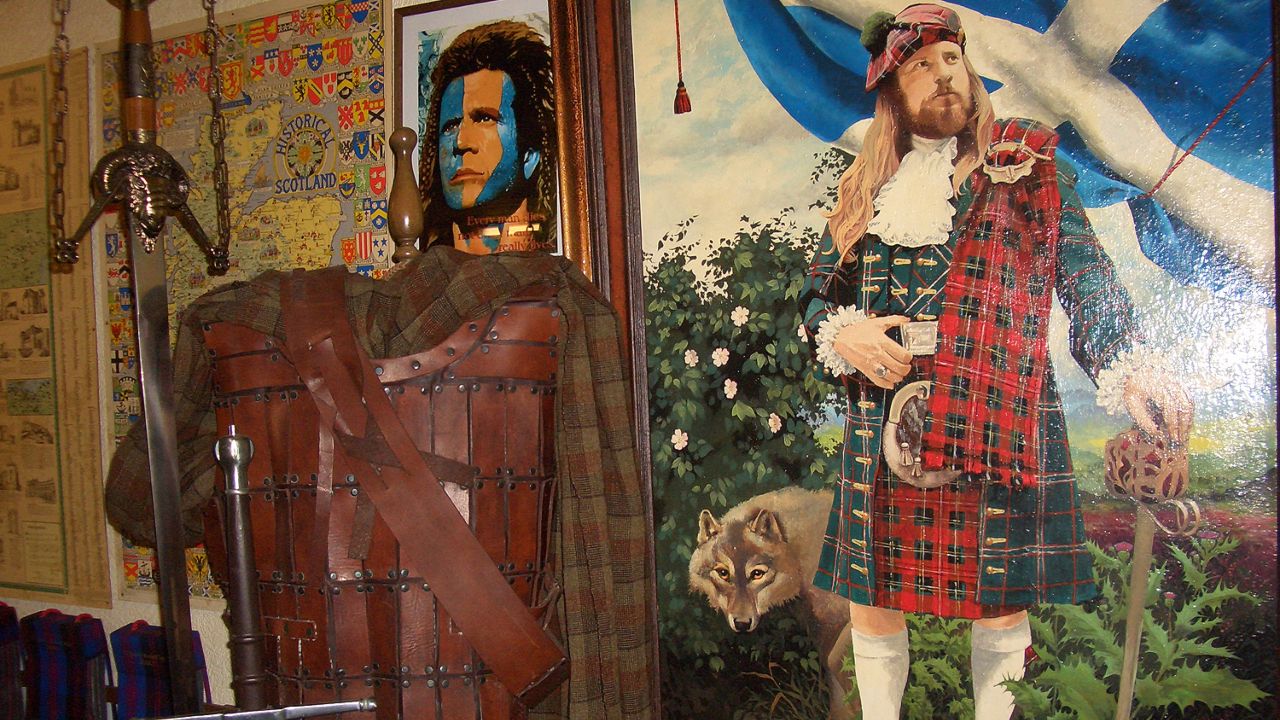
Film, tourism, and international fashion have expanded tartan’s reach. From runways to cinema, tartan signals both rebellion and refinement. Its cinematic appeal appears clearly in kilts in movies and shows.
Despite global popularity, Scottish communities continue to guide authenticity. Local weavers and designers anchor tartan within lived tradition rather than novelty.
Wearing Tartan with Respect Today
Respect begins with understanding. Knowing the difference between universal tartans and clan-specific setts matters. Awareness also strengthens appreciation for the people and histories behind the patterns.
Tartans thrive because they adapt thoughtfully. Much like Scotland’s landscapes and traditions, they honor the past without resisting the present.
Why Tartans Still Matter
Scottish tartans endure because they bridge identity and expression. They allow individuals to participate in heritage without rigid boundaries. In everyday clothing, tartans affirm continuity through change.
They remain not relics, but living textiles.