
Scottish Sgian Dubh Adornments: Symbolism & Style

The Sgian Dubh is more than a small knife tucked neatly into the top of a kilt hose. It represents identity, honour, and the artistry of the Scottish Highlands. When we explore its adornments, gemstones, carved hilts, clan symbols, and precious metals. We uncover a story that stretches across centuries of heritage and craftsmanship.
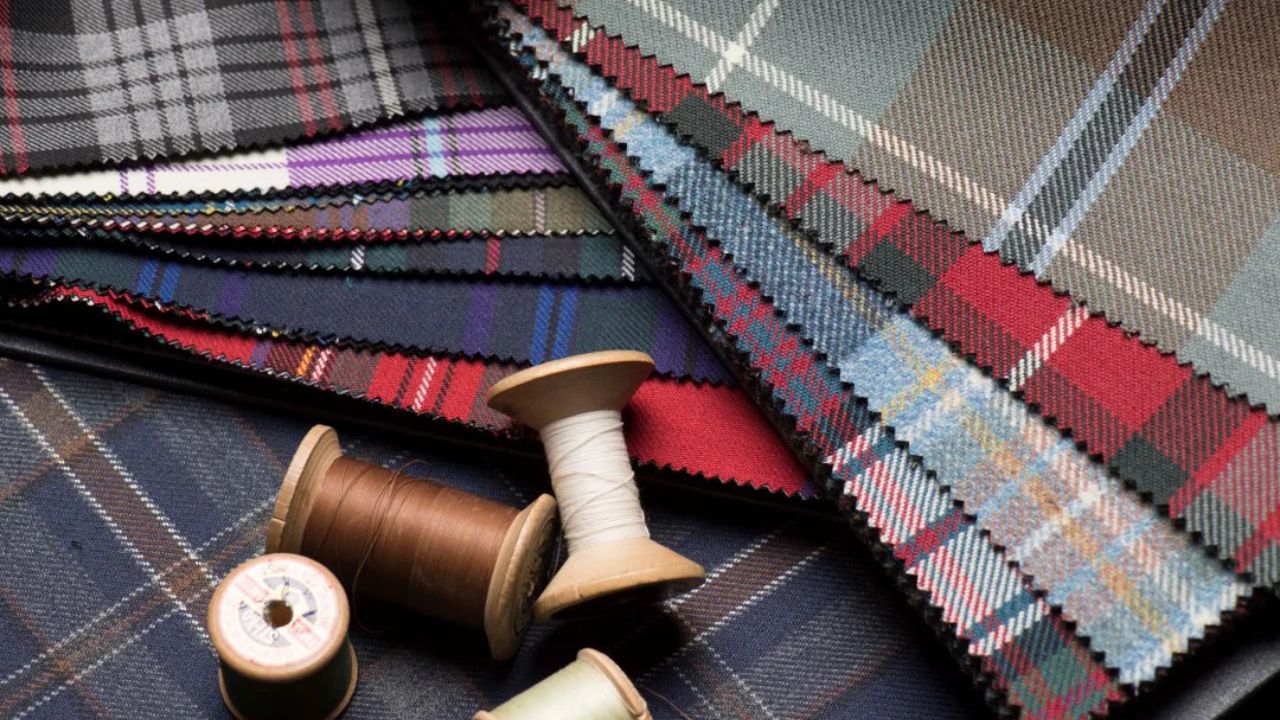
To appreciate these elements, it helps to understand how Highland dress evolved. If you enjoy the cultural layers behind traditional attire, you may also like our guides on tartan and how tartan prints developed over time in this article.
What Is a Sgian Dubh? A Quick Cultural Snapshot
The Sgian Dubh (“skee-an doo”) is a small, single-edged knife traditionally worn in the sock with Highland dress. It carries deep cultural meaning, much like the Scottish dirk, though it is smaller and more symbolic today.
Historically, it signalled trust and transparency during social gatherings. When you wore it visibly, you showed you carried no concealed weapons.
Hilt Adornments: Wood, Horn, Stag, and the Stories They Hold
1. Carved Wooden Hilts
Wooden hilts often feature Celtic knotwork or geometric Highland patterns. Each carving represents continuity and the interwoven cycle of life, motifs you can also see in Celtic stone carvings across Scotland.

2. Stag Antler Hilts
Nothing speaks more to Highland identity than stag antler. It echoes Scotland’s rugged landscapes and links the Sgian Dubh to traditional hunting culture. Antler hilts give the knife a natural, earthy look that many still prefer today.

3. Buffalo Horn and Resin Hilts
Modern makers often use buffalo horn or resin. These materials offer glossy finishes and allow for precise carving. Resin hilts sometimes mimic historic materials when conservation concerns make natural sources unsuitable.

Gemstone Toppers: Colour, Clan Identity, and Modern Style
The gemstone at the top of the hilt is often the most eye-catching feature. These “cabochons” once signalled clan colour or personal preference, but today they blend tradition with style.
Popular Gemstone Colours and Meanings
- Amber/Orange: Warmth and hospitality
- Green: Connection to the land
- Blue: Loyalty and honour
- Red: Courage and leadership
These colour associations echo the storytelling traditions explored in Why the Irish Are Natural Storytellers, as colour symbolism often shapes Celtic narratives.
Clan Symbols and Heraldic Plates
Many Sgian Dubhs feature a clan crest, badge, or heraldic plate. These adornments allow wearers to express loyalty to their kin group—much like choosing a specific tartan for a kilt, sash, or tartan shawl.
Clan badges usually include:
- mottos in Scots Gaelic,
- animals or mythic creatures,
- and crests linked to ancient chiefs.
If you’re curious about clan lineage, our article How Many Scottish Clans Are There? offers a thorough overview.

Metal Fittings: Silver, Pewter, and Brass
Metal fittings frame the beauty of the Sgian Dubh. Traditional makers use sterling silver, while modern versions often feature pewter or brass for accessible elegance.
Silver fittings frequently include Celtic spirals or triquetra knots, motifs linked to the same mythic traditions you’ll find in stories like the Celtic Sun God Lugh.

How Sgian Dubh Adornments Shape Scottish Identity Today
Wearing a Sgian Dubh is not about displaying a weapon. It’s about wearing history. Every material, whether wood, antler, gemstone, or silver—reminds us of Scotland’s layered past.
Many Scots pair their Sgian Dubh with modern kilts, Highland dress, or even casual tartan outfits. If you’re exploring kilt culture, see our guide on how to measure for a kilt or compare styles in Do Irish Wear Kilts?.
Final Thoughts: A Small Knife with a Large Story
The Sgian Dubh shows how a simple item can carry a nation’s identity. Its adornments reflect artistry, history, and the spirit of the Highlands. Whether you wear one for tradition, symbolism, or style, you participate in a lineage that stretches across generations.
For more Celtic traditions, explore our full blog archive.