
Scottish Piobaireachd: The Great Highland Music
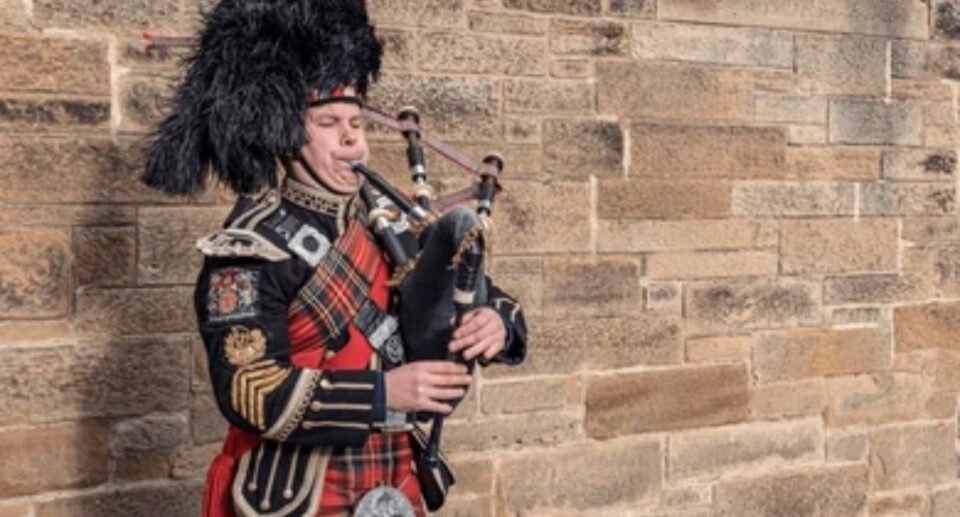
To understand the Highlands, one must listen carefully. Beneath the spectacle of parades and festivals lies a deeper current of sound: piobaireachd, or ceòl mòr, the “great music.” This is the classical tradition of the Great Highland bagpipe. It values structure, memory, and emotional gravity over speed or display.
Unlike lively ceilidh tunes, piobaireachd unfolds slowly. It rewards patience. It speaks in long phrases shaped by breath, landscape, and lineage.
What Is Piobaireachd?
Piobaireachd represents the art music of Highland piping. Each composition begins with the urlar, the ground melody. This theme establishes the emotional centre. The piper then develops it through a sequence of formal variations. Ornamentation grows more intricate. Rhythm tightens. Technical demands increase. Finally, the musician returns to the original ground. The journey resolves where it began.
This architecture resembles classical variation forms found across Europe. Yet its tonal language remains distinctly Gaelic. The drones sustain continuity. The melody moves with flexibility rather than strict tempo. The result feels almost vocal, echoing the cadence of Gaelic speech preserved in traditions such as the translations discussed in https://celtguide.com/scottish-gaelic-bible-translations/.
Origins in Clan Society
Piobaireachd developed between the sixteenth and eighteenth centuries in the Gaelic-speaking Highlands. Hereditary piping families, most famously the MacCrimmons of Skye, codified and transmitted the repertoire across generations.
The music served social purpose. Chiefs commissioned compositions to mark significant events. Some pieces honoured leaders. Others lamented their deaths. Still others summoned clans to gather. To understand this social fabric, readers may explore https://celtguide.com/how-many-scottish-clans/, which outlines the kinship structures that shaped Highland life.
In this context, piobaireachd functioned as both archive and ceremony. It preserved memory through melody.
Thematic Categories: Lament, Salute, Gathering
Most piobaireachd compositions fall into three principal categories:
Laments (Cumha) express grief and remembrance.
Salutes (Failte) honour chiefs or patrons.
Gatherings (Cruinneachadh) call clansmen together.
These themes reveal a culture deeply invested in loyalty and lineage. They resonate with other Celtic commemorative traditions, including those described in https://celtguide.com/heartbeat-of-farewell-irish-wake-traditions-through-a-celtic-lens/.
The emotional weight of a lament can feel overwhelming in performance. The sustained drone creates tension. The melody bends around absence and longing.
Musical Language and Discipline
Piobaireachd demands extraordinary technical control. Embellishments: doublings, throws, grips, and the formidable crunluath, require precision. Yet technical brilliance alone does not suffice. The piper must exercise restraint.
Tempo remains fluid. The performer shapes phrases organically. Silence carries meaning. Each pause prepares the listener for the next ascent.
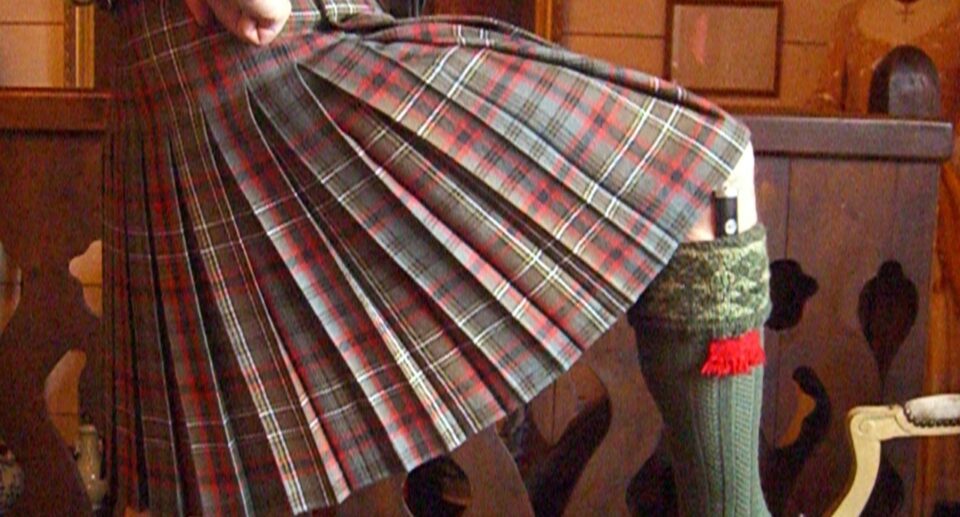
This disciplined craft mirrors other forms of Celtic artistry. Consider the symbolic precision found in https://celtguide.com/celtic-stone-carvings/ or the patterned structure of tartan explored in https://celtguide.com/what-is-tartan/. In each case, repetition does not imply monotony. It generates depth.
Landscape and Acoustic Space
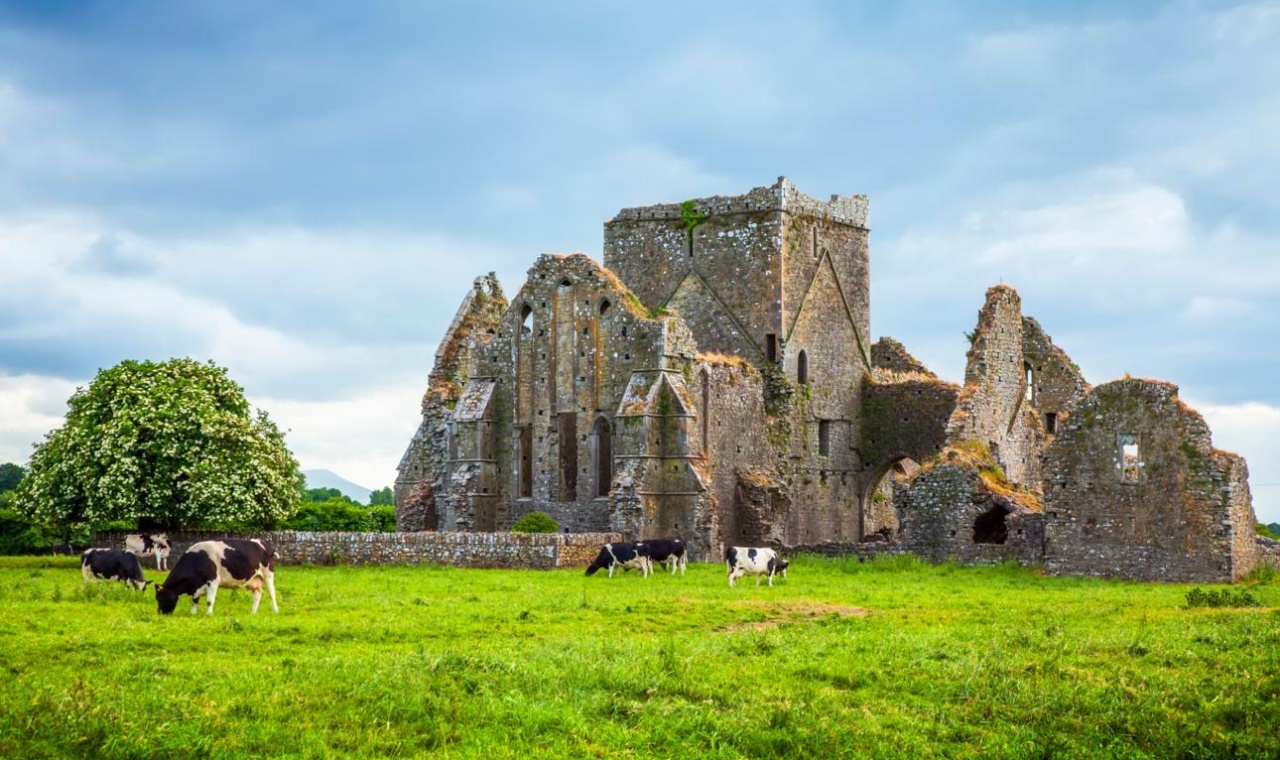
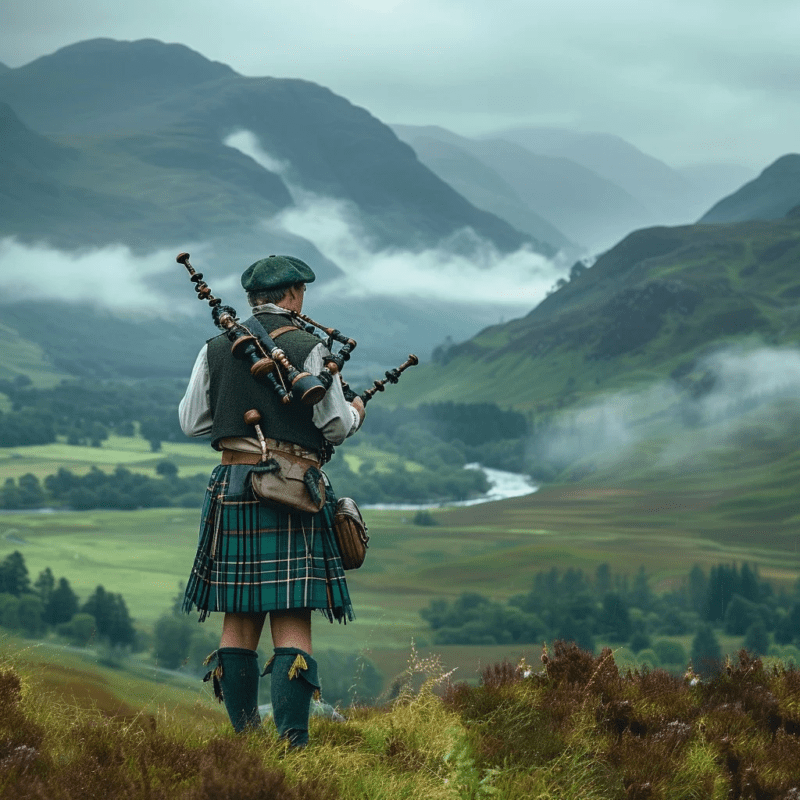
Highland geography shapes piobaireachd profoundly. Long melodic lines echo across glens and lochs. The music seems designed for open air.
Imagine its resonance across the terrain of https://celtguide.com/isle-of-mull/ or near the waters discussed in https://celtguide.com/is-loch-lomond-in-the-highlands/. The sustained drone complements vast horizons. The melody stretches like the land itself.
Such environments encourage contemplation. They amplify both sound and solitude.
Piobaireachd at the Highland Games
Today, piobaireachd competitions form a central pillar of major Highland gatherings. Judges assess interpretation, phrasing, and control. The atmosphere remains hushed and attentive.
For those planning to attend, see https://celtguide.com/events-to-watch-in-highland-games-2025/ for key events. Unlike the energetic ensemble music described in https://celtguide.com/ceili-bands/, piobaireachd performances centre on a single musician and a single extended composition.
This focus reinforces its classical status within Highland tradition.
Relationship to Other Celtic Instruments
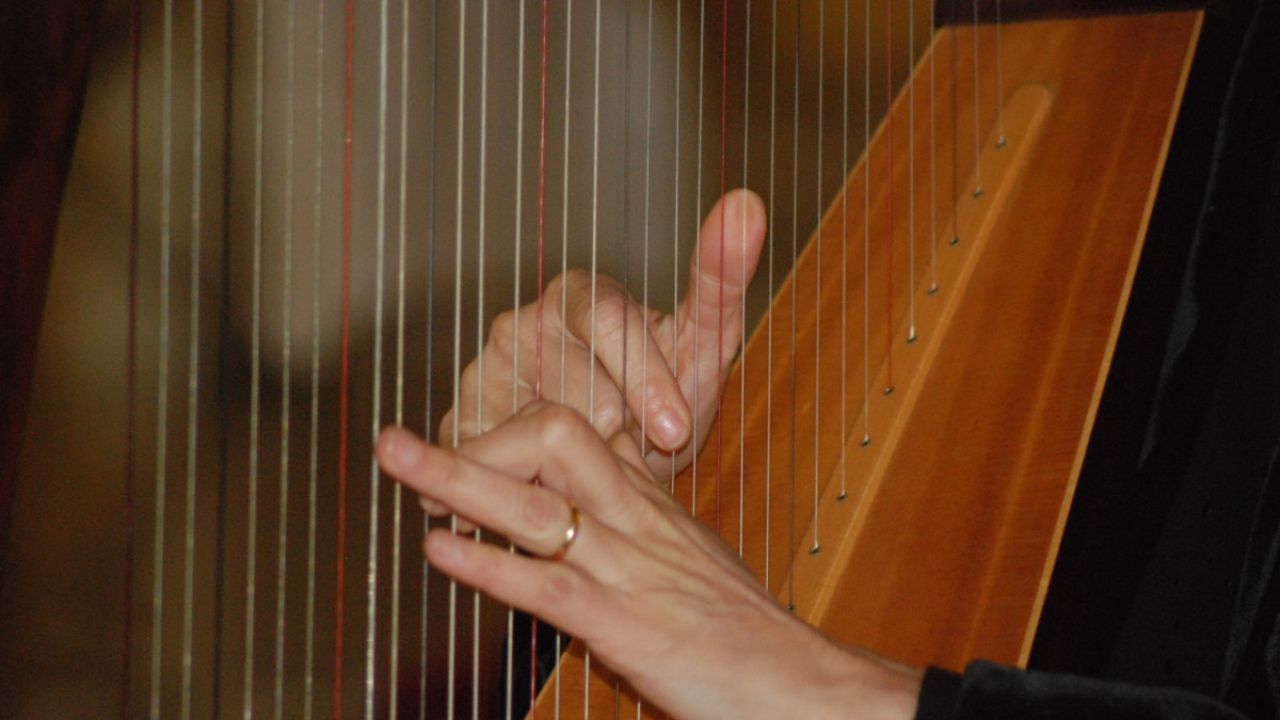
While piobaireachd belongs specifically to the Highland bagpipe, it shares cultural terrain with other instruments. The clarsach, explored in https://celtguide.com/what-is-a-clarsach-a-comprehensive-guide-to-the-celtic-harp/, embodies another strand of Gaelic art music. Both traditions prize nuance, phrasing, and memory.
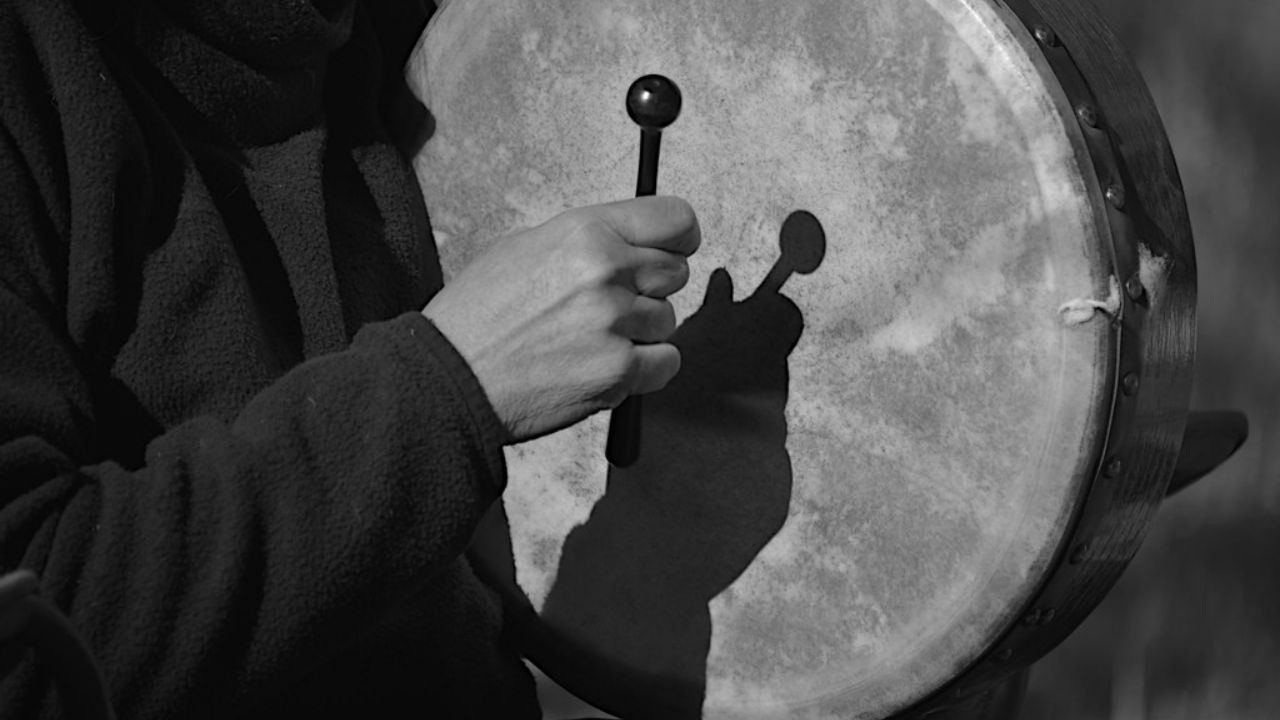
By contrast, rhythmic traditions such as those surrounding https://celtguide.com/the-bodhran-drum/ energise communal gatherings. Together, these forms illustrate the breadth of Celtic musical expression.
Why Piobaireachd Endures
Modern audiences often prefer brevity. Piobaireachd resists haste. It insists on duration and depth. That resistance grants it power.
The tradition survived political upheaval, cultural suppression, and social transformation. It continues to anchor Highland identity just as tartan and dress do—subjects discussed in https://celtguide.com/how-long-has-the-tartan-prints-been-around/ and related features within our https://celtguide.com/category/music-dance/ section.
When a piper begins the ground of a lament, centuries resonate within that first phrase. The music does not merely perform history. It carries it.
Conclusion: Listening to the Great Music
Scottish piobaireachd stands among Europe’s most distinctive classical traditions. It blends structure with emotion, discipline with memory. It rewards attentive ears.
If you wish to explore further dimensions of Highland culture, visit our main archive at https://celtguide.com/blog/. There you will find interconnected stories of music, landscape, language, and lineage.
The Great Music continues. One must simply pause long enough to hear it.