Scottish Highland Leather Shoes: Craft, Heritage & Style

Scottish Highland leather shoes carry stories of long walks through rugged glens, dances on rough stone floors, and centuries of Highland resilience. These shoes, especially the famous ghillie brogues, are more than part of Highland dress—they are a living symbol of craft, utility, and cultural pride.
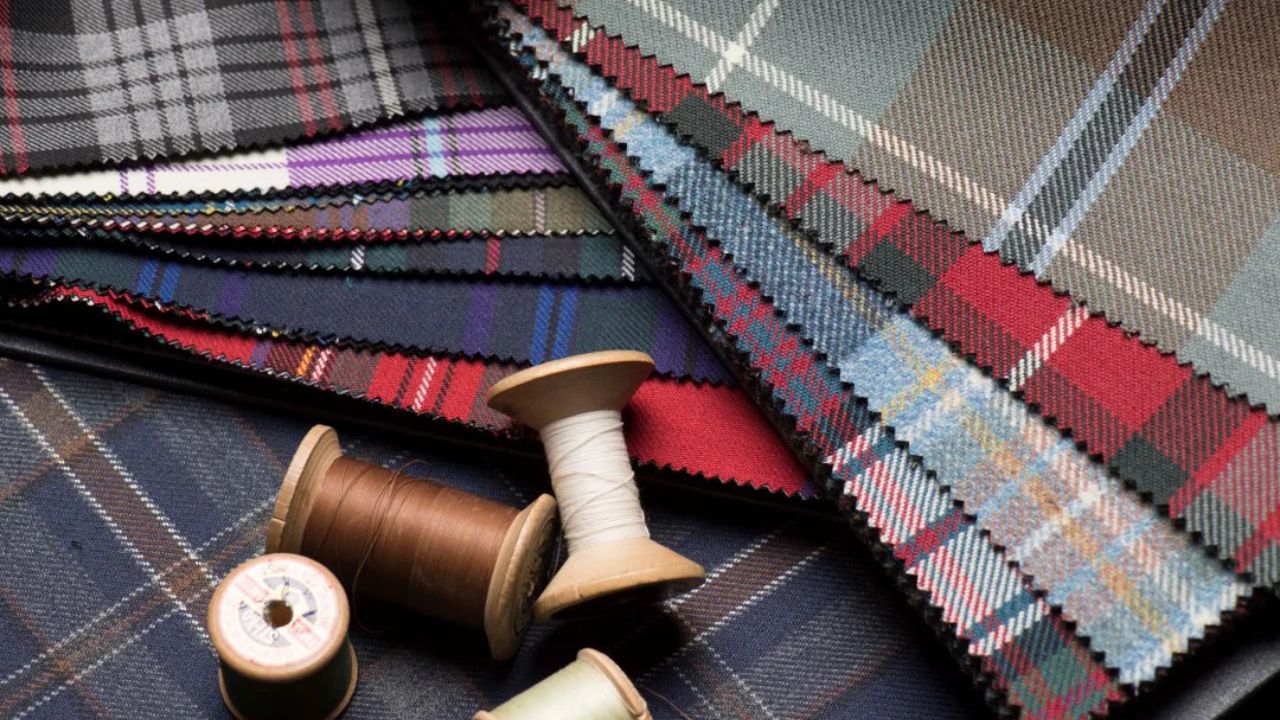
If you love exploring how fashion meets history, you might also enjoy reading about what tartan is and how it shaped Highland identity.
A Brief History of Highland Leather Shoes
Highlanders needed shoes that could survive wet moors, muddy paths, and long journeys across uneven landscapes. Early leather shoes were simple, hand-stitched, and made to withstand constant weather changes.
The famous open-laced style appeared because it allowed shoes to dry quickly after crossing bogs and streams, a daily reality for Highlanders.
These shoes evolved gradually, yet their purpose remained the same—strength, comfort, and mobility.
Ghillie Brogues: The Pride of Highland Dress
Today, “Scottish Highland leather shoes” usually refers to ghillie brogues. Their design stands out:
- They have no tongue.
- Long leather laces wrap around the ankle.
- Their punched decorative patterns allow ventilation.
- The open structure reduces water absorption.
This design began as a practical feature but eventually became an iconic part of Highland dress.
You often see ghillie brogues at Highland Games, in weddings, and even in cinematic depictions of Scottish culture, much like those explored in Kilts in Movies and Shows.

How Highland Leather Shoes Are Crafted
A well-made pair of Highland shoes still follows traditional craftsmanship. Artisans choose thick, high-quality leather and shape it using time-tested techniques. Each pair goes through several steps:
- Selecting durable leather
- Cutting and shaping the upper
- Punching decorative patterns
- Adding the sturdy sole
- Polishing and final finishing
Modern shoemakers respect old methods while using stronger, more comfortable materials. This blend of heritage and innovation keeps these shoes relevant today.
Where Highland Leather Shoes Fit into Scottish Dress
Ghillie brogues typically pair with:
- Kilts
- Kilt hose (socks)
- Highland flashes (the decorative bands over kilt socks)
- Sporrans
- Tartan jackets or waistcoats
Their sleek design balances elegance and tradition. If you’re exploring Scottish fashion in depth, our guide on How to Measure for a Kilt is a natural next read.
Why These Shoes Still Matter Today
People love Highland leather shoes because they feel authentic. They connect wearers to centuries of Scottish heritage while fitting modern events, from formal ceremonies to ceilidh dances. Their laces wrap not just around the ankle, but around history itself.
And for many, wearing ghillie brogues on Scotland’s landscapes, from Loch Lomond to the Isle of Mull, adds a deeper meaning to the journey. You can explore such landscapes through our travel guides, including Is Loch Lomond in the Highlands?.
Practical Tips for Choosing Highland Leather Shoes
Here’s what to look for when buying a pair:
- Quality leather: It should feel firm yet flexible.
- Strong stitching: Good brogues last years.
- Comfortable sole: Especially if you’ll wear them to events or dances.
- Authentic design: Traditional lacing and brogue patterns matter.

A reliable pair can elevate your Highland outfit and give you something that feels connected to Scottish roots.
Final Thoughts: More Than Just Footwear
Scottish Highland leather shoes are a testament to Scottish durability and cultural pride. They walk the line between tradition and style, offering both practicality and elegance. Whether you wear them for a Scottish wedding, a Highland Games event, or simply to honour your heritage, they stand as a quiet but powerful tribute to the Highlands.
If you enjoy exploring the roots of Celtic culture, you might also like discovering how Celtic Stone Carvings preserve stories across centuries or how Irish storytelling traditions shaped Celtic identity.