Scottish Gaelic Christmas Carols: Songs of Faith, Language, and Winter Light

Scottish Gaelic Christmas carols sit at the crossroads of faith, language, and community memory. These songs do more than mark a religious festival. They carry the rhythm of Highland life through centuries of hardship, migration, and devotion. When sung in churches, homes, or winter gatherings, they connect speakers and listeners to an older Gaelic worldview shaped by scripture, oral storytelling, and music. Much like the traditions explored across the wider Celtic world on the CeltGuide blog, Gaelic carols reveal how sound preserves culture.
Origins of Scottish Gaelic Christmas Carols
Most Scottish Gaelic Christmas carols emerged from translated hymnody rather than medieval carol traditions. Ministers and scholars worked carefully to render biblical texts into Gaelic, ensuring theological accuracy and poetic flow. The rise of Gaelic Bible translations played a central role in shaping these songs, as congregations required accessible sacred music in their own language. You can explore this linguistic foundation further in Scottish Gaelic Bible Translations.
Unlike English carols built for harmony, Gaelic hymns often follow a strong melodic line. This structure reflects older oral traditions, where clarity of words mattered more than ornamentation.
Language, Poetry, and Meaning
Gaelic carols rely on compact imagery and emotional directness. Words describing light, shelter, and divine protection recur throughout these hymns. Winter landscapes, so familiar to Highland communities, appear as metaphors for spiritual endurance.
This poetic instinct links closely to the wider Celtic storytelling tradition, similar to themes discussed in Why Are Irish People Natural Storytellers?. In both cultures, song and story work together to preserve memory and belief.
Music and Traditional Instruments
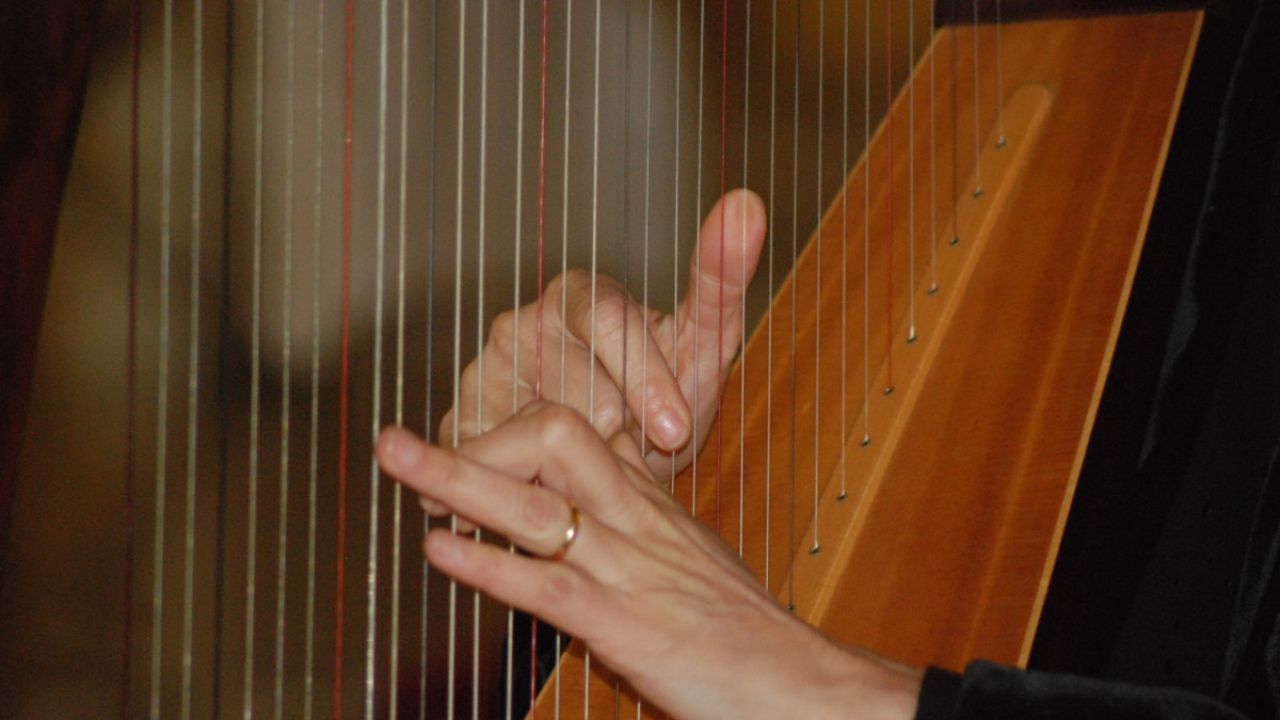
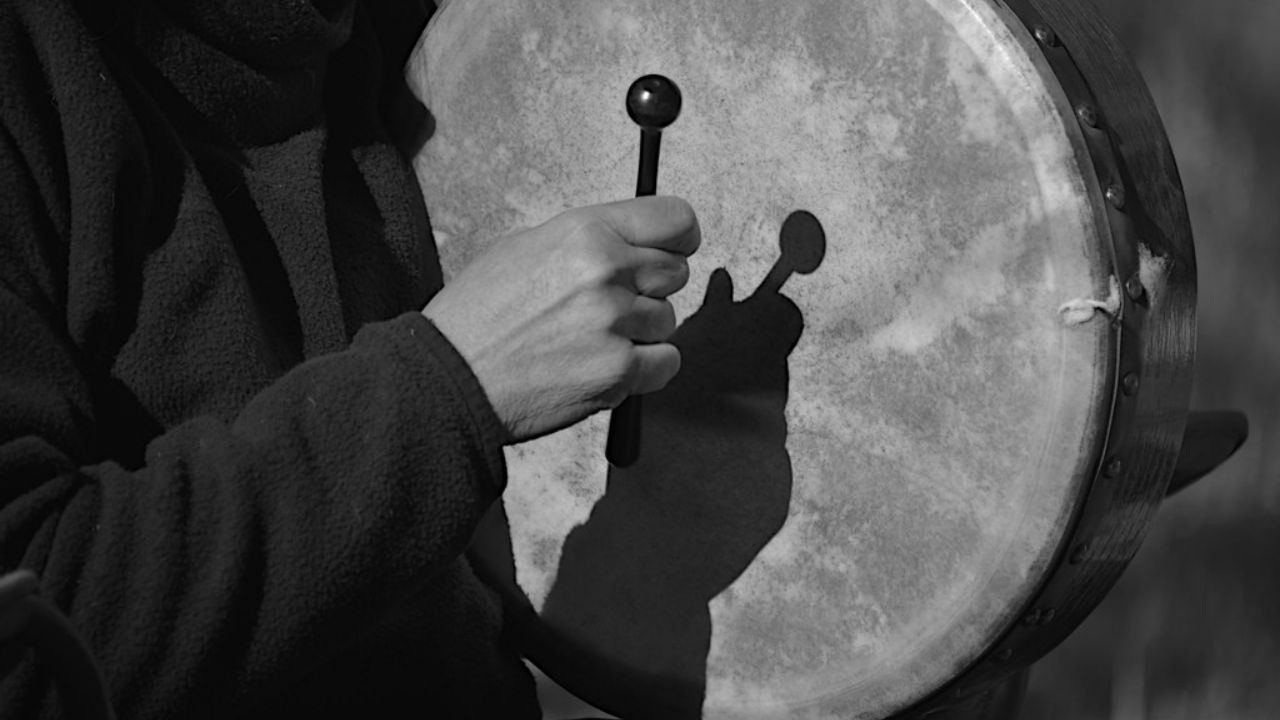
Historically, Gaelic Christmas carols were sung unaccompanied, especially in Presbyterian settings. Over time, instruments entered the tradition. The clàrsach, or Celtic harp, added gentle resonance to winter hymns, while frame drums such as the bodhrán later appeared in community gatherings rather than formal worship.
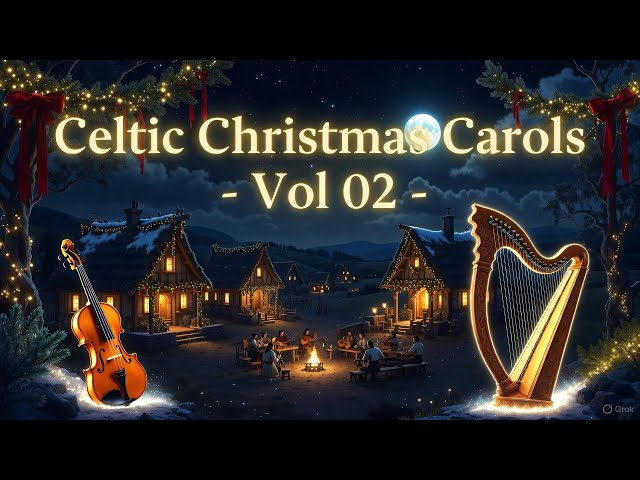
For readers interested in the musical tools behind these sounds, What Is a Clàrsach? and The Bodhrán Drum provide deeper insight into Celtic instrumentation.
Carols and Community Life
In many Highland areas, Christmas remained a quiet affair well into the nineteenth century. Gaelic carols flourished most strongly in church services, particularly during Christmas Eve and New Year gatherings. Singing reinforced communal bonds and offered spiritual comfort during long, dark winters.
These moments parallel other seasonal traditions found in crofting communities, explored in A Crofter’s Journey Through Time. Music, like shared labour, strengthened resilience.
Living Traditions Today
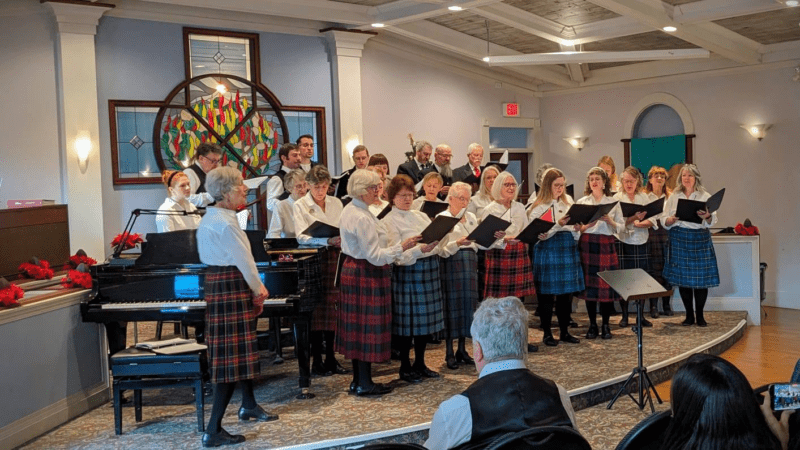
Scottish Gaelic Christmas carols continue to thrive through choirs, language schools, and cultural festivals. Modern recordings often blend traditional melodies with subtle harmony, making them accessible to new audiences while respecting linguistic integrity.
On islands such as Mull and in Highland towns near Loch Lomond, Gaelic carol services attract both fluent speakers and learners. This revival mirrors broader efforts to sustain Gaelic language and heritage across Scotland.
Conclusion: A Quiet but Enduring Legacy
Scottish Gaelic Christmas carols offer more than seasonal music. They preserve language, belief, and communal identity through song. Each verse carries echoes of scripture, landscape, and ancestral voices. In listening to them, we hear how Gaelic culture continues to speak, softly but with remarkable strength, through winter and time.