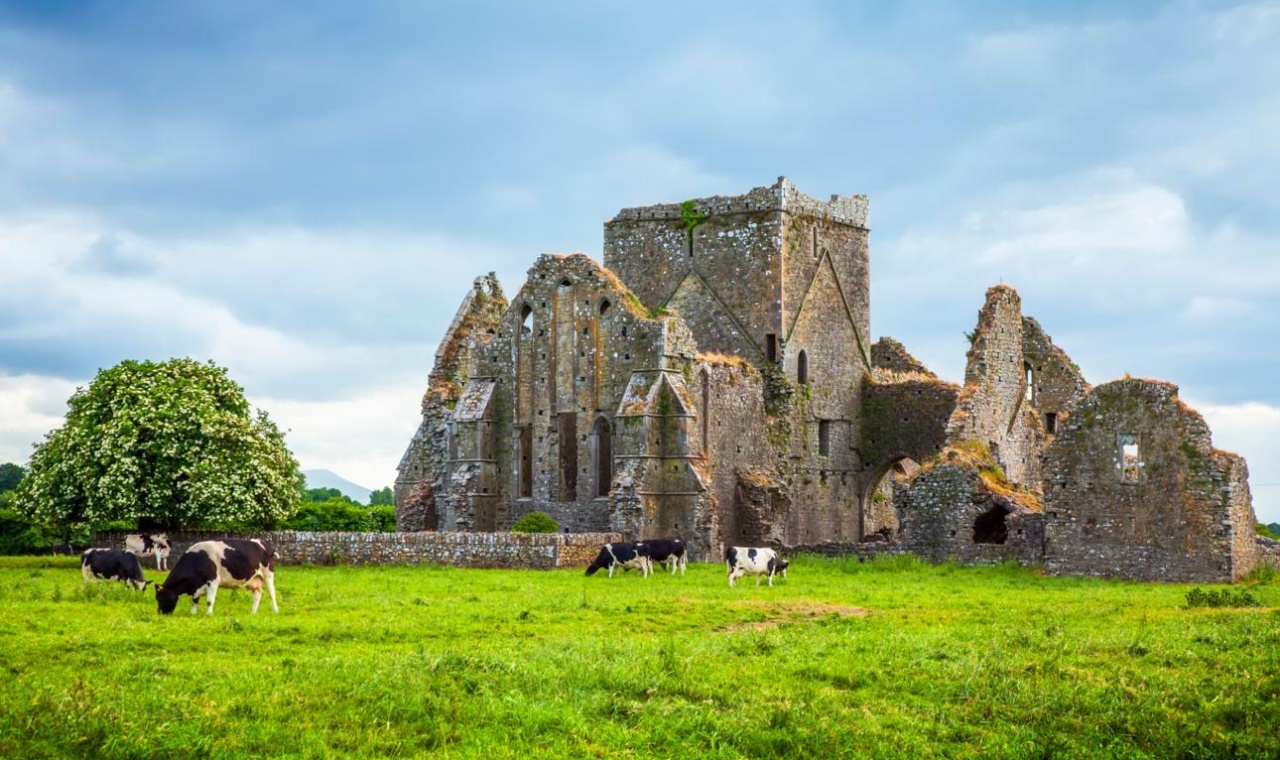
Scottish Gaelic Cattle Calling Songs: Voices Shaped by Land and Livestock

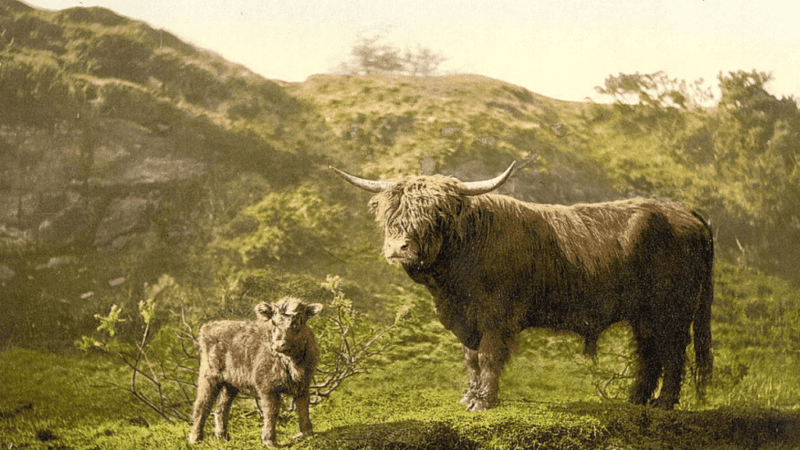
Before fences, engines, and modern farming tools, Highland life relied on voice. Scottish Gaelic cattle calling songs grew from this reality. These short, melodic calls guided cattle, calmed animals, and connected people to the land they worked every day.
They were not performances. They were necessities. Yet, within their simplicity, they carried rhythm, emotion, and deep cultural memory.
What Are Scottish Gaelic Cattle Calling Songs?
Scottish Gaelic cattle calling songs are functional vocal calls used by crofters to communicate with livestock. In Gaelic, people often refer to them as gairmean crodh. Each family developed its own version, shaped by voice, temperament, and terrain.
Cattle responded to familiarity. They recognized specific tones rather than words. Long vowels, gentle repetition, and flowing pitch made these calls effective across open fields and hillsides.
This practice fits naturally into the wider Gaelic oral tradition, where memory lived in sound. The same principle appears in Celtic storytelling, explored in Why Are Irish People Natural Storytellers?.
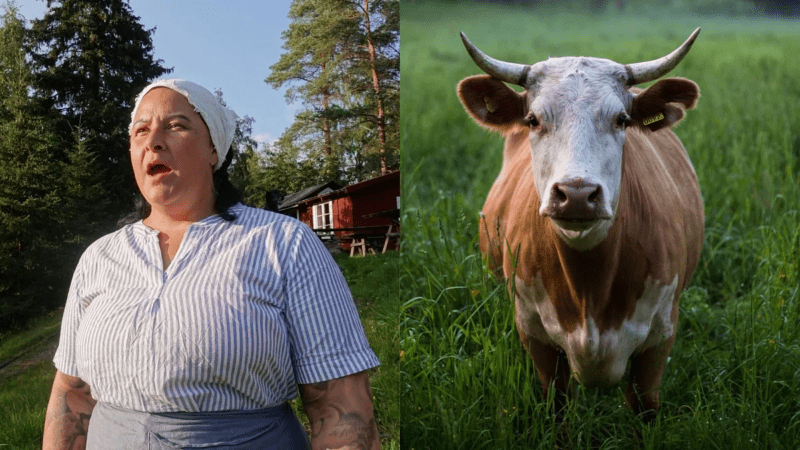
Why the Gaelic Language Matters Here
Gaelic suits cattle calling remarkably well. Its open vowel sounds travel far without harshness. Stress patterns remain musical even in everyday speech. These qualities allow a calm, steady voice to carry across wind and uneven ground.
Meaning often mattered less than feeling. A crofter’s voice signaled safety and routine. Animals responded with trust rather than fear.
You can hear the same emotional logic in Gaelic children’s lullabies, where sound reassures before words explain.
Cattle Calls in Daily Crofting Life
Cattle calling songs shaped the rhythm of crofting life. Morning milking, evening gathering, and seasonal movement all depended on them. In isolated Highland communities, the human voice served as the most reliable tool available.
These calls also reinforced identity. Just as tartan patterns distinguished clans, explained in What Is Tartan?, distinct cattle calls marked families and places.
For a deeper understanding of this lifestyle, A Crofter’s Journey Through Time places these traditions within their historical setting.
Music Without a Stage
Although practical, cattle calling songs belong firmly within Scottish folk music. They share melodic traits with waulking songs, slow airs, and laments. Many later folk melodies echo the phrasing first shaped in fields rather than halls.
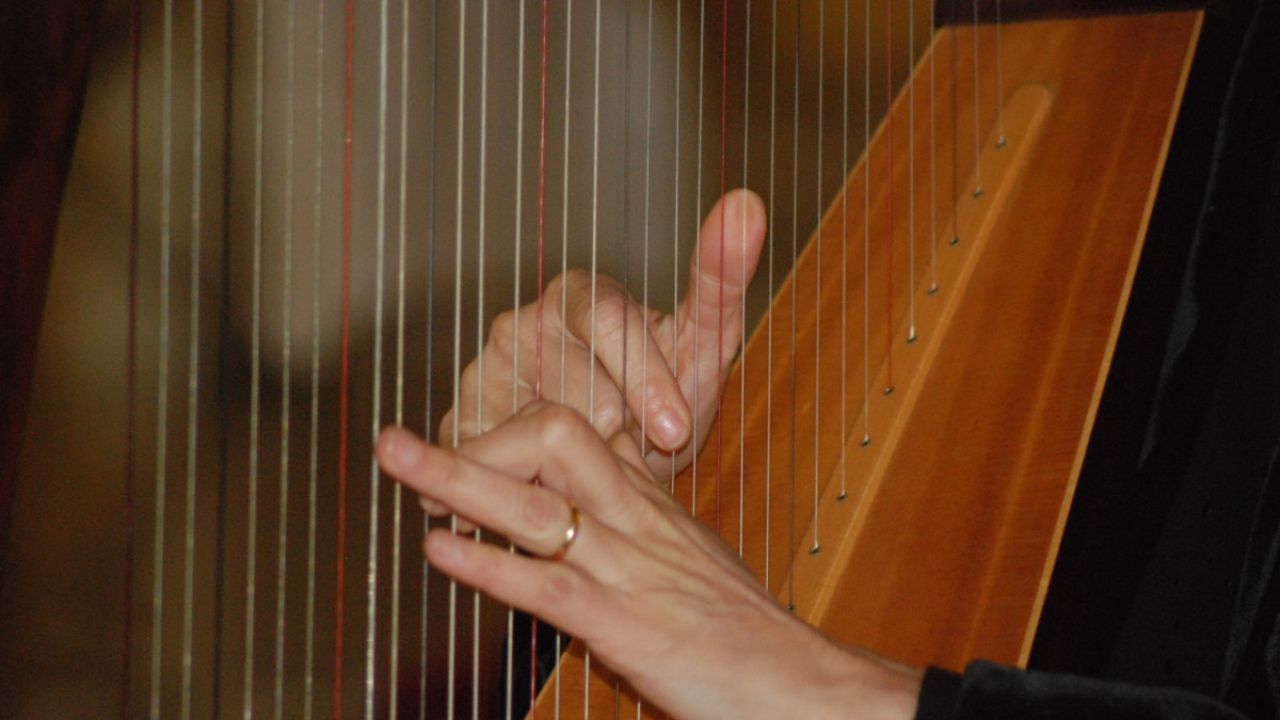
Instruments such as the clàrsach followed similar melodic instincts. You can see this connection clearly in What Is a Clarsach?, where voice and instrument mirror each other.
Highland music did not begin as entertainment. It began as work.
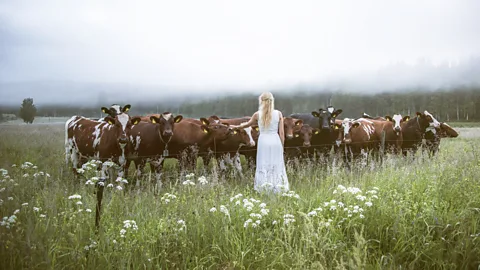
Preservation and Cultural Memory Today
Modern farming reduced the need for cattle calling songs, but the tradition survived. Folklorists recorded many examples in the twentieth century. Language revival efforts now treat these calls as cultural artifacts rather than curiosities.
At cultural events and gatherings such as those highlighted in Events to Watch in Highland Games 2025, performers sometimes demonstrate these calls as living history.
They remind audiences that Gaelic culture thrived in ordinary moments.
Why These Songs Still Matter
Scottish Gaelic cattle calling songs reveal how culture adapts to need. They show music serving survival, not applause. Most importantly, they preserve the human voice as a bridge between people, animals, and land.
In a world filled with artificial sound, these simple calls still speak with rare honesty.