
Scottish Dress Kilts: Heritage Woven in Style

Few garments in the world carry as much history, symbolism, and character as the Scottish kilt. Beyond its distinctive pleats and tartan patterns, the kilt represents centuries of Highland tradition and craftsmanship. It’s not merely clothing, it’s identity woven into fabric, proudly worn at weddings, Highland Games, and formal gatherings across the globe.
A Tapestry of History
The story of the Scottish dress kilt begins in the 16th century with the feileadh mòr, or great kilt—a full-length garment made of wool tartan, draped over the shoulder and belted at the waist. Over time, practicality refined the garment into the modern tailored kilt.
This evolution mirrored Scotland’s own cultural journey. From clan wars to royal courts, kilts adapted yet never lost their symbolic essence. Their tartans, distinctive woven patterns carried clan colors and heraldic pride, linking each wearer to lineage and land. Learn more about the origins of tartan in our guide on What Is Tartan?.
Craftsmanship and Fabric: The Art of Making a Kilt
A true Scottish dress kilt isn’t mass-produced, it’s crafted. Weavers in regions like the Highlands and Borders still spin wool on traditional looms, creating fabric known for durability and elegance. Each pleat is hand-stitched with precision, and the tartan chosen is deeply personal.
The process mirrors the artistry found in Scottish tartan shawls and Tam o’ Shanter hats, where design meets devotion. A kilt’s weight, often around eight yards of cloth, symbolizes endurance and craftsmanship—qualities that define Scottish culture itself.

Clan Pride and Tartan Symbolism
Each kilt tells a story through its tartan. These patterns are more than decorative—they serve as living emblems of Scottish identity. Clans once used tartans to distinguish allies from rivals. Today, they connect people to ancestry, uniting generations through color and thread.
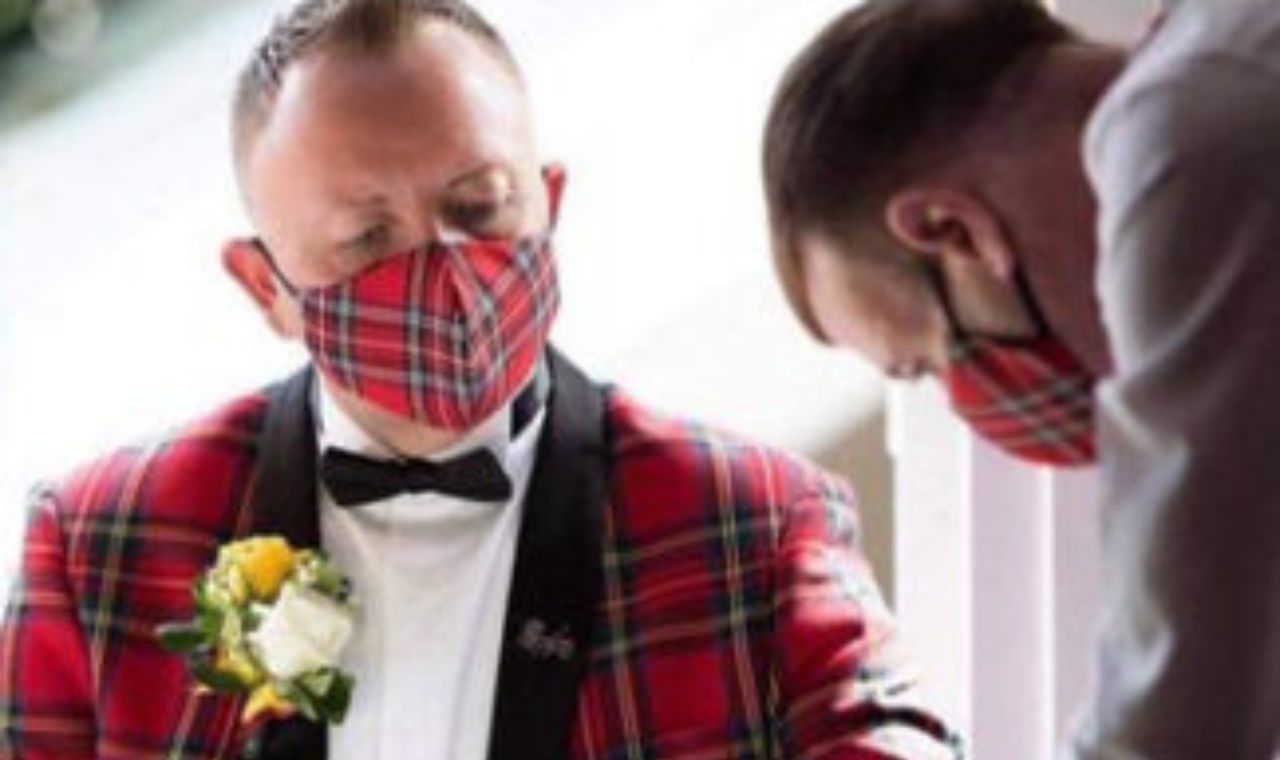
Wearing a kilt is both personal and communal, a nod to family heritage and national pride. Many still consult their clan histories when choosing patterns, much like those who explore the roots of Scottish clans to find their ancestral ties.

How to Wear a Dress Kilt
A complete Highland dress outfit balances tradition and grace. For formal events, a kilt is paired with:
- A Prince Charlie jacket and waistcoat
- A lace jabot or wing-collar shirt
- A sporran (pouch) at the front
- Kilt hose and flashes
- Ghillie brogues (traditional shoes)
Those unsure of measurements can consult our guide on How to Measure for a Kilt. The fit should allow freedom of movement, essential for both dancing at ceilidhs and standing tall during ceremonies.

The Kilt Today: From Heritage to Global Fashion
Though rooted in history, kilts thrive in modern life. Scots wear them at weddings, parades, and cultural festivals, while designers reimagine them for contemporary style. They’ve even appeared on runways, in films and shows featuring kilts, and in global fashion movements celebrating heritage wear.
Modern kilts now blend traditional wool with lighter fabrics for comfort, yet the symbolism remains untouched, a bridge between old-world craftsmanship and new-age expression.

The Enduring Spirit of the Kilt
The Scottish dress kilt is far more than attire, it’s a declaration of belonging. Each pleat and tartan thread whispers of resilience, artistry, and the eternal pride of Scotland. Whether worn in Edinburgh, Inverness, or abroad, the kilt continues to embody the Highlander’s heart: strong, graceful, and timeless.