
Scottish Clan Pins: Symbols of Heritage and Identity

Introduction: More Than Just a Pin
At first glance, a Scottish clan pin might look like a small accessory used to hold fabric together. But in reality, it is much more than that—it’s a wearable symbol of lineage, loyalty, and identity. Much like the stories told by Irish storytellers, clan pins carry history that stretches across centuries, making them both decorative and deeply meaningful.
What Exactly Is a Scottish Clan Pin?
A clan pin (sometimes called a brooch or badge) is traditionally worn to fasten a tartan sash, shawl, or kilt accessory. Unlike simple fasteners, these pins often bear a clan crest, motto, or symbolic design linked to the family it represents. They act as a visual signature of clan pride, much like tartan patterns explored in what is tartan.

Historical Roots of Clan Pins
Clan pins have their origins in the medieval Highlands, where families distinguished themselves through dress, emblems, and insignia. In times of both war and peace, wearing a clan badge or pin made it clear which household you belonged to.
These symbols complemented other traditions of identity, much like the stone carvings described in Celtic stone carvings, where artistry preserved ancestral memory.
Clan Pins in Highland Dress
Today, you’ll often see clan pins as part of formal Highland attire—worn at weddings, ceilidhs, and cultural gatherings. They are most commonly pinned to:
- Tartan sashes – often fastened with ornate pins (see how to wear a tartan sash).
- Kilts and plaids – sometimes secured with large decorative pins.
- Shawls or scarves – a stylish yet traditional nod to clan identity.

Symbolism Behind the Design
Each pin is more than decoration—it communicates a story:
- Clan crests & mottos – representing loyalty and honor.
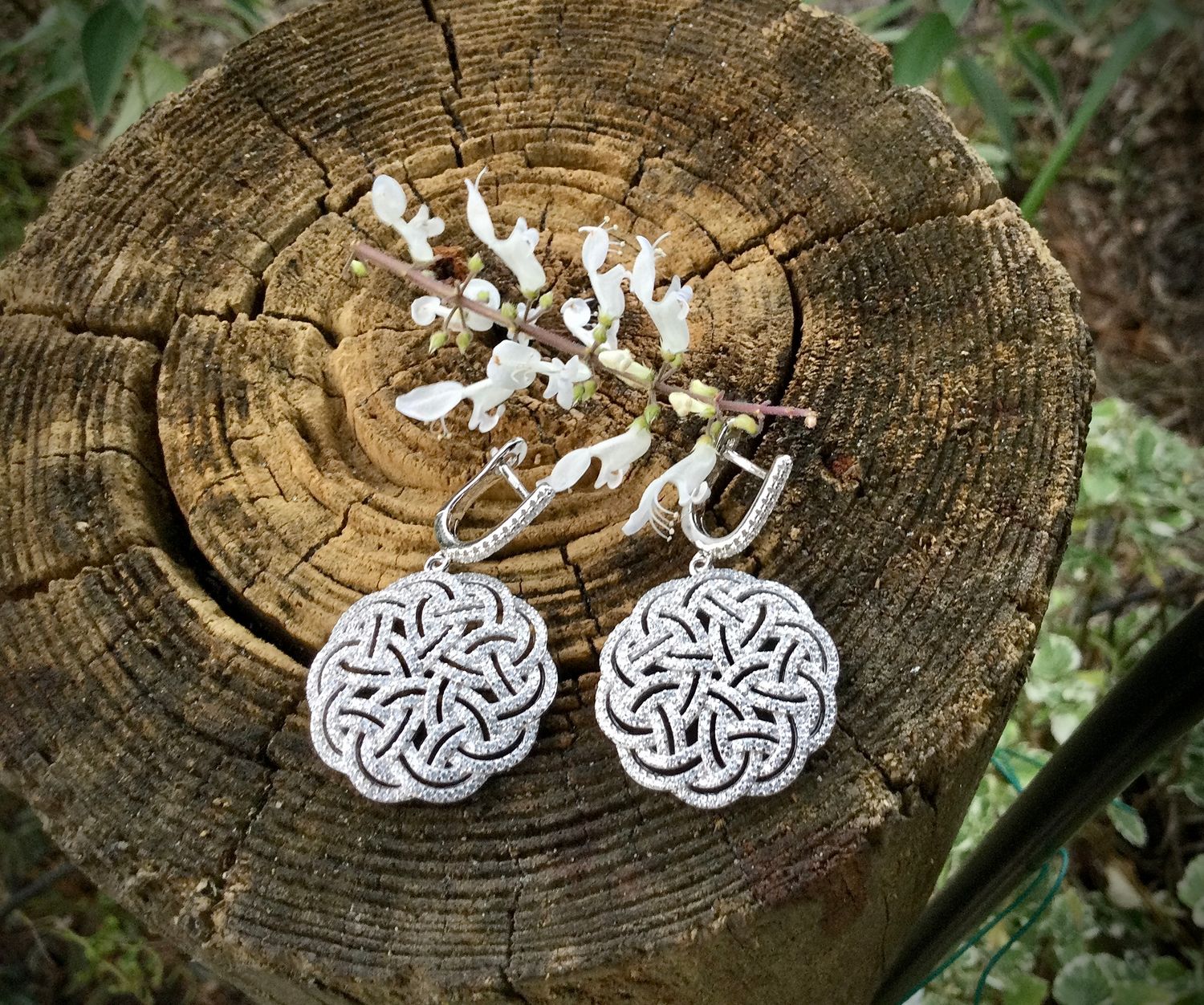
- Celtic knotwork – a symbol of eternity and interconnectedness.
- Animals & plants – often tied to Highland landscapes and mythology, echoing themes like the Celtic oak tree.
In this sense, wearing a pin is like wearing your family’s history in miniature form.
Collecting and Wearing Clan Pins Today
For many, clan pins are heirlooms, passed down across generations. But they’re also sought-after collectibles for those with an interest in Scottish clans (see how many Scottish clans) or simply a love for Celtic fashion.
Modern jewelers craft both traditional replicas and contemporary interpretations, making them accessible to Scots abroad and enthusiasts of Highland culture alike.

Why Clan Pins Still Matter
In an age where family names and stories risk fading into the background, clan pins remain a small but powerful reminder of where one comes from. They connect wearers to Scotland’s cultural fabric—just as the Highland Games (see events to watch in Highland Games 2025) keep traditions alive through sport and celebration.
Conclusion: A Pin with a Story
A Scottish clan pin is not just jewelry—it’s heritage you can wear. Whether fastened on tartan at a wedding or displayed in a collector’s case, it speaks of lineage, loyalty, and belonging.
So the next time you see one, remember—it’s not merely holding fabric together. It’s holding centuries of Scottish identity in place.