Scottish Capes and Mantles: Heritage, Fashion, and Tradition
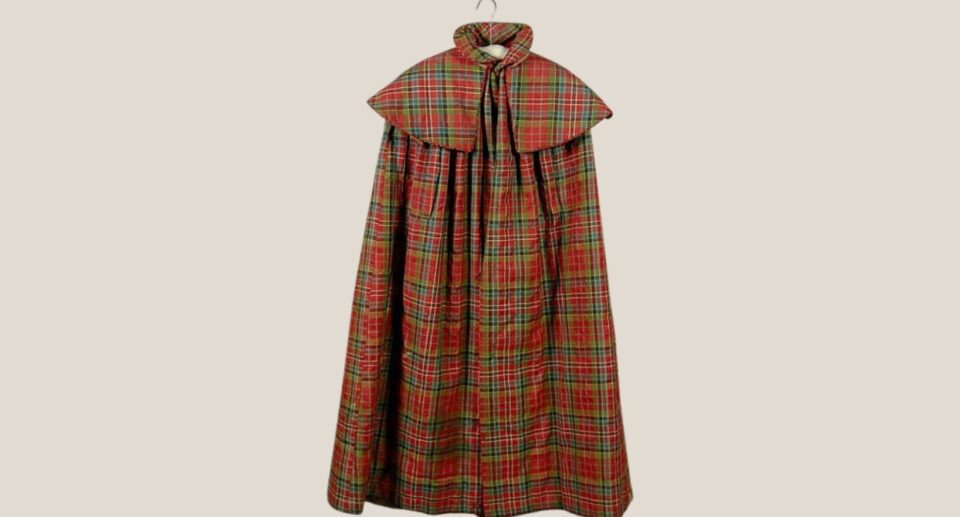
Scottish capes and mantles have long been symbols of heritage, status, and artistry. These garments, woven from wool or richly patterned tartan, combine practical warmth with cultural identity. For centuries, they adorned Scots during festivals, everyday life, and Highland gatherings, reflecting both clan identity and regional style.
Much like the way storytelling preserves Irish culture (Why Are Irish People Natural Storytellers), Scottish mantles tell stories of lineage, craftsmanship, and community belonging. Wearing a cape or mantle signified more than fashion—it signaled a connection to history, landscape, and clan pride.
Origins of Scottish Capes and Mantles
Capes and mantles emerged as practical garments in Scotland’s rugged climate. Early versions provided warmth against cold, wind, and rain, while allowing mobility for travel or work. By the 17th and 18th centuries, these garments evolved to incorporate tartan patterns, signifying family or clan affiliation.
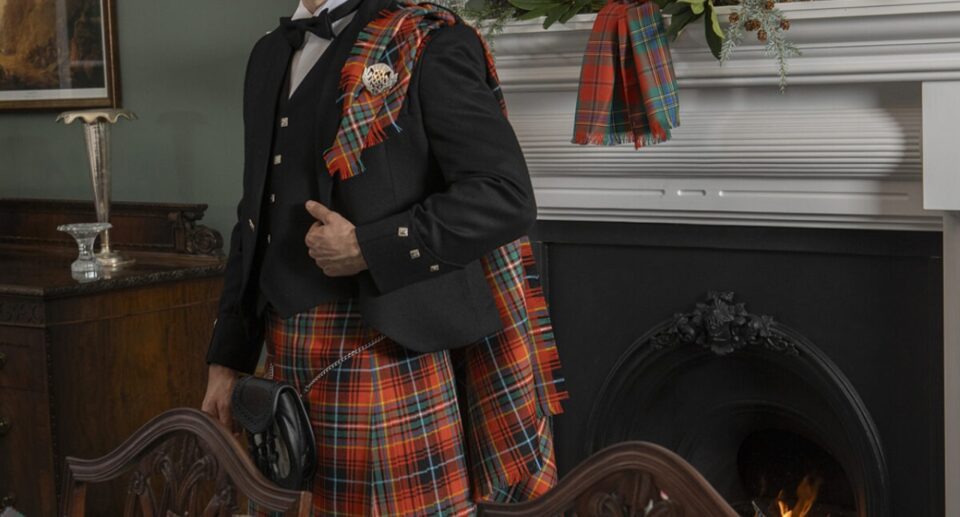
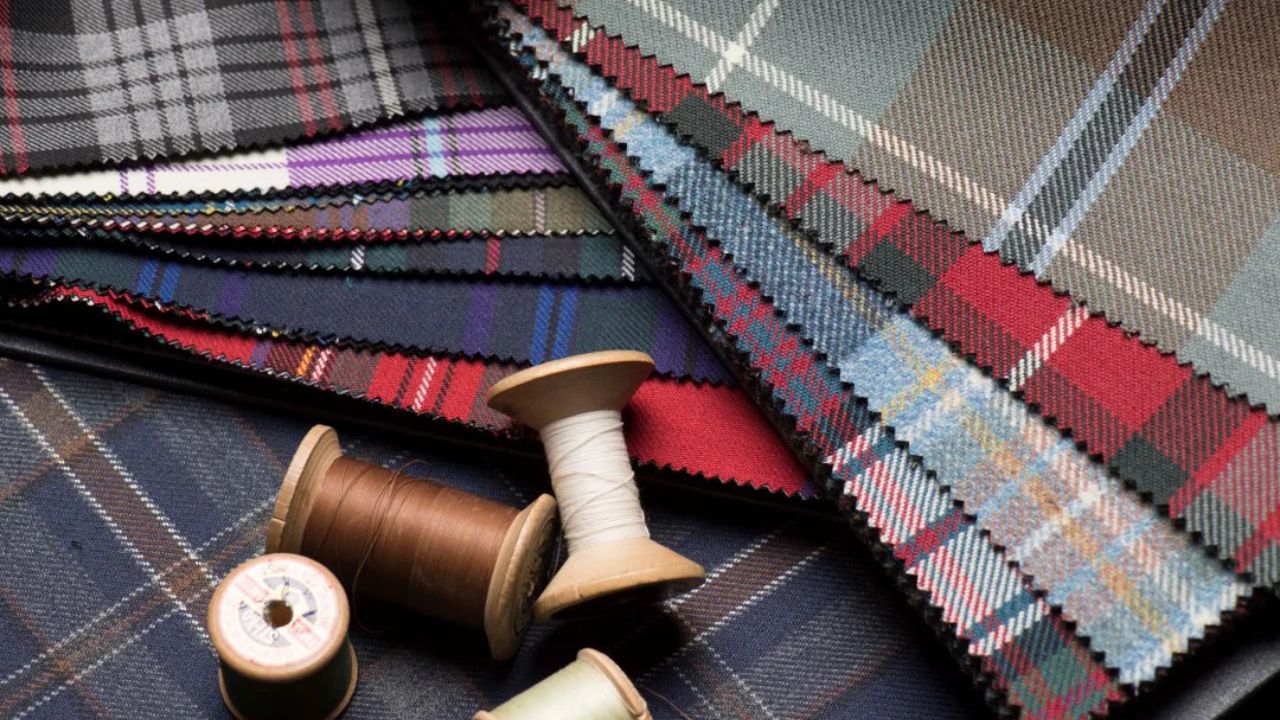
Clans like the MacDonalds or Campbells developed distinctive tartans, which were incorporated into mantles. These garments were more than clothing, they were identifiers in both social and martial contexts. Mantles could communicate status, allegiance, and even personal wealth, connecting wearers to a broader social and cultural framework (How Long Has the Tartan Prints Been Around?).
Materials and Craftsmanship
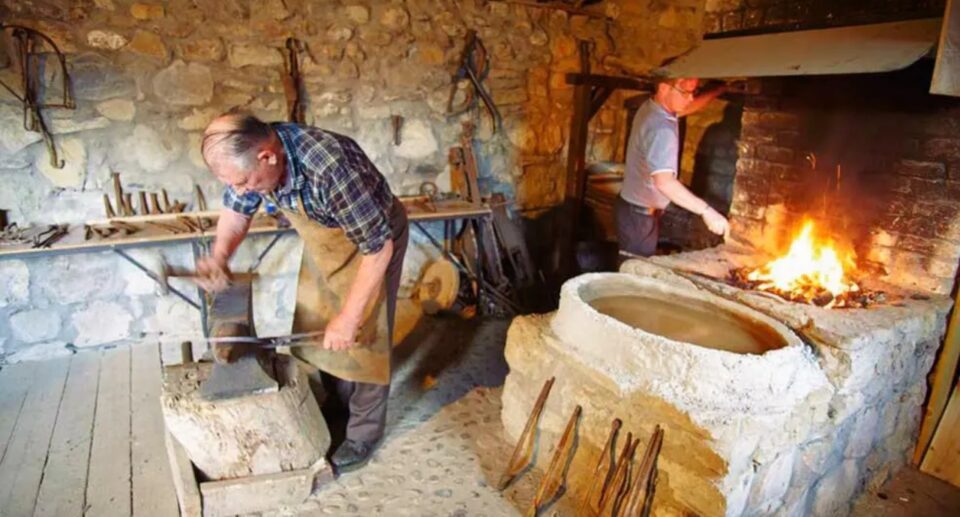
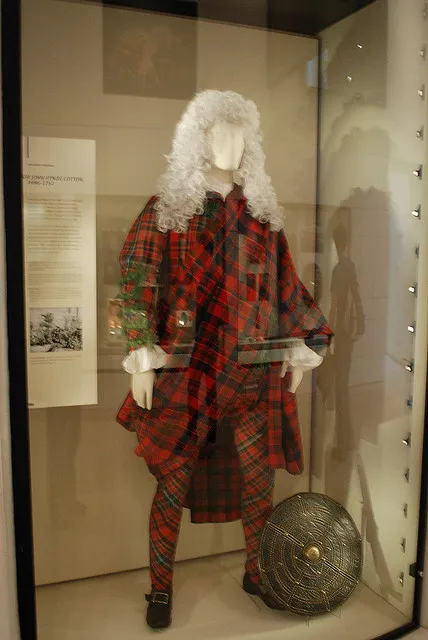
Traditional Scottish capes and mantles were crafted from wool, tweed, and sometimes linen, often dyed using natural pigments. Weaving techniques were meticulous, requiring skilled hands to produce durable fabrics capable of withstanding harsh Highland weather.
The choice of pattern and color held significant meaning. Tartans reflected clan lineage, and intricate weaving highlighted the artistry of local craftspeople. Today, Scottish textiles remain a testament to centuries of cultural preservation and aesthetic sophistication (Scottish Tartan Shawls).
Capes and Mantles in Cultural Life
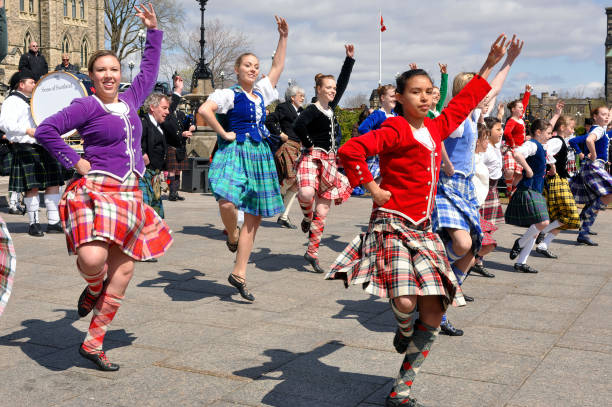
Mantles were central to Scottish ceremonies and Highland games, combining function with flair. They were worn during festivals, dances, and even religious events, emphasizing both heritage and personal style. The garments also served practical purposes, providing warmth while allowing freedom of movement during work or travel in the Highlands (Events to Watch in Highland Games 2025).
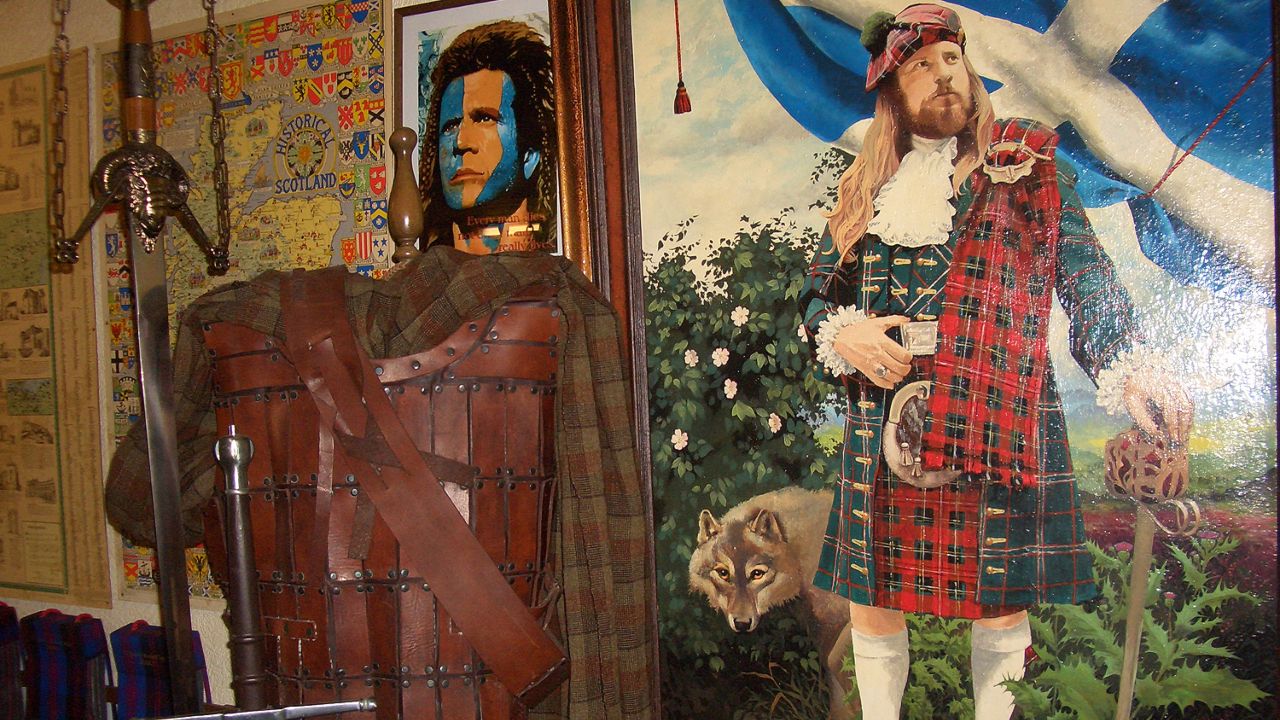
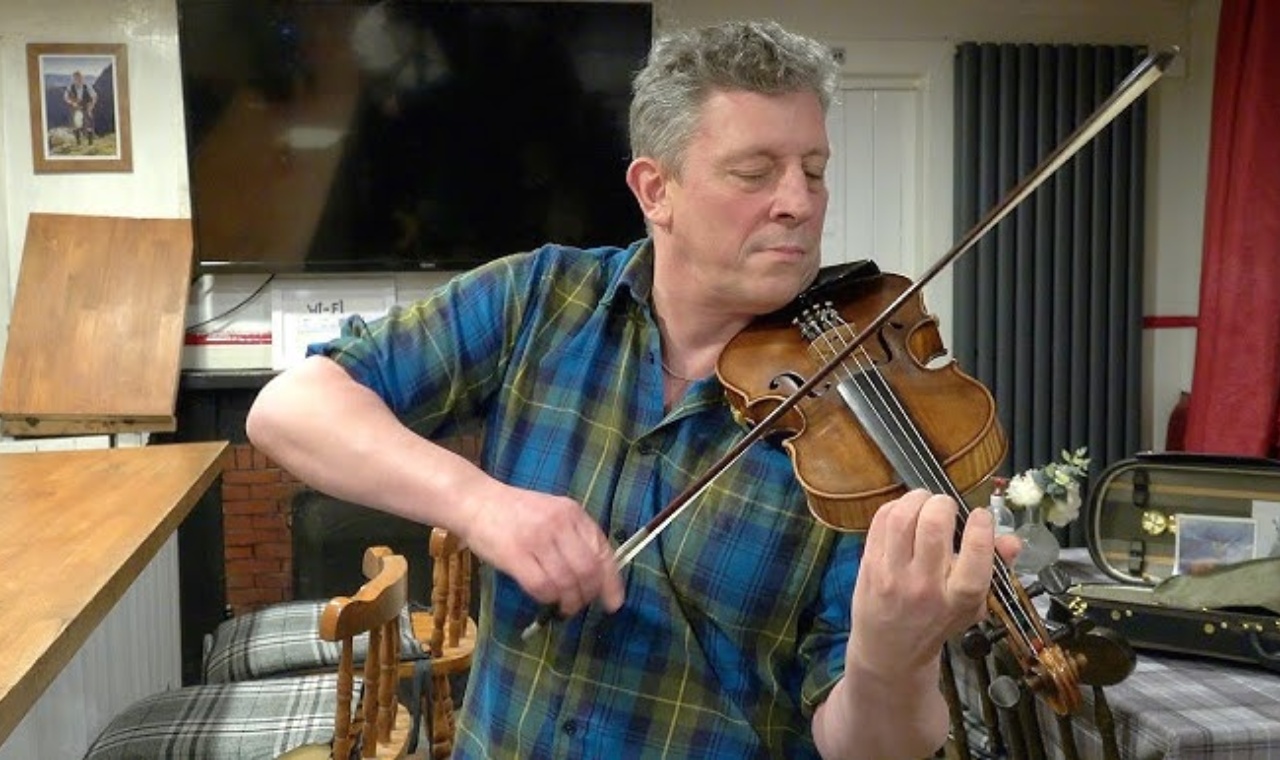
Beyond functionality, mantles symbolized community identity and continuity. They echoed the same cultural significance as other Scottish symbols like kilts (Do Irish Wear Kilts?) or traditional hats (Tam O’Shanter Hat), weaving a visual narrative of history and lineage.
Modern Relevance of Capes and Mantles
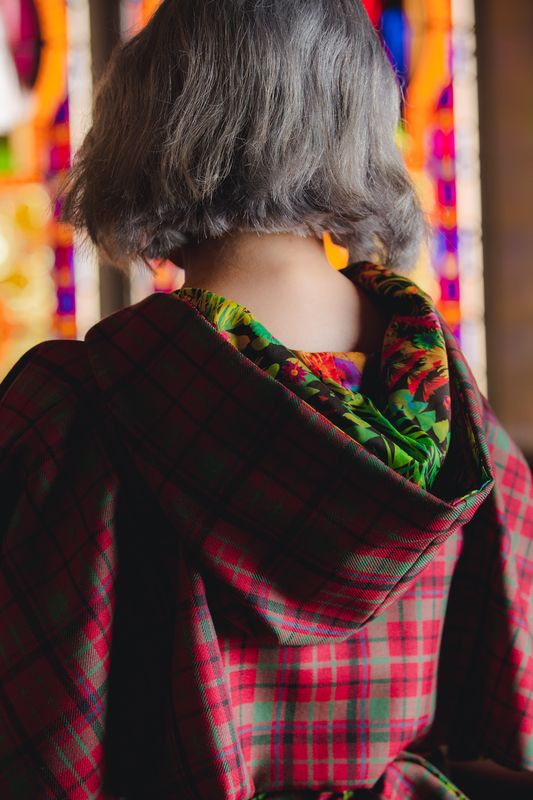
Today, Scottish mantles continue to inspire contemporary fashion, blending traditional elements with modern design. Designers incorporate tartan, wool, and handwoven fabrics into coats, capes, and scarves, paying homage to the past while appealing to modern aesthetics.
These garments also play a role in cultural tourism and heritage events, where authenticity is prized. Wearing a mantle at Highland festivals or heritage gatherings connects individuals to Scottish ancestry and artistic tradition. In this way, capes and mantles remain living symbols of heritage, bridging the gap between past and present.
Learning from Tradition
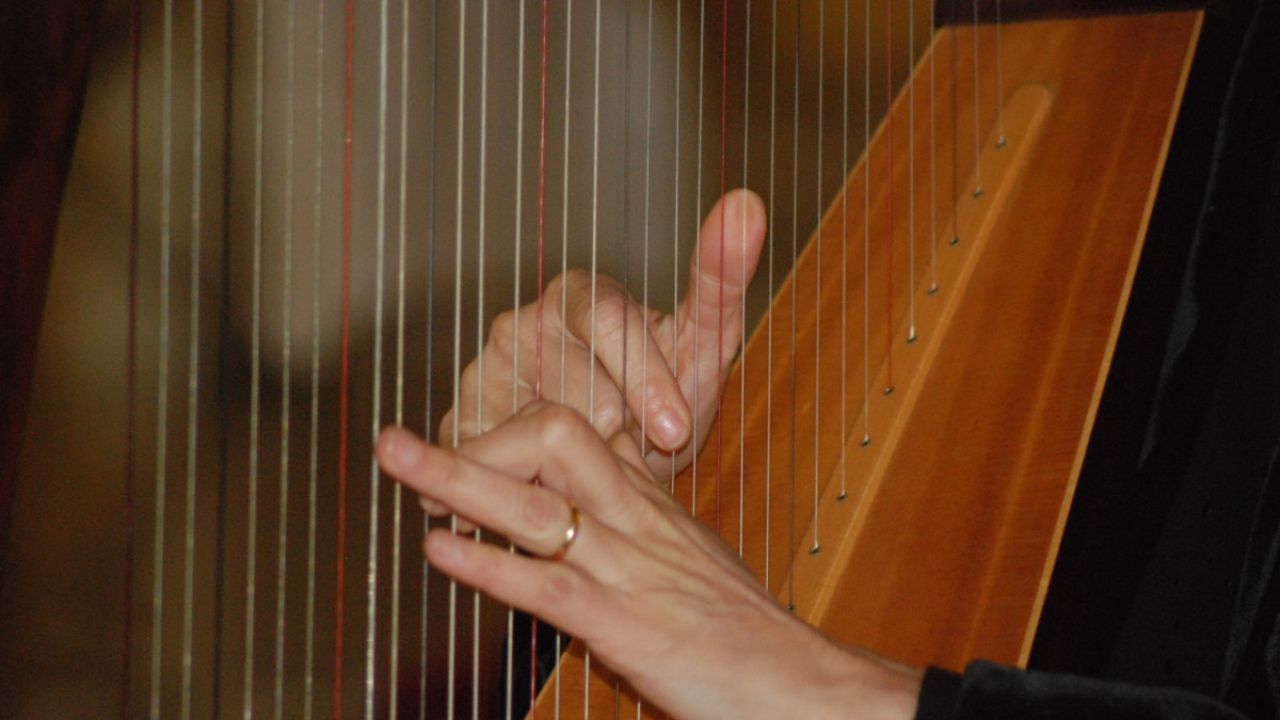
Studying Scottish capes and mantles reveals lessons in craftsmanship, symbolism, and heritage preservation. Like other traditional crafts, whether it’s the Irish harp (What Is a Clarsach?) or Celtic carvings (Celtic Stone Carvings). These garments embody skill, history, and cultural storytelling.
For enthusiasts of Scottish fashion and heritage, mantles provide a tangible link to ancestry, offering both practical warmth and aesthetic appreciation. Each fold, pattern, and weave tells a story of community, identity, and artistry.
Conclusion
Scottish capes and mantles are more than clothing, they are living cultural artifacts. They connect wearers to heritage, display craftsmanship, and celebrate the artistry of Scotland’s past. From practical Highland wear to contemporary fashion inspiration, these garments honor tradition while remaining relevant in modern times.
For further exploration of Scottish and Celtic heritage, visit our blog homepage.