
Loch Lomond Traditions: Scotland’s Living Heritage

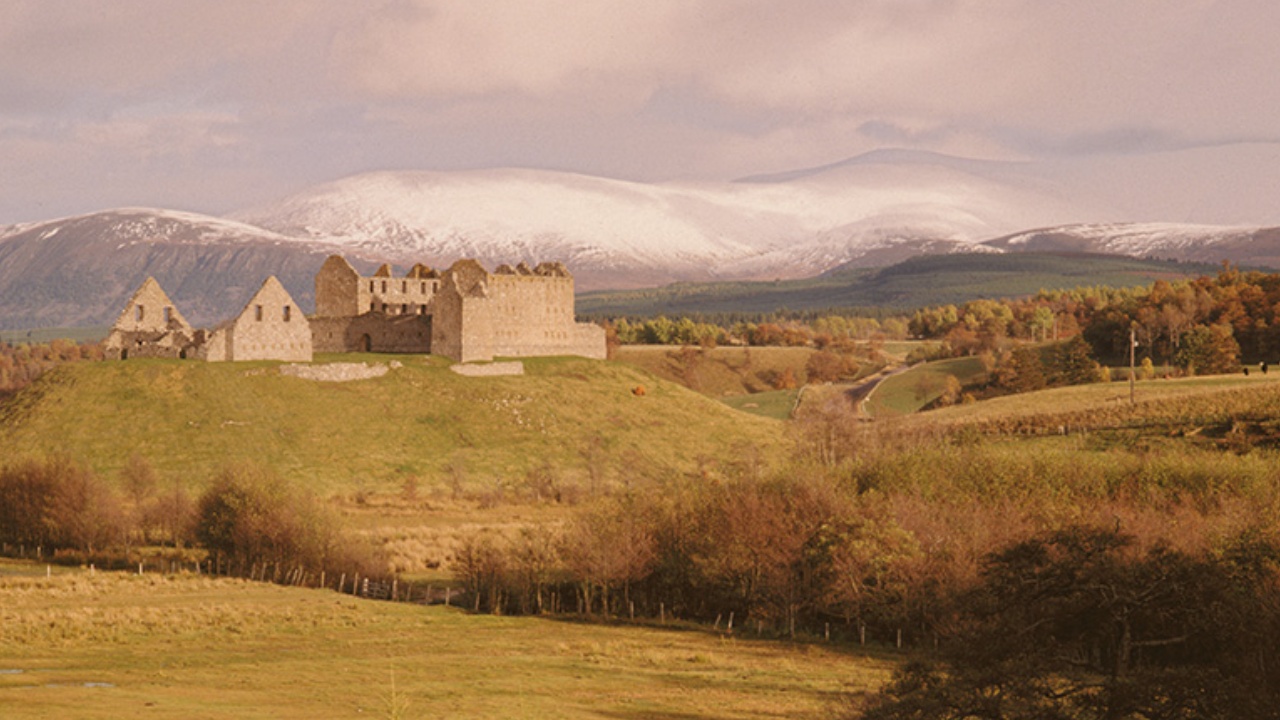
Loch Lomond isn’t just Scotland’s largest freshwater loch. It’s a living canvas where history, folklore, and tradition flow as steadily as the River Leven. Standing by its shimmering waters, you don’t just see a loch; you feel centuries of stories, songs, and clan legacies echoing in the air. From ancient Celtic rites to the timeless ballad The Bonnie Banks o’ Loch Lomond, the loch has always been more than scenery, it’s the heartbeat of Scottish identity.
The Legendary Ballad: The Bonnie Banks o’ Loch Lomond
Few songs carry the weight of emotion and national pride like Loch Lomond. Sung in gatherings, weddings, and even international sporting events, this ballad binds people to the loch’s spirit. Its bittersweet lines about love, loss, and the “high road and low road” have inspired countless renditions, from folk singers to modern performers.
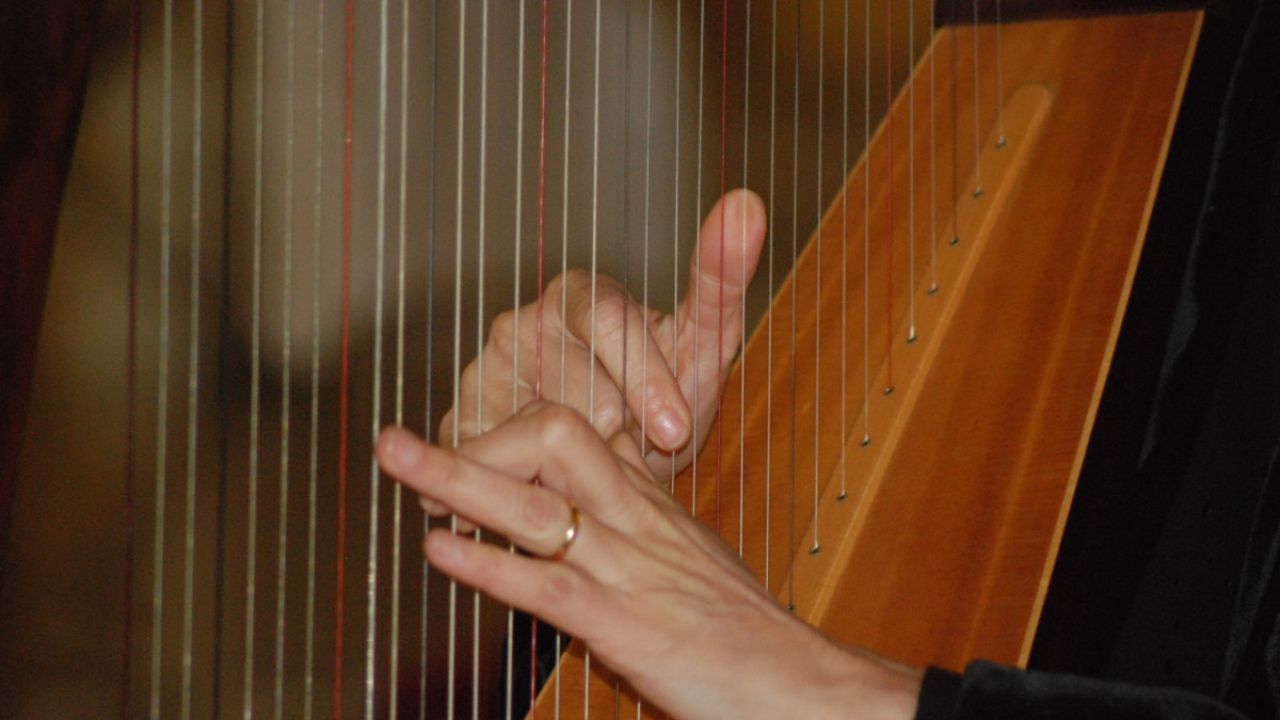
Much like the Celtic harp (Clarsach) or the bodhrán drum, the song preserves Scotland’s oral traditions. It’s not just music, it’s memory woven into melody.
Clans and Kinship at the Loch
Loch Lomond sits at a cultural crossroads where Highland and Lowland Scotland meet. For centuries, clans such as the MacGregors and Colquhouns called these lands home. Their rivalries, alliances, and customs shaped the communities around the loch.
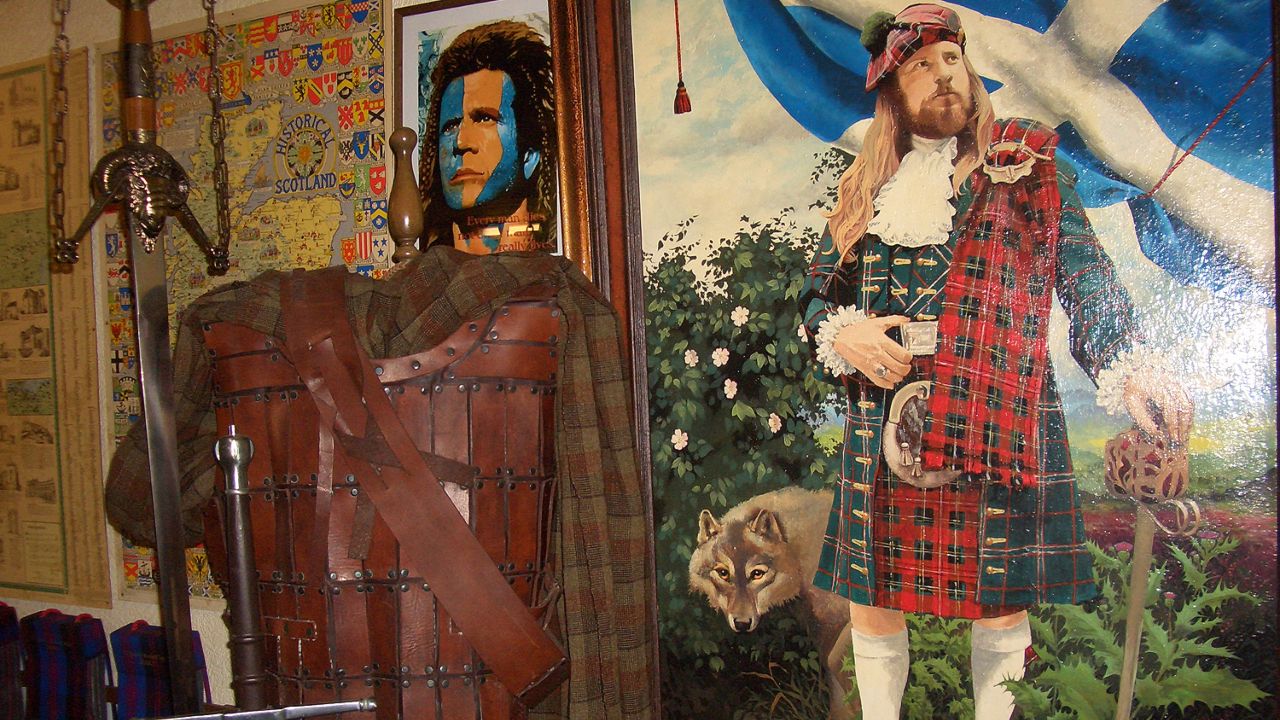
Clan tartans still wave proudly here, connecting families to their ancestors. If you’ve ever wondered about Scotland’s most iconic fabric, dive into our guide on what tartan means and its role in identity. Tartan, like Loch Lomond itself, is a living symbol of kinship and belonging.

Folklore: Myths That Drift Across the Water
Every Scottish landscape has its legends, and Loch Lomond is no exception. Locals tell stories of water spirits who protect or haunt the loch. Some tales whisper of selkies, shape-shifting seals that move between human and animal worlds. Others connect the loch to ancient Celtic gods like Lugh, whose power radiated through sunlight and harvest.
These myths don’t just entertain; they keep alive the worldview of earlier generations. Folklore gives the loch its mystery, ensuring that even in the age of smartphones, Loch Lomond feels enchanted.
Music, Dance, and Celebration
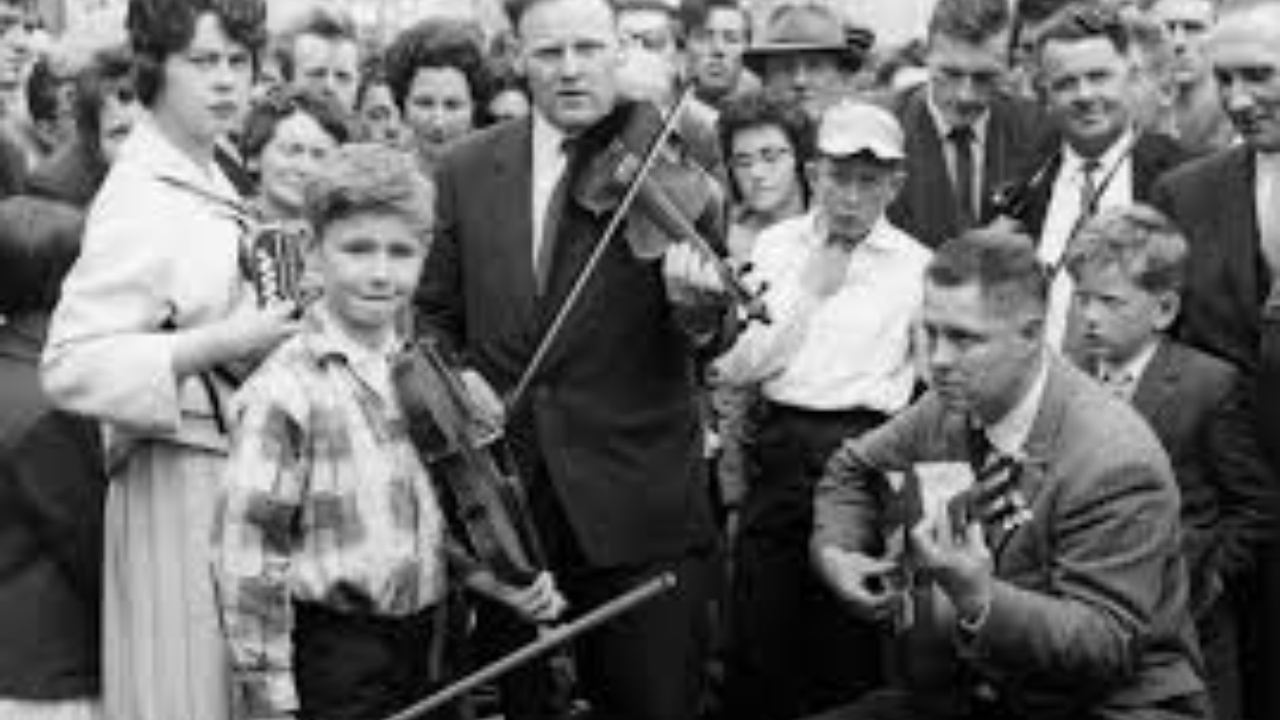
If you’ve ever attended a ceilidh on Loch Lomond’s banks, you’ll know tradition lives through music and movement. Fiddle tunes and Gaelic songs invite dancers into whirling reels, echoing celebrations that stretch back centuries. These gatherings resemble the energy of céilí bands in Ireland, where rhythm and community create unforgettable nights.
Even today, local festivals feature traditional instruments, storytelling, and Highland dress. You’ll spot kilts swaying during dances, reminding us of Scotland’s enduring relationship with its cultural attire. Curious about the role of kilts? Read our guide on how Scottish clans kept their tartan alive.
Seasonal Traditions and Nature’s Rhythm
Life at Loch Lomond always followed the seasons. Summer brought fishing, gatherings, and trading. Autumn echoed with harvest rituals and feasts under the Celtic calendar. Winter nights brimmed with storytelling by the fire, much like the Irish art of natural storytelling.
Nature itself became part of tradition. The oak groves around Loch Lomond connect to Celtic reverence for trees, just as the oak tree in Celtic culture symbolizes wisdom, strength, and continuity. The landscape wasn’t just a backdrop; it was an active participant in the traditions people lived by.

Loch Lomond Today: Living Traditions for a Global Audience
Loch Lomond remains one of Scotland’s most beloved travel destinations, celebrated in music, art, and literature. Tourists arrive for the views but leave with something deeper, a sense of belonging to Scotland’s cultural heartbeat. From ballads sung across the world to tartan worn with pride, Loch Lomond proves that traditions are not frozen in the past; they live and adapt.
For travelers keen to connect with Scotland’s cultural roots, Loch Lomond is a natural starting point. Explore nearby Highland Games, learn about tam o’shanter hats, or wander through neighboring isles like Mull. Each path branches from Loch Lomond’s central place in Scottish heritage.

Conclusion: Why Loch Lomond Matters
Tradition here isn’t dusty or locked away in museums—it’s sung, danced, worn, and lived. Loch Lomond represents Scotland’s remarkable ability to blend history with the present. It tells us that heritage isn’t about looking back; it’s about carrying stories, songs, and customs forward, keeping the loch’s spirit alive for future generations.