


Irish Christmas Traditions: The Wren Boys Explained

Ireland does not end its Christmas story on 25 December. Instead, it shifts tone. On 26 December, St Stephen’s Day, villages echo with music, laughter, and masked figures known as the Wren Boys. This custom, often called “Hunting the Wren,” remains one of the most distinctive Irish Christmas traditions.
Scholars of Celtic culture often describe it as a ritual performance. It blends folklore, seasonal symbolism, and communal theatre. Yet it also feels intimate. The Wren Boys move door to door. They sing, and gather coins. They revive memory.
Let us step into that world.
What Is the Wren Boys Tradition?
The Wren Boys tradition takes place on St Stephen’s Day, 26 December. Groups, often young men and children, dress in straw suits, colourful clothes, or painted masks. They parade through towns and rural lanes carrying a symbolic wren, once real but now usually artificial.
They sing a well-known rhyme:
“The wren, the wren, the king of all birds,
On St Stephen’s Day was caught in the furze…”
Then they collect small donations. Historically, communities used the money to fund local dances or charitable causes.
Today, the strongest celebrations occur in County Kerry, particularly in Dingle. Yet echoes of the practice survive across Ireland and the diaspora.
Why the Wren? Folklore and Symbolism
The wren holds a curious title in European folklore: “king of the birds.” A medieval tale claims the eagle flew highest, but the wren hid on its back and soared higher still. Cunning triumphed over strength.
Irish folklore layers further meaning onto the bird. Some stories link the wren to betrayal. Others cast it as sacred or prophetic. The ambiguity reflects Ireland’s mythic imagination, where nature rarely sits still.
To understand this symbolic depth, one might compare it with the mythic resonance found in figures like Lugh, explored in our guide to the Celtic sun god:
https://celtguide.com/celtic-sun-god-lugh/
Both bird and deity reveal how pre-Christian motifs linger beneath Christian festivals.
Pagan Roots Beneath a Christian Feast
St Stephen’s Day belongs to the Christian calendar. Yet many scholars argue that the Wren Boys tradition predates Christianity. Midwinter rituals across Celtic lands marked the turning of the sun and the renewal of light.
In agrarian societies, winter demanded resilience. Ritual hunts and symbolic sacrifices often expressed communal hope for survival. The wren, small yet resilient, may have embodied that fragile endurance.
This blending of pagan and Christian elements mirrors other Irish traditions. Consider the layered symbolism discussed in:
https://celtguide.com/the-significance-of-saint-patricks-day/
Ireland rarely erases its past. It absorbs it.
Music, Masks, and Mumming
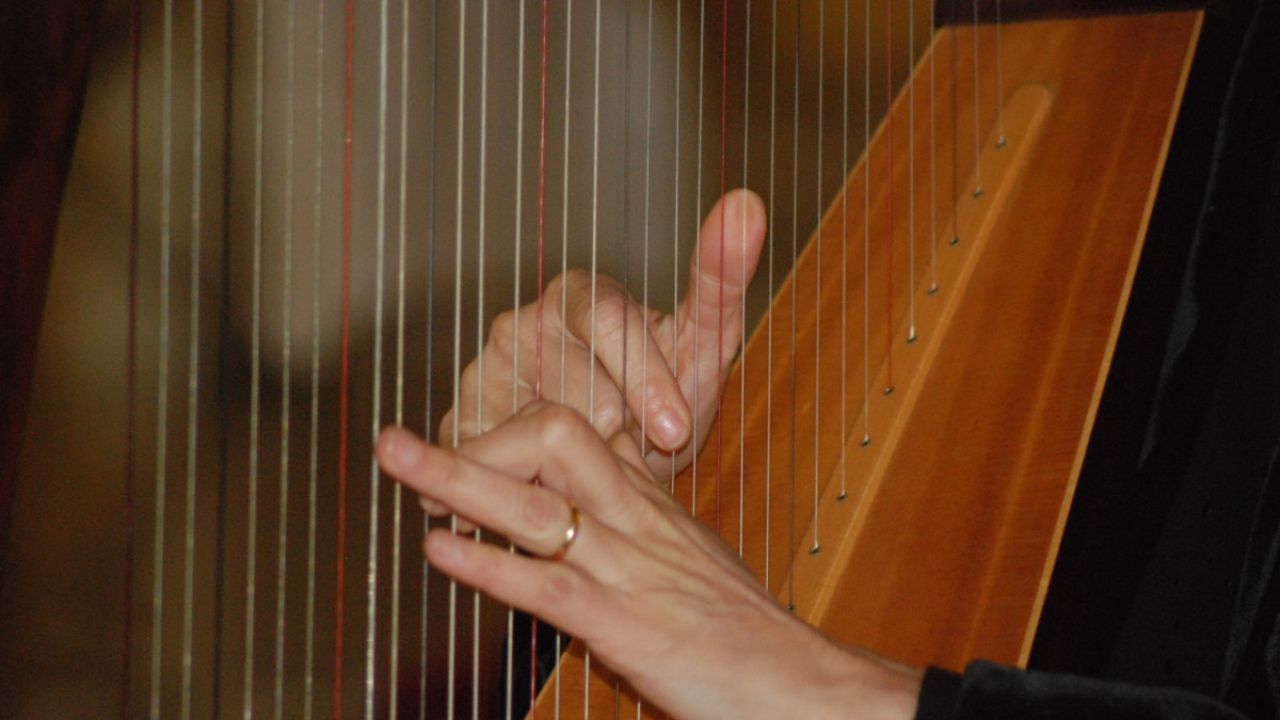
The Wren Boys do not walk in silence. Music defines the ritual. Fiddles, flutes, and especially the bodhrán create a lively rhythm. You can explore this iconic drum here:
https://celtguide.com/the-bodhran-drum/
In many regions, Wren Boys also perform short comic plays. This theatrical element connects them to the wider mumming tradition found across the British Isles.
Music strengthens communal identity. It also reflects Ireland’s enduring storytelling culture, beautifully examined in:
https://celtguide.com/why-are-irish-people-natural-storytellers/
The Wren Boys do not simply perform. They narrate Ireland to itself.

Regional Strongholds: Dingle and Beyond
While the tradition once spread widely, it now thrives most vividly in Dingle, County Kerry. The town hosts an organised Wren Day festival. Costumed groups compete for the most creative performance. Crowds fill the streets.
Elsewhere, smaller villages maintain quieter versions. These gatherings retain a local texture. They often raise funds for community projects.
Such resilience recalls the cultural continuity visible at ancient sites like the Hill of Tara, long regarded as a symbolic heart of Irish kingship. You can read more here:
https://celtguide.com/hill-of-tara/
Tradition survives where communities invest meaning into place.
The Wren Boys and Irish Identity
The Wren Boys embody several key features of Irish identity:

- Communal participation
- Oral storytelling
- Musical expression
- Symbolic performance
- Seasonal awareness
The ritual also mirrors the spirit found in other communal traditions, such as Irish wakes:
https://celtguide.com/heartbeat-of-farewell-irish-wake-traditions-through-a-celtic-lens/
Both practices transform gathering into cultural affirmation.
Even objects of everyday symbolism, like the Claddagh ring, carry similar themes of loyalty and belonging. Explore its meaning here:
https://celtguide.com/claddagh-ring-meaning-history-and-symbolism/
In each case, tradition binds community.
Is the Tradition Still Alive?
Yes, but it has evolved.
Modern celebrations avoid harming wildlife. The wren appears symbolically. Costumes grow more elaborate. Tourism plays a role, especially in Kerry. Yet local participation remains strong.
Young musicians learn traditional tunes. Families gather along the streets. The day becomes both performance and inheritance.
If you wish to explore more Celtic traditions and seasonal customs, visit our main blog hub:
https://celtguide.com/blog/
FAQs
What are the Wren Boys in Ireland?
The Wren Boys are groups who dress in costumes and parade on St Stephen’s Day, singing and collecting donations as part of an old Irish Christmas tradition.
Why do the Irish celebrate the Wren on 26 December?
The celebration blends Christian observance of St Stephen’s Day with older Celtic midwinter rituals linked to renewal and symbolism.
Is the wren really hunted today?
No. Modern celebrations use a symbolic bird. Communities now focus on music, culture, and charity.
Where can you see the Wren Boys today?
Dingle in County Kerry hosts the most vibrant public celebration, though smaller events occur across Ireland.
Final Reflections
The Wren Boys tradition resists simplification. It feels playful yet solemn, appears Christian yet carries pagan echoes, and invites spectacle yet preserves intimacy.
In that tension lies its power.
Ireland does not treat tradition as museum artefact. It animates it. The Wren Boys still walk the roads on St Stephen’s Day. They knock on doors. They sing of a tiny bird crowned king.
And in doing so, they remind Ireland and the wider Celtic world, that culture lives through participation.