The Irish Blessing and Well-Wishing Culture
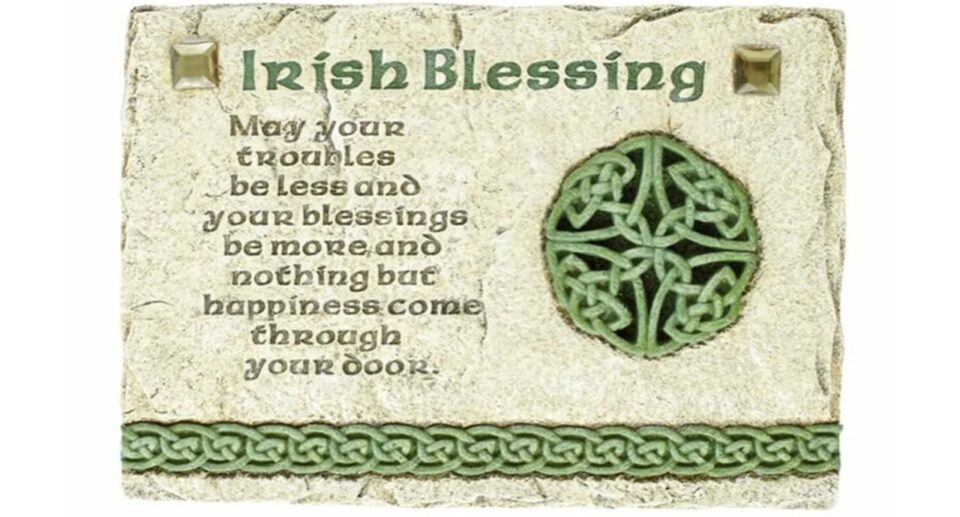
Irish blessings form one of the most cherished traditions in Celtic culture. Warm, poetic, and full of hope, they reflect the Irish habit of speaking from the heart. These blessings appear at weddings, journeys, farewells, and even the smallest everyday moments. They carry wisdom, humor, and gentle encouragement, values rooted deeply in Ireland’s storytelling heritage.
To understand why this tradition feels so natural in Ireland, it helps to explore the country’s strong narrative culture. Our article on why Irish people are natural storytellers dives deeper into that background.
Origins of the Irish Blessing Tradition
Irish blessings draw from a blend of Christian devotion, ancient Celtic spirituality, and the daily experiences of rural life. Many blessings call upon nature: wind, rain, sun, and the open road, to offer protection and prosperity. This reflects the Celtic worldview, where the natural world and human life intertwine.
Even after Christianity became widespread in Ireland, older Celtic imagery stayed within the language. This merging of traditions shaped many well-known blessings, making them spiritual but also deeply rooted in the land.
Connections between nature and sacred places also appear in traditions like Ireland’s Holy Wells, where people still visit for healing and spiritual renewal.
The Tone of Irish Blessings: Warm, Poetic, Human
Irish blessings stand out because they use simple yet meaningful language. Their tone feels warm but never heavy. Most blessings flow like short poems, using rhythm and imagery that stay in memory long after they’re spoken.
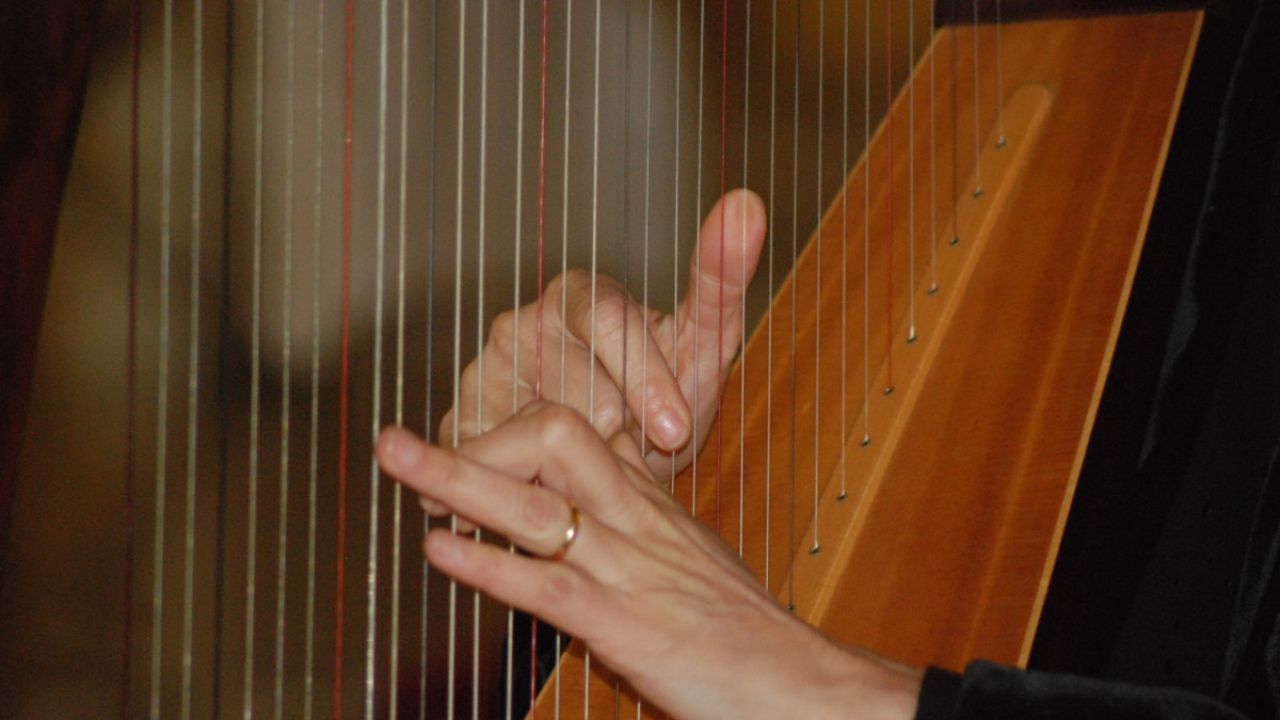
This poetic nature links strongly to Irish music as well. The gentle rise and fall of a blessing echoes the sound of the Clarsach, the Celtic harp, one of Ireland’s oldest instruments. Both traditions rely on beauty, cadence, and emotional clarity.

Different Types of Irish Blessings
Irish blessings fall into a few broad categories. Each one serves a social purpose and reveals something about Irish values:
1. Blessings for Journeys
Travel once held risk, so blessings wished for safe paths and helpful winds.
These journey blessings still appear at graduations or major life transitions.
2. Blessings for Loved Ones
Many blessings focus on family and kinship.
They offer hope for good health, peace, and happiness.
3. Blessings for Everyday Life
Even simple tasks like lighting a fire or beginning a day could start with a small blessing.
This shows how spirituality blended seamlessly with daily routines.
4. Blessings at Weddings and Gatherings
Irish marriage blessings often highlight unity, resilience, and shared joy.
They create a sense of community, something also visible in traditions like céilí bands that bring people together through dance and music.
5. Blessings in Proverbs
Some blessings overlap with proverbs. Irish wisdom sayings preserve humour, caution, and advice. You can explore more in our article on Gaelic proverbs.
The Blessing as a Social Bond
Irish well-wishing culture strengthens social ties. A blessing acknowledges presence, expresses care, and marks important moments. It creates emotional connection through spoken language. This makes sense in a society where oral tradition has shaped identity for centuries.
Irish blessings also reflect a certain kindness—one that meets hardship with humour, hope, and resilience. You can sense this balance of light and shadow in our article on the Irish Potato Famine’s cultural influence, where hardship shaped creativity rather than suppressing it.

Irish Well-Wishing in Modern Life
Even today, Irish blessings appear in greeting cards, gatherings, online posts, and family traditions. People use them because they feel genuine and comforting. Their strength lies in their openness, they speak to people of any belief system, age, or background.
Irish communities abroad keep the tradition alive too. Blessings help maintain cultural identity and create a sense of home, especially during celebrations like Saint Patrick’s Day.
Famous Irish Blessing Example
One of the most iconic blessings reads:
“May the road rise to meet you,
May the wind be always at your back.”
Its imagery reflects movement, hope, and companionship, three values woven throughout Irish culture.
Why the Tradition Still Matters
Irish blessings thrive because they carry emotional meaning. They offer warmth in moments of uncertainty and bring clarity when someone begins a new chapter. Most of all, they remind us that words have the power to uplift, guide, and connect.
For more journeys into Irish culture, stories, and Celtic tradition, explore our full blog archive or our Culture & Tradition category.