Gaelic Psalm Singing: Scotland’s Sacred Musical Tradition
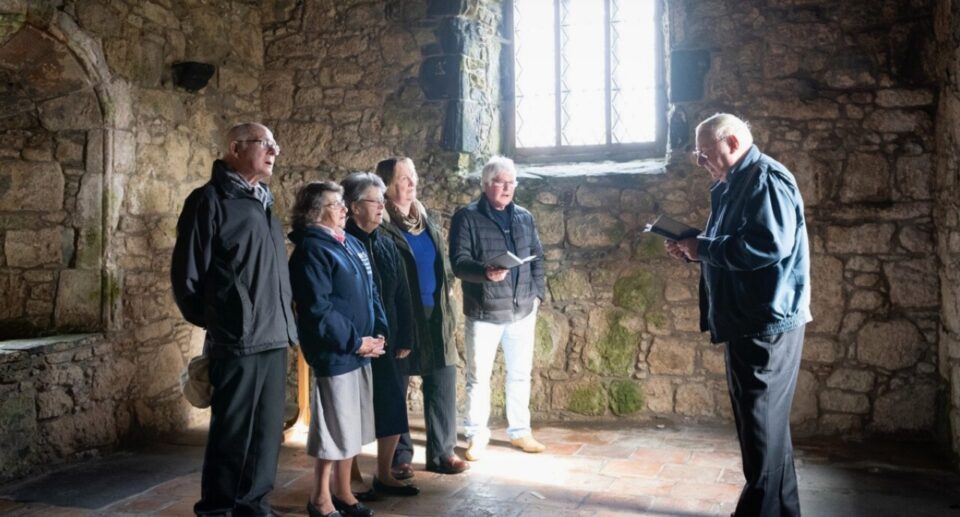
Across the windswept islands of Scotland’s Hebrides, a unique sound rises from small stone churches. It begins with a single voice. Then another joins, followed by many more. The melody flows slowly, almost like waves across the sea. This tradition is known as Gaelic Psalm Singing, one of the most distinctive forms of sacred music in the Celtic world.
Unlike modern church choirs, Gaelic psalm singing depends on community participation. Every voice matters. The result is a deeply emotional form of worship that connects language, faith, and heritage.
What Is Gaelic Psalm Singing?
Gaelic Psalm Singing is a style of congregational worship practiced primarily in the Scottish Highlands and Western Isles. Worshippers sing psalms in Scottish Gaelic, using a method called “lining out.”
In this system, a precentor sings or chants a line of a psalm first. The congregation then repeats the line together. Each person follows the melody in their own way. Some voices stretch the notes. Others move faster or slower.
The result creates a powerful layered sound that feels both spontaneous and ancient.
This practice remains central to worship in Presbyterian churches across the Hebrides, particularly on the Isle of Lewis and Harris.
Historical Roots of the Tradition
The origins of Gaelic psalm singing lie in the 16th-century Reformation. Protestant reformers encouraged congregational singing instead of elaborate church music. However, most Highland communities had limited access to printed books and formal musical training.
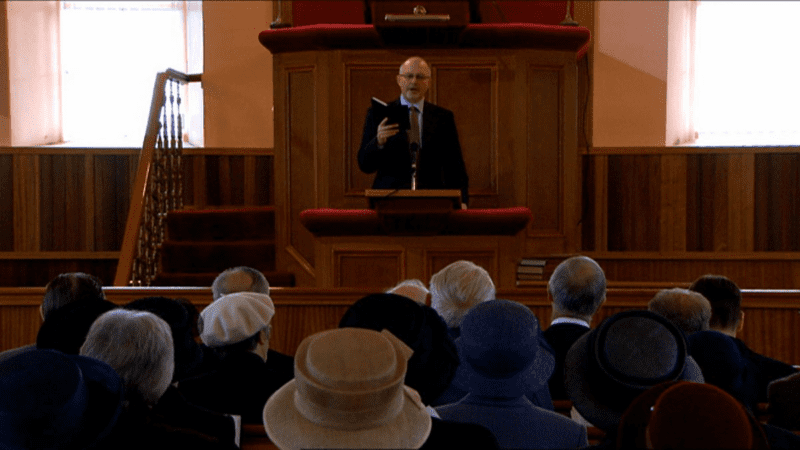
To solve this problem, ministers introduced the lining-out method. The precentor would read or sing each line aloud. The congregation would then repeat it.
Over time, Gaelic speakers adapted the melodies to their own musical instincts. The result became a slow, ornamented, and deeply expressive singing style.
The development of Gaelic Bible translations also strengthened the tradition. You can explore this further in the guide to
https://celtguide.com/scottish-gaelic-bible-translations/
Why the Music Sounds So Unique
Many listeners describe Gaelic psalm singing as haunting or meditative. Several elements create this distinctive sound:
Free Rhythm
The singing does not follow strict musical timing. Worshippers stretch phrases naturally. The rhythm flows with the emotion of the text.
Layered Voices
Each singer ornaments the melody differently. This creates a shimmering effect as voices overlap.
Call and Response
The precentor leads each verse. The congregation answers. This pattern strengthens the communal spirit of worship.
The sound carries remarkable depth. Some ethnomusicologists compare it to early forms of sacred chant.
A Living Part of Gaelic Culture
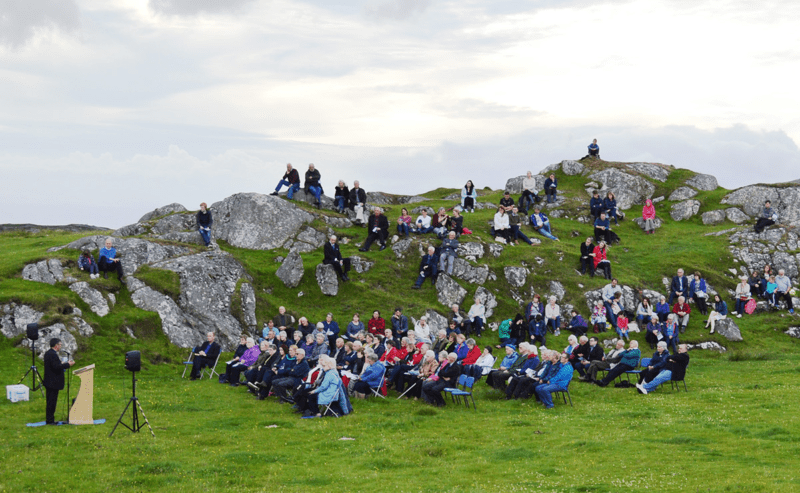
Gaelic psalm singing continues to thrive today. Churches in the Outer Hebrides, particularly in Stornoway and nearby villages, still practice it weekly.
Many families treat the tradition as part of their cultural inheritance. Children grow up hearing psalms at church, at home, and during community gatherings.
This strong link between language and tradition also appears in other aspects of Gaelic culture. For example, oral traditions remain powerful in Celtic storytelling. You can see this cultural emphasis in
https://celtguide.com/why-are-irish-people-natural-storytellers/
Similarly, Gaelic wisdom survives through sayings and traditional expressions explored in
https://celtguide.com/gaelic-irish-proverbs/
Together, these traditions show how deeply language shapes Celtic identity.
Connections to Other Celtic Musical Traditions
Although Gaelic psalm singing stands apart from instrumental music, it shares cultural roots with other Celtic musical forms.
Traditional instruments like the bodhrán drum and the Celtic harp once accompanied communal gatherings across Ireland and Scotland. Learn more about these traditions in:
- https://celtguide.com/the-bodhran-drum/
- https://celtguide.com/what-is-a-clarsach-a-comprehensive-guide-to-the-celtic-harp/
Unlike lively dance music or ceilí bands, however, psalm singing remains reflective and devotional. Its purpose centers on worship rather than entertainment.
Why the Tradition Still Matters
Gaelic psalm singing offers more than music. It preserves a living connection to the past.
In an era where many minority languages struggle to survive, traditions like this keep Gaelic active in daily life. Worshippers do not simply read the language. They sing it together.
This shared experience strengthens community bonds. It also reminds listeners that culture lives not only in books or museums but in voices carried across generations.
Visitors to the Hebrides often describe hearing Gaelic psalms for the first time as unforgettable. The sound feels timeless, echoing centuries of faith, resilience, and cultural identity.