Celtic Spiral Jewelry: Meaning, History, and Symbolism

When you see Celtic spiral jewelry, you notice something immediately. The design feels ancient, almost like it remembers something older than words.
As a historian, I often remind students that the Celts preferred symbols over writing. Spirals spoke when language felt limited. They carried meaning through stone, metal, and memory and today, through rings, pendants, and bracelets.
Celtic spiral jewelry connects us to that living conversation.
To understand this deeper tradition, it helps to see how the Celts told stories in art. You can explore that further in our guide on Celtic stone carvings (https://celtguide.com/celtic-stone-carvings/). Those carvings laid the foundation for the spiral designs we wear today.
Where Did the Celtic Spiral Come From?
Archaeologists trace Celtic spiral motifs back thousands of years. We find them carved into stones, painted on pottery, and woven into textiles. Some of the earliest examples appear in prehistoric sites across Ireland, Scotland, and Wales.
Spirals appear again in jewelry during the Iron Age, often in bronze, silver, and gold. They symbolized movement, power, and life cycles. They also reflected the Celtic habit of seeing nature, myth, and everyday life as intertwined.
This worldview echoes in many Celtic traditions explored across our articles, including music, myth, and storytelling, such as why Irish people remain natural storytellers (https://celtguide.com/why-are-irish-people-natural-storytellers/).
What Does Celtic Spiral Jewelry Symbolize?
Celtic spirals carry layered meanings. They shift gently depending on context but several themes repeat across time.
1. Life and Growth
Single spirals often represent the natural flow of life: birth, growth, and renewal. They mirror water currents, wind patterns, and unfurling plants.
2. Spiritual Journey
Many spirals turn inward and outward at once. They invite reflection, but they also encourage forward motion, a reminder that wisdom grows through experience.
3. Connection with Nature
The Celts did not divide the sacred from the natural world. Spirals echo the sun, the ocean, and the cycles of seasons, ideas that also appear in myths like the Celtic sun god Lugh (https://celtguide.com/celtic-sun-god-lugh/).
4. Balance and Harmony
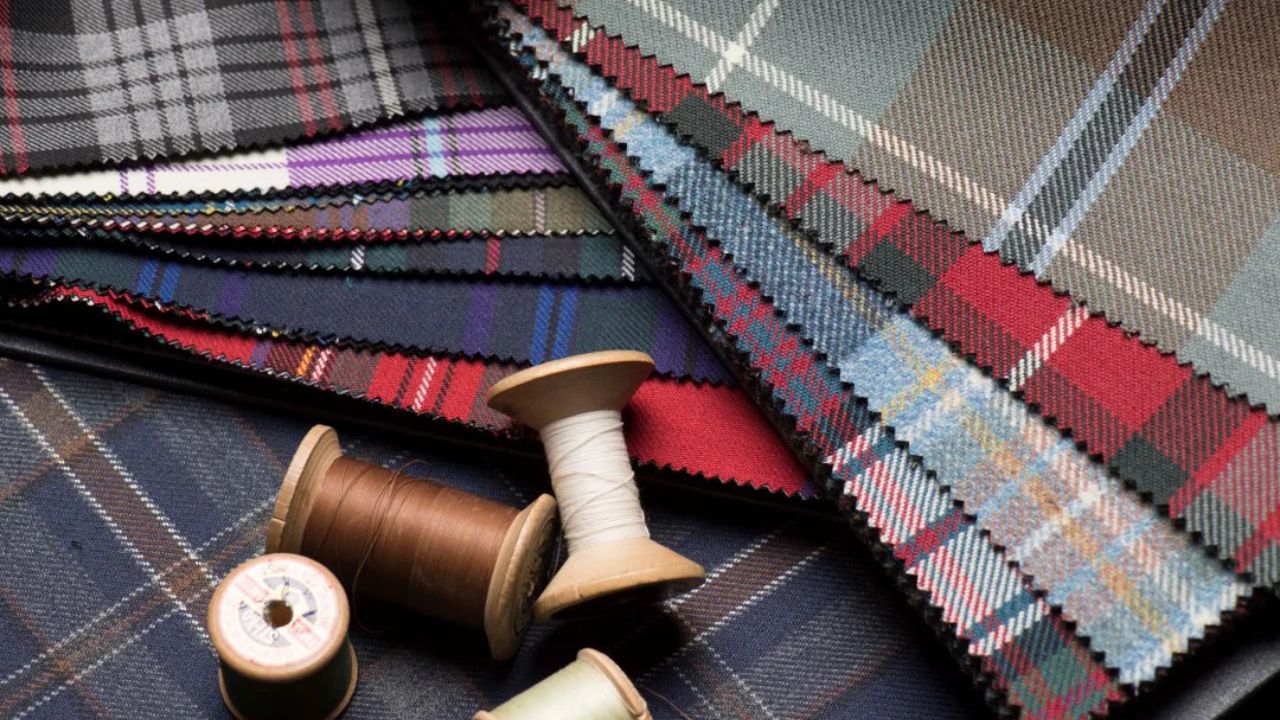
The rhythm of the spiral feels balanced and fluid. It teaches proportion, just as tartan patterns teach order and beauty in cloth, explored in our guide on what tartan is (https://celtguide.com/what-is-tartan/).

The Triskelion: Three Spirals, One Meaning
One of the most recognizable designs is the triskelion, three spirals radiating from a center point. Scholars interpret it in several ways:
- earth, water, and sky
- past, present, and future
- body, mind, and spirit
The symbol expresses motion. It suggests that life moves forward, yet always stays rooted in history. That sense of continuity shapes many Celtic traditions, from music to ritual to fashion.

Materials and Craftsmanship in Celtic Spiral Jewelry
Traditional Celtic spiral jewelry often uses:
- bronze
- sterling silver
- gold
- pewter
Craftspeople engrave designs by hand or cast them using ancient techniques. Many pieces resemble early artifacts preserved in museums, while others blend tradition with contemporary style.
This respect for heritage reflects the same fascination that draws people to historical garments, landscapes, and legends such as the magic of the Fairy Glen (https://celtguide.com/legend-of-the-fairy-glen/).

Why People Still Wear Celtic Spiral Jewelry Today
People choose Celtic spiral jewelry for different reasons:
- It honors ancestry.
- It feels spiritual or grounding.
- It adds meaning to everyday fashion.
- It connects personal identity with cultural memory.
Spirals invite conversation. Someone may notice your pendant, ask what it means, and suddenly you are sharing centuries of history in a single moment.
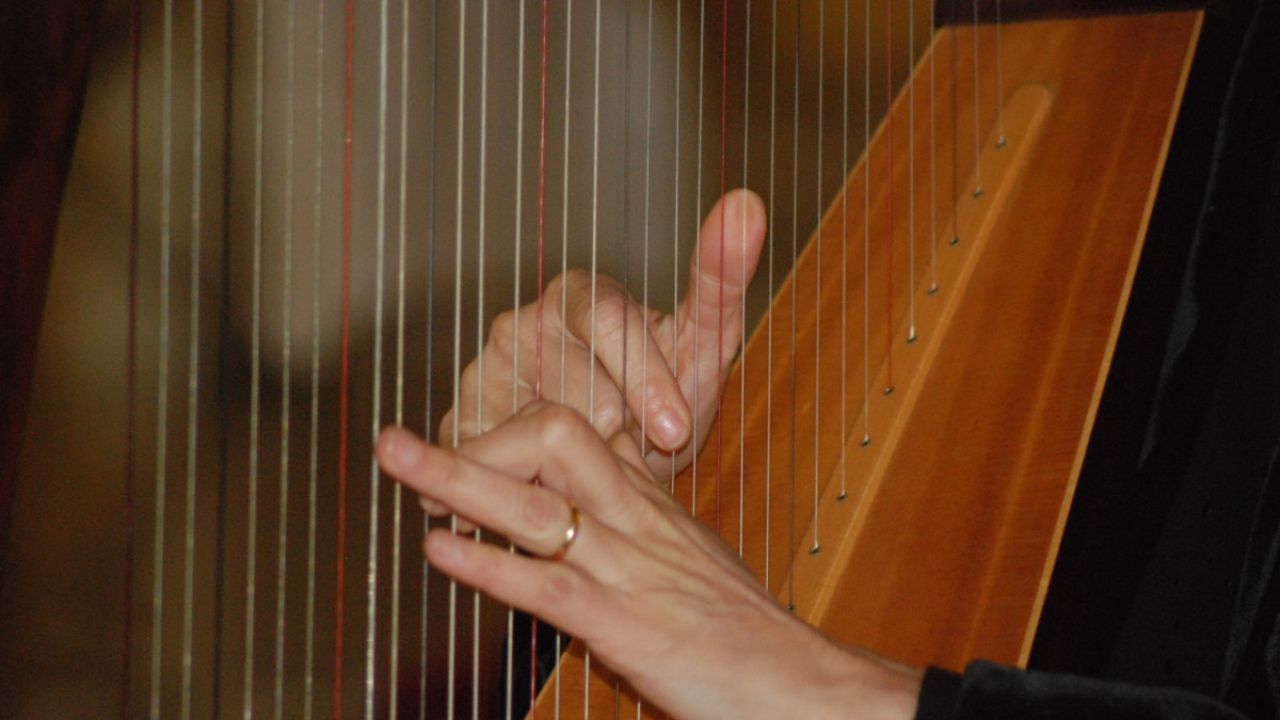
This is not far from how music and storytelling preserve culture, as seen with ceili bands (https://celtguide.com/ceili-bands/) and traditional instruments like the clarsach harp (https://celtguide.com/what-is-a-clarsach-a-comprehensive-guide-to-the-celtic-harp/).
How to Style Celtic Spiral Jewelry
Celtic spiral jewelry fits well with both modern and traditional outfits. You can wear it:
- layered with simple chains
- paired with natural fabrics
- as a statement ring or pendant
- with dress attire or casual wear
It works quietly. It never shouts. Yet it always carries depth.
If you love exploring cultural style elements, our discussion of Scottish tartan shawls (https://celtguide.com/scottish-tartan-shawls-a-timeless-blend-of-heritage-and-elegance/) offers a beautiful complement.

Final Thoughts: A Symbol That Keeps Moving
Celtic spiral jewelry is not just decoration. It reflects a philosophy rooted in motion, resilience, and connection.
When you wear it, you join a lineage that stretches across centuries, a lineage that honors nature, ancestry, and thoughtful craftsmanship.
To continue exploring Celtic culture, you can browse our full blog collection here:
https://celtguide.com/blog/
You’ll find history, myth, travel, music, and the living heritage that shapes Celtic identity today.